
Socrates remains one of the most influential philosophers in Western history. Although he left no writings of his own, his ideas live on through the accounts of his students, especially Plato and Xenophon. His approach to philosophy centered on asking questions, examining beliefs, and recognizing the limits of what we know. By reflecting on Socrates quotes, these ideas continue to inspire people who want to think more clearly, live thoughtfully, and understand themselves better.
These Socrates quotes and philosophical reflections explore wisdom, truth, education, virtue, and the meaning of a well lived life. Some are widely associated with Socrates, while others are familiar paraphrases or modern summaries of ideas found in ancient philosophical writings. Because many popular sayings attributed to him have uncertain origins, it’s useful to distinguish verified passages from simplified versions shared online. For creative ways to present meaningful words through typography, explore the work of Craft Supply Co.

Socrates Quotes About Wisdom and Knowledge
“The only true wisdom is in knowing you know nothing.”
“I cannot teach anybody anything, I can only make them think.”
“Wonder is the beginning of wisdom.”
“To know what you know and what you do not know, that is true knowledge.”
“The beginning of wisdom is the willingness to question your assumptions.”
Life and Self Reflection
“The unexamined life is not worth living.”
“Be as you wish to seem.”
“He who is not contented with what he has would not be contented with what he would like to have.”
“A life of reflection is a life of direction.”
“Know yourself, and you will begin to understand your choices.”
Truth and Asking Questions
“Strong minds discuss ideas, average minds discuss events, weak minds discuss people.”
“An unchallenged belief may be an unexamined mistake.”
“The question is often more important than the answer.”
“Honesty begins when we stop pretending to know what we do not know.”
“Seek understanding before you seek agreement.”
Virtue, Character, and Morality
“The way to gain a good reputation is to endeavor to be what you desire to appear.”
“Be slow to fall into friendship, but when you are in, continue firm and constant.”
“It is better to suffer an injustice than to commit one.”
“The greatest way to live with honor is to be what we pretend to be.”
“Character is revealed by the choices we make when no one is watching.”
Education and Personal Growth
“Education is the kindling of a flame, not the filling of a vessel.”
“I know that I am intelligent because I know that I know nothing.”
“The secret of change is to focus all your energy not on fighting the old, but on building the new.”
“Every new question is an invitation to grow.”
“Learning begins when certainty makes room for curiosity.”
How to Apply Socrates’ Philosophy to Everyday Life
The ideas associated with Socrates remain relevant because they can be applied to ordinary decisions, conversations, and relationships. You do not need to study philosophy professionally to benefit from a more reflective approach to life.
- Question your assumptions: When you feel certain about something, ask what evidence supports your belief and whether another explanation might be possible.
- Practice intellectual humility: Admit when you do not know an answer. Treat uncertainty as an opportunity to learn instead of something to hide.
- Reflect on your choices: At the end of the day, consider whether your actions reflected your values and what you might do differently tomorrow.
- Listen before responding: Ask questions to understand another person’s point of view rather than preparing your reply while they speak.
- Prioritize character: Consider whether a decision is fair and honest, not merely whether it is convenient or likely to earn approval.
- Keep learning: Read widely, explore unfamiliar ideas, and remain willing to revise your opinions when you encounter convincing evidence.
These habits turn philosophy into a practical exercise. Rather than memorizing quotations, use them as prompts to examine your own beliefs and behavior.
Font Alternatives for Socrates Quotes and Philosophy Designs
Classic typography can help communicate the thoughtful, timeless quality of Socratic philosophy. Serif fonts often work well for educational posters, book inspired graphics, quote cards, and editorial layouts. Choose a style that complements the quote and keeps the text readable. Here are ten font alternatives for Socrates quotes to explore for your next philosophical design.
1. CS Alpha Classic Serif Font

CS Alpha Classic Serif Font is a fitting option for designs that need a traditional, literary atmosphere. Consider it for quotations about wisdom, truth, and self reflection. Use it in a centered composition with generous margins to create a calm, book inspired aesthetic.
2. CS Bifore Classic Serif Font

CS Bifore Classic Serif Font can bring a classic typographic direction to philosophy themed graphics. It may suit quote posters, reading journals, and educational materials where the design should feel considered rather than trendy. Pair it with a restrained supporting typeface for small captions or attribution notes.
3. CS Marius Classic Font
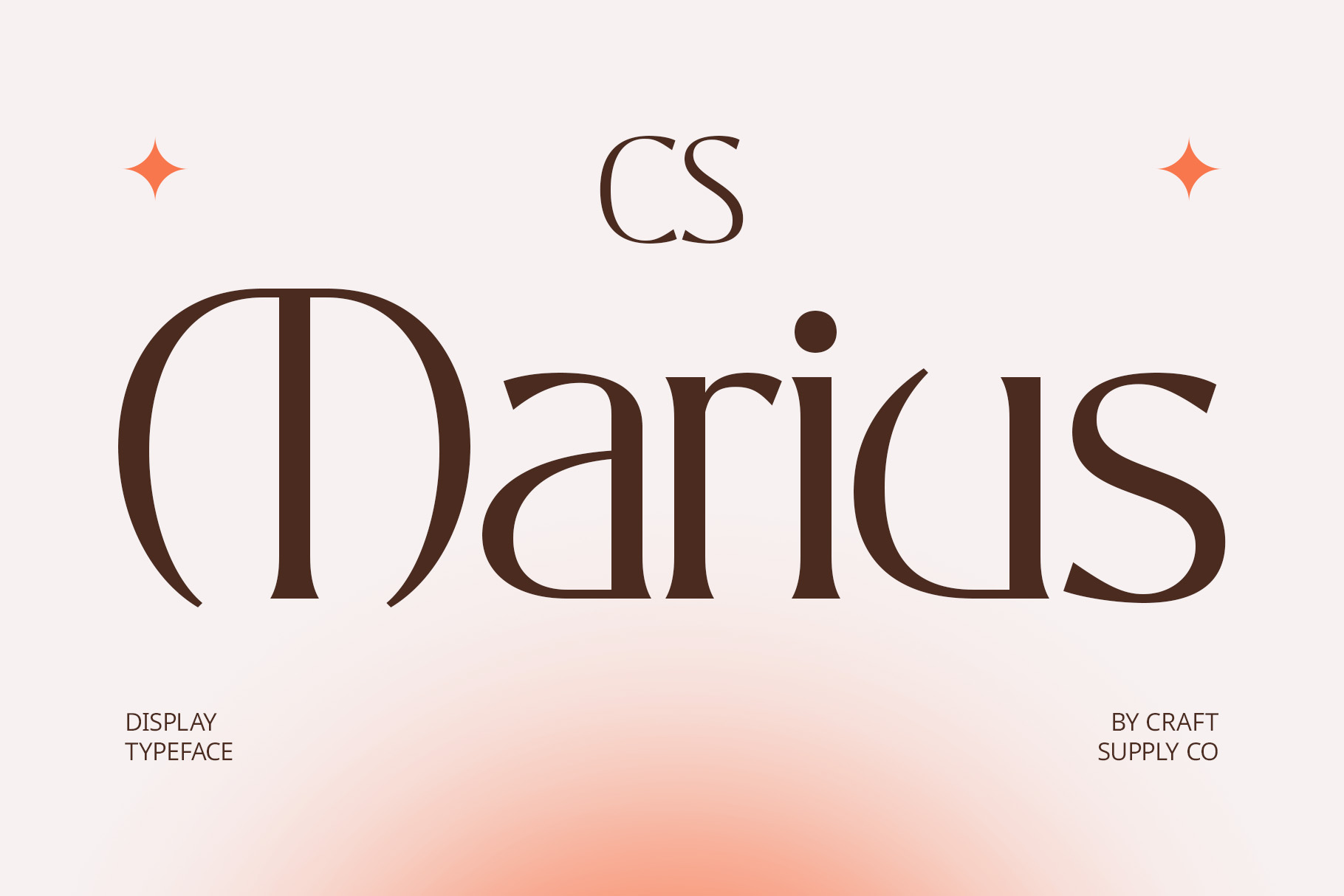
CS Marius Classic Font is worth exploring for layouts inspired by books, historical texts, and traditional editorial design. Use it for reflective quotations about life and virtue, especially when you want the typography to reinforce a scholarly mood.
4. CS Asbury Classic Font

CS Asbury Classic Font can work well in elegant quote layouts and designs that emphasize timeless ideas. Consider using it for a series of philosophy cards or a classroom poster collection. Keep the surrounding elements simple so the words remain the central focus.
5. CS Apoline Classic Font
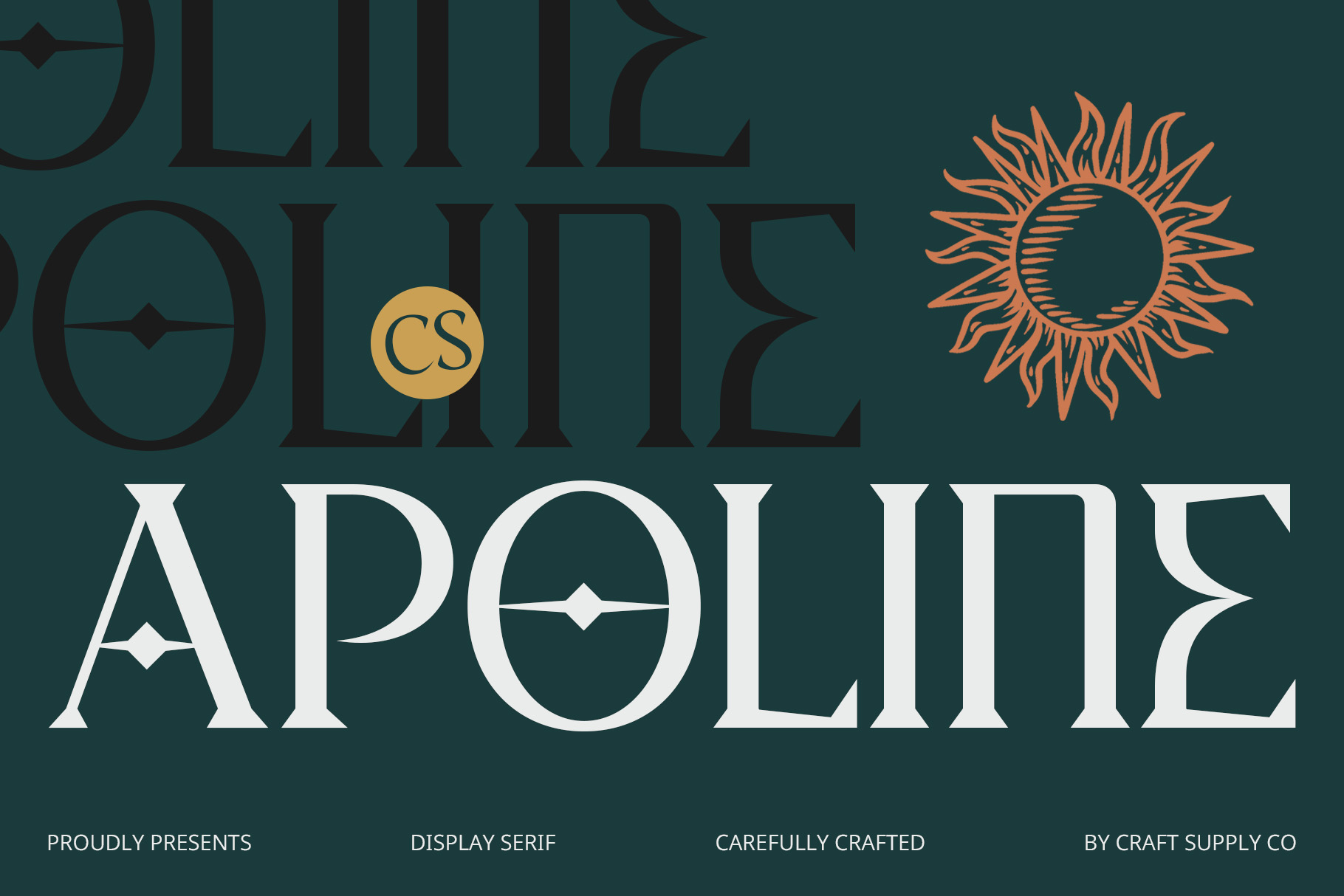
CS Apoline Classic Font offers another direction for designs that need a refined, traditional character. It can complement thoughtful quotations about knowledge, education, and personal growth. Test the font at the final display size to ensure longer quotes remain comfortable to read.
6. CS Smash Classic Font

CS Smash Classic Font is an alternative to consider when you want a classic foundation with a more distinctive visual presence. Try it for bold quote graphics, presentation covers, or editorial headings that introduce a discussion of ancient philosophy.
7. CS Monalisa Classic Font

CS Monalisa Classic Font can be explored for graceful quote cards and reflective visual projects. It may suit designs centered on self knowledge, virtue, and the examined life. Pair it with a neutral background and subtle accents to create a balanced composition.
8. CS Ariela Classic Font

CS Ariela Classic Font is another option for bringing a classic typographic feel to philosophical content. Use it in journal covers, literary inspired social posts, or quote collections that aim for an elegant and thoughtful appearance.
9. Romildo Classic Serif Elegance

Romildo Classic Serif Elegance can be a strong candidate for designs that call for a polished serif style. Consider it for larger quotations, book cover concepts, or editorial graphics about wisdom and ancient thinkers. A carefully selected line length and ample spacing can help the design feel sophisticated and readable.
10. CS Wilder Blackletter Font

For a more dramatic approach, CS Wilder Blackletter Font offers a different direction from conventional serif typography. Explore it for statement graphics, historical inspired artwork, or bold philosophical posters. Since blackletter styles can be harder to read in long passages, reserve it for short headlines or selected words and use a simpler font for the main quote.
Choose a reflection that resonates with you and use it as a starting point for deeper thought. Whether you share it in a journal, a classroom, or a thoughtfully designed quote graphic, the most meaningful philosophy is the kind that helps you examine and improve your everyday life. For more type inspiration and creative design ideas, visit Craft Supply Co and explore approaches that bring classic philosophy into contemporary visual work.