
Starting a software house is an exciting opportunity to turn technical expertise and innovative ideas into a growing business. Whether you plan to develop websites, build mobile applications, create enterprise software, provide IT consulting, or design digital products, choosing the right company name is an important first step. Your software house name introduces your business to potential clients and helps communicate your approach to technology, creativity, and problem solving.
A strong software house name should sound professional, feel memorable, and work across your website, portfolio, proposals, and digital platforms. It can reflect innovation, reliability, technical expertise, or a forward thinking approach. The right name also gives you a foundation for building a recognizable logo and consistent brand identity.
If you are searching for inspiration, this guide features 30 software house name ideas organized into five categories. You will also discover practical naming advice, branding strategies, and ten font alternatives to help you create a distinctive identity for your software development business. For visual inspiration, explore the creative portfolio of Craft Supply Co and consider how typography can help communicate your company’s personality.
30 Software House Name Ideas
Modern and Innovative Software House Names
Modern names can help a software house communicate progress, creativity, and adaptability. They work well for businesses developing web applications, digital platforms, cloud based tools, and innovative software solutions.
- NovaStack Technologies
- Brightcode Studio
- NextLayer Software
- PixelForge Systems
- Elevate Digital Labs
- FutureGrid Solutions
Professional and Corporate Software Company Names
If your software house serves established companies, enterprise clients, or organizations with complex technical requirements, a professional name can help establish credibility. Choose a name that sounds dependable and can support a broad range of services.
- Vertex Software Group
- Corebridge Technologies
- SummitCode Solutions
- Clearpath Systems
- PrimeLogic Digital
- Northstar Software Co.
Creative and Unique Software House Names
Creative names can help your business stand out in a competitive technology market. This approach suits development studios that combine software engineering with design, experimentation, product strategy, or creative digital experiences.
- CodeCanvas
- Quantum Nest
- Digital Alchemy
- MindSpark Labs
- OrbitCraft Software
- Syntax Garden
Short and Catchy Tech Business Names
Short names can be easy to remember and convenient to use in logos, website addresses, application interfaces, and social media profiles. These options suit startups and software houses that want a concise, contemporary brand identity.
- Codexa
- Devora
- Byteon
- Teknova
- Algoryx
- Pixora
Futuristic and Digital Software House Names
Futuristic names can communicate technical ambition and a focus on emerging technologies. They may suit businesses working with artificial intelligence, automation, data systems, cloud infrastructure, or advanced digital products.
- Neural Horizon
- CyberNova Labs
- Quantum Circuit
- Hyperion Digital
- FuturePulse Technologies
- Infinity Protocol
How to Choose the Best Software House Name
Choosing a name requires more than finding a combination of words that sounds appealing. Your company name should fit your services, communicate the right impression, and remain useful as your business develops. Use these steps to narrow your options.
Define Your Core Services
Begin by identifying what your software house does best. You might specialize in web development, mobile applications, custom business software, SaaS products, e-commerce platforms, or IT consulting.
Your services can influence your naming direction. A company focused on application development might choose a name that suggests building and innovation, while an enterprise software provider may prefer language that communicates stability and technical expertise. If you offer multiple services, a broader name can help you avoid limiting your future opportunities.
Understand Your Target Clients
Think about the people and organizations you want to work with. Your clients might include startups, small businesses, established corporations, online retailers, or technology companies. Each audience may have different expectations when evaluating a software partner.
A startup focused studio may benefit from a creative and energetic name, while a company handling enterprise systems may prefer a more established and professional identity. Choose a name that feels appropriate for your ideal clients without making your brand indistinguishable from competitors.
Keep the Name Memorable and Easy to Spell
A memorable name makes it easier for clients to recommend your business and find it online. Avoid unnecessary spelling variations, overly long phrases, and combinations that are difficult to pronounce.
Say your favorite names aloud and imagine using them in a client meeting. Ask someone to spell the name after hearing it once. If people consistently misunderstand the spelling or pronunciation, consider a simpler alternative.
Consider Long Term Business Growth
Your software house may start with website development but later expand into mobile applications, product design, cloud services, or software consulting. A name tied too closely to one technology or service could become restrictive.
Choose a name that can accommodate your future direction. A broad brand name can give you more flexibility to introduce new services, work with different industries, or expand into international markets.
Check Domain and Trademark Availability
Before committing to a name, check whether the corresponding website domain and social media handles are available. Research relevant business registries and trademark databases, especially in the markets where you intend to operate.
Remember that an available domain does not automatically mean a business name is legally available. Check for similar names in related industries and seek qualified legal advice if you are unsure about potential conflicts. Completing these checks early can help you avoid expensive rebranding later.
Test Your Shortlist
Choose three to five potential names and evaluate them against your business goals. Ask colleagues, potential clients, or trusted advisors which options feel most professional, memorable, and relevant to your services.
You can also create simple logo mockups and place each name on a website header, business card, proposal cover, and software dashboard. Seeing how a name works in real applications can reveal strengths and weaknesses that are not obvious when reading a list.
10 Font Alternatives for Software House Branding
Explore these ten font alternatives from Craft Supply Co when developing your brand identity. Display fonts can work well for logos, campaign headlines, and selected graphic elements. For website copy, technical documentation, proposals, and user interfaces, prioritize readability and consider pairing a decorative font with a simpler supporting typeface.
1. CS Bakesi Signature Script Font

CS Bakesi Signature Script Font offers a different direction for a software house that wants a more personal and distinctive identity. A signature inspired style may suit a boutique development studio, independent digital consultant, or creative technology business. Consider using it selectively for a founder led brand or a small visual accent, while keeping essential technical information in a clear, readable font.
2. Morque Semipixel
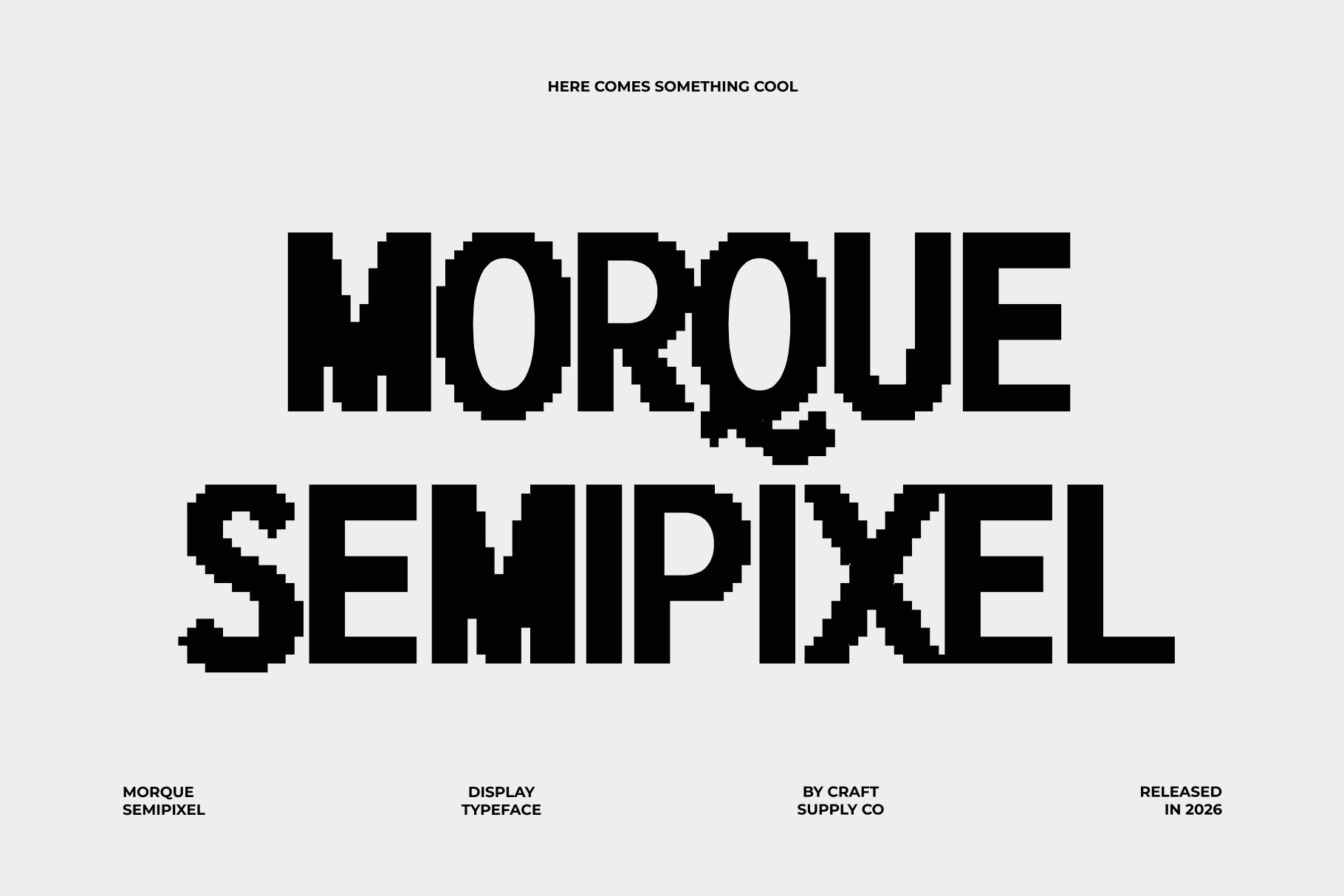
Morque Semipixel is worth exploring for software brands interested in a digital inspired visual identity. Pixel influenced typography can reference computing, digital interfaces, and screen based experiences. It may work particularly well for gaming software, creative coding studios, or technology projects that want a recognizable graphic style.
3. CS Blame Distort

CS Blame Distort offers an experimental direction for companies that want their visual identity to feel unconventional. Distorted typography can suit creative technology studios, interactive media developers, or brands working with experimental digital experiences. Use it for selected headlines or branding elements rather than long text, and balance its visual character with a clean layout.
4. CS Marsden Semipixel
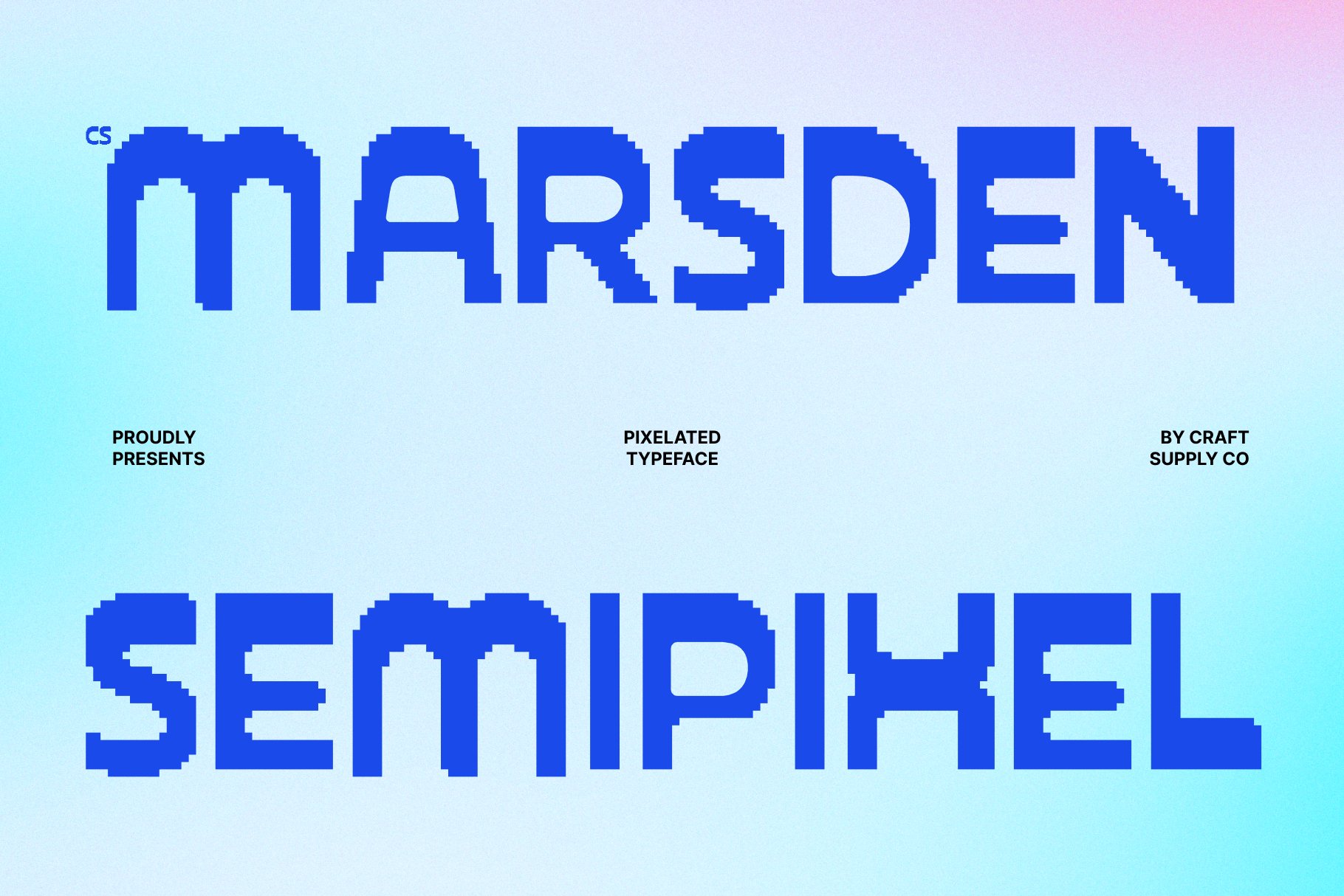
CS Marsden Semipixel provides another option for a digital focused software house. A semipixel style can help connect the visual identity with software, gaming, or technology culture without relying on generic computer icons. Consider using it for a logo or promotional heading, paired with a readable typeface for service descriptions and contact information.
5. CS Matches Semipixel
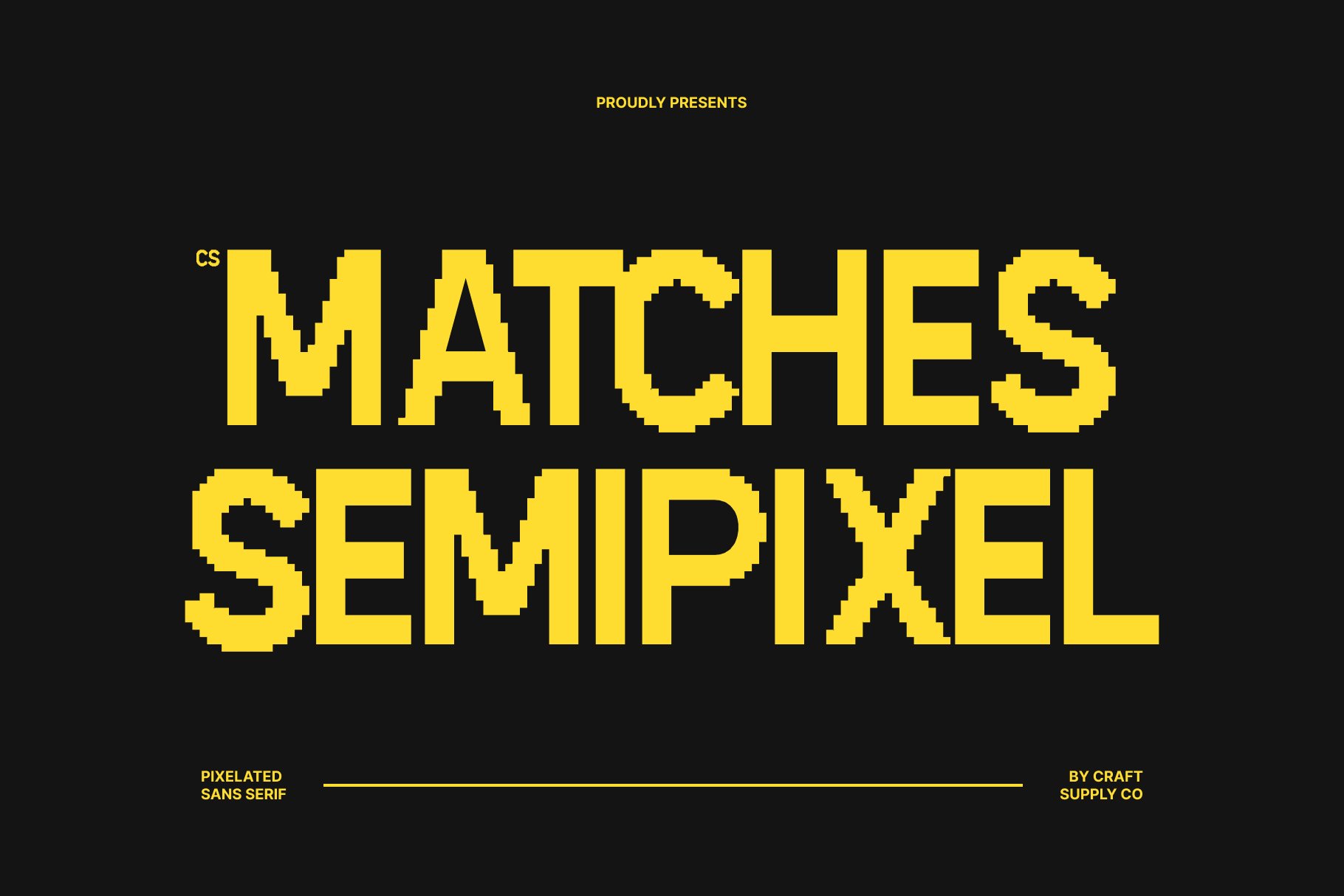
CS Matches Semipixel is an alternative to consider for a brand that wants a distinctive digital aesthetic. It may suit a creative development studio, indie game developer, or business producing interactive digital products. Test the font in different sizes and against different backgrounds to make sure the final identity remains legible and consistent.
6. CS Melchior Semipixel

CS Melchior Semipixel can be explored for technology brands seeking a more specialized typographic look. Pixel inspired lettering can provide a visual connection to digital environments and computing culture. Use it for the brand name or a small number of prominent elements, and choose a more conventional typeface for detailed business information.
7. CS Coster Refracted
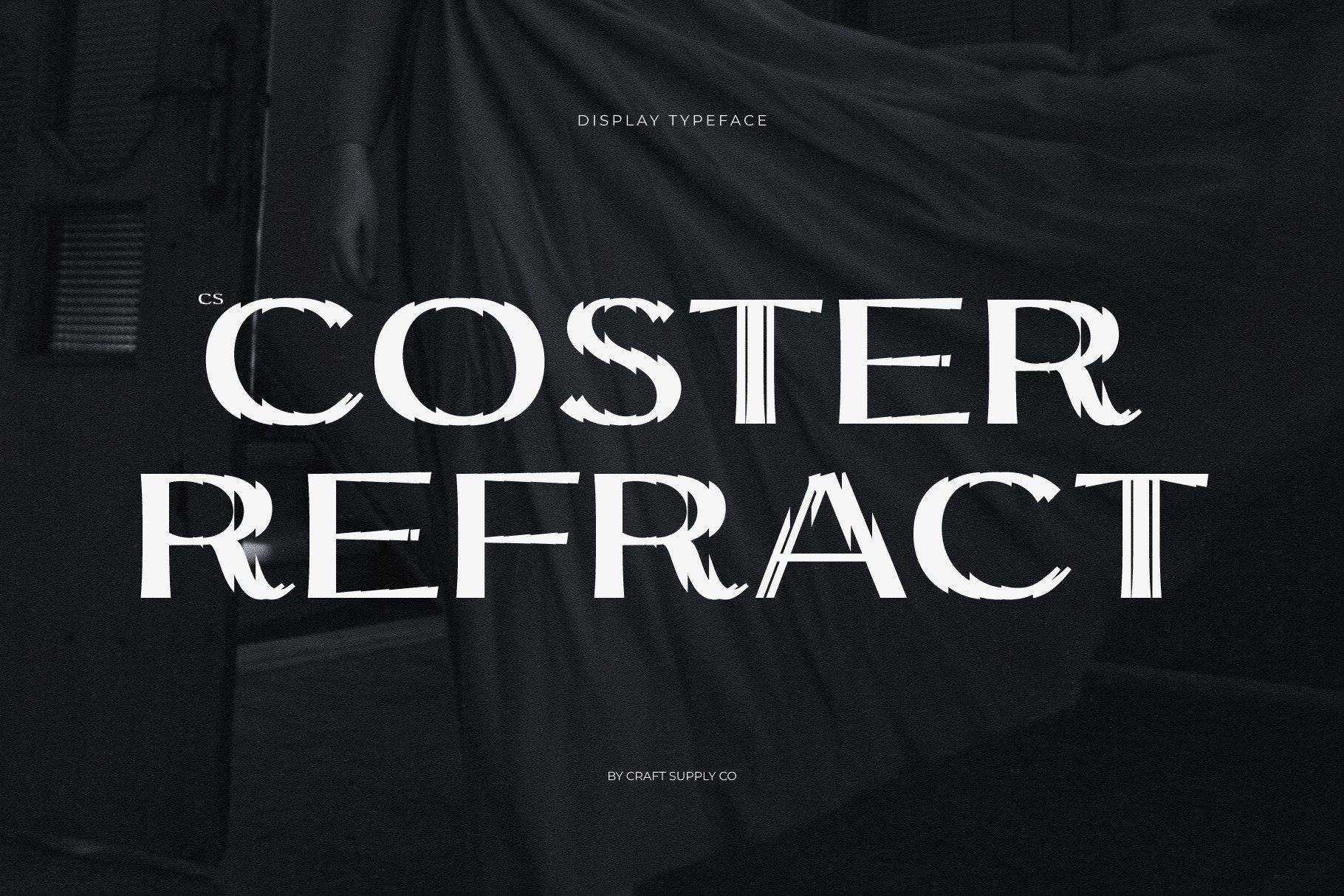
CS Coster Refracted is an option for software companies looking for an experimental display style. A refracted visual direction can help create a distinctive identity for creative technology, digital media, or emerging tech projects. To keep the design professional, pair expressive lettering with a structured layout and clear supporting text.
8. CS Milesian Bricks

CS Milesian Bricks offers a distinctive style to explore for a technology business that wants its typography to stand out. Its name suggests a brick inspired design direction that could be considered for branding built around construction, systems, modular development, or digital infrastructure. Review the font’s actual appearance and test it in your logo before deciding how it fits your brand.
9. CS Horace Rippled
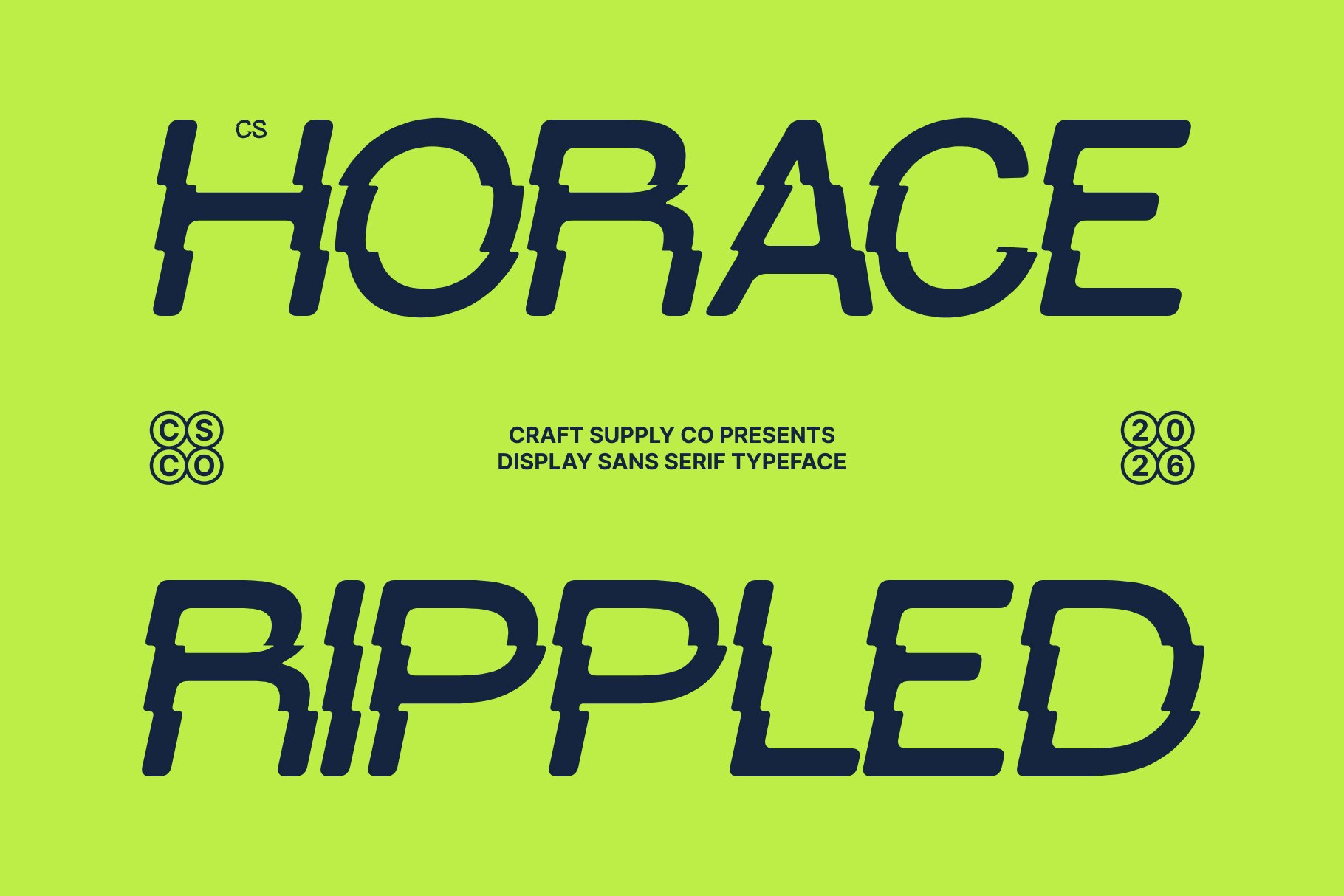
CS Horace Rippled is worth exploring if your software house wants a more expressive visual identity. A rippled typographic treatment can add movement and character to promotional graphics or selected brand elements. It may be better suited to creative campaigns than dense technical content, so pair it with a simpler font for practical information.
10. Nestine Rippled
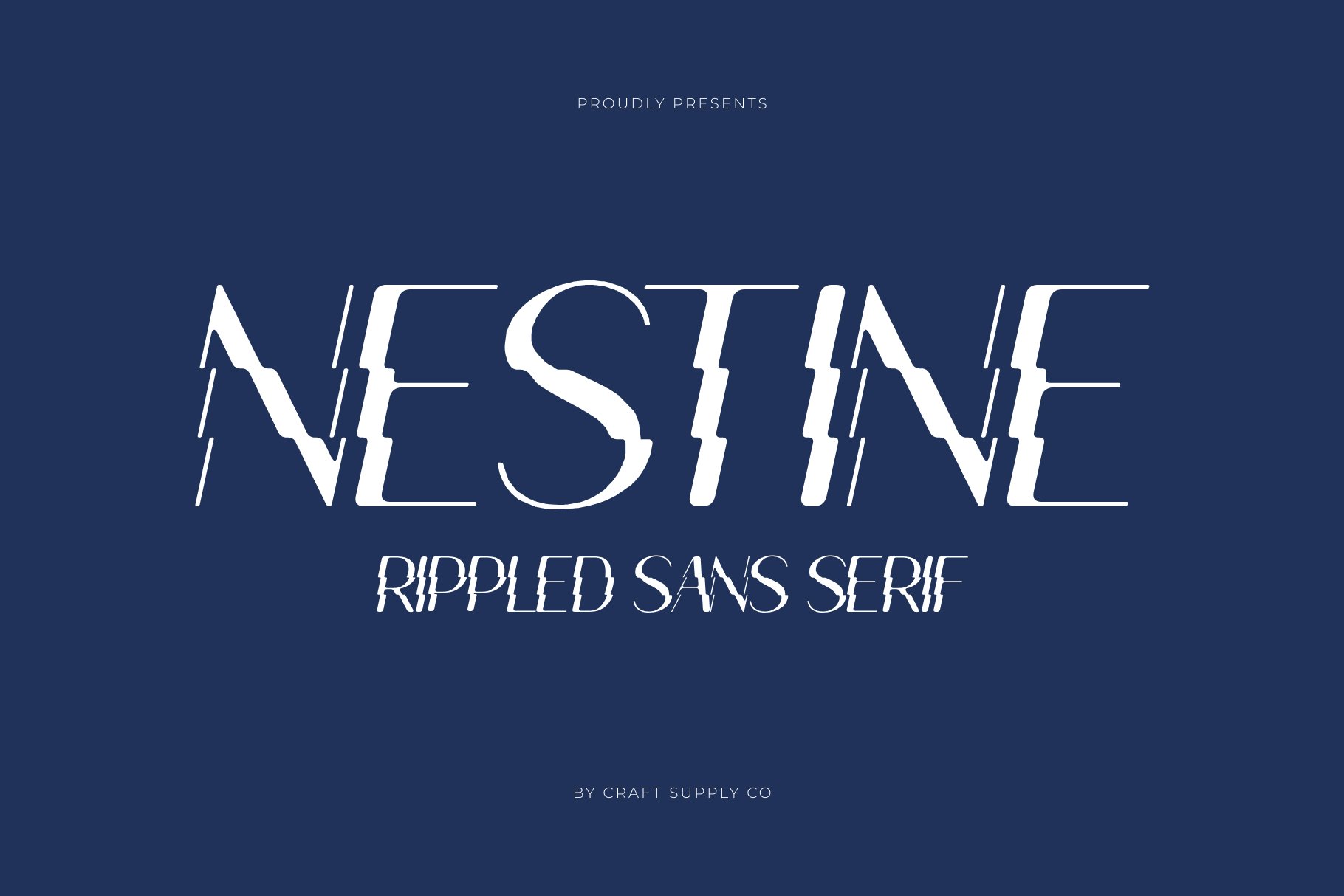
Nestine Rippled offers another option for brands that want to experiment with distinctive typography. Consider it for a creative technology studio, digital product campaign, or visual identity that aims to feel less conventional. Keep the overall design system consistent and ensure your company name remains readable across different applications.
Branding Tips for a Successful Software House
Building a powerful software house brand requires launching a flexible, clutter-free logo alongside a consistent color palette that instantly communicates reliability and digital expertise. For instance, dark palettes with vivid accents create a modern, high contrast digital aesthetic, whereas clean blues and neutral shades support a conventional, minimal software consultancy look. Therefore, you must always test your core logotype early across mobile website headers, business cards, and application icons to ensure your visual assets remain perfectly clear and accessible at any scale.
Additionally, you should establish a clear typography system and showcase comprehensive case studies to prove your development team’s capabilities. Consequently, pairing an expressive headline font with a readable sans serif for technical documentation will keep your client proposals organized and easy to navigate. However, remember to structure your online portfolio around transparent problem solving outcomes rather than vague claims, syncing these professional communication styles across all platforms to build lasting trust before a client project even begins.
Common Software House Naming Mistakes to Avoid
Before finalizing your business name, review these common mistakes that can make a software brand less effective.
- Choosing a generic name: Overused technology terms can make your company difficult to distinguish from competitors.
- Making the name too complicated: Difficult spelling and pronunciation can make referrals and online searches harder.
- Limiting future services: A name tied to one programming language or narrow service may restrict future expansion.
- Following trends without a strategy: Trend driven wording may become dated or make your business sound similar to other companies.
- Ignoring domain availability: Check suitable domain names and social media handles before investing in branding.
- Skipping legal research: Review relevant business registrations and trademarks before making a final commitment.
- Neglecting visual presentation: Test how the name looks in a logo, website header, proposal, and other real applications.
For more design inspiration, explore the creative portfolio of Craft Supply Co. With a memorable name and a thoughtful brand strategy, your software house can establish a professional presence and communicate its value to future clients.