
Ancient manuscripts have a distinctive visual language shaped by handwritten lettering, decorative illustrations, ornamental details, and the texture of old paper. Whether you are designing a historical book cover, fantasy game, museum graphic, vintage poster, scroll, or educational project, typography can help recreate the atmosphere of an old manuscript. If you are searching for a font recommendation for ancient manuscript designs, choosing a typeface with a drawn and handcrafted character can be an excellent starting point.
Ancient manuscript typography does not always need to look perfectly authentic to a particular historical period. In many modern design projects, the goal is to capture the feeling of an old document while keeping the lettering visually distinctive and practical. Hand-drawn fonts can provide this balance by combining historical character with a more expressive contemporary appearance.
Below are ten font alternatives from Craft Supply Co that can help create an ancient, medieval, illustrated, or historical manuscript atmosphere.
What Makes a Good Font for an Ancient Manuscript?
A suitable manuscript font should communicate age, craftsmanship, and historical character. Traditional manuscripts were often created by hand, so typography with a drawn or imperfect appearance can help reproduce that visual feeling in modern designs.
Lettering with unusual shapes, decorative details, irregular edges, or an illustrated quality can make a design feel less digital and more connected to historical documents. These characteristics are especially useful when creating fantasy maps, fictional manuscripts, historical posters, book covers, or themed packaging.
However, the right font depends on the type of manuscript you are trying to represent. A medieval European manuscript may call for a different visual direction from an ancient Mediterranean document, an illuminated religious text, or a fictional magical grimoire. Always consider the cultural and historical context of your project before choosing a font recommendation for ancient manuscript.
10 Font Recommendations for Ancient Manuscript Designs
1. CS Vera Drawn Font

CS Vera Drawn is a strong option for projects that need a handcrafted manuscript appearance. Its drawn character can help introduce the feeling of lettering created by hand rather than produced through a perfectly uniform digital system.
Use CS Vera for historical posters, fictional manuscripts, book covers, fantasy artwork, illustrated titles, and decorative headings. It can also work well when you want a manuscript-inspired design without making the typography feel overly formal.
2. CS Vilma Drawn Font

CS Vilma Drawn offers another expressive direction for ancient manuscript-inspired typography. Its hand-drawn appearance can add personality and visual texture to historical or fantasy compositions.
Consider using this font for chapter titles, scroll designs, illustrated books, posters, packaging, and themed invitations. Its handcrafted character can complement illustrations and ornamental elements without requiring excessive additional decoration.
3. CS Amapola Drawn Font

CS Amapola Drawn can bring an artistic quality to manuscript-inspired projects. A drawn display font can be particularly effective when typography needs to feel like part of an illustration rather than a separate digital element.
Use Amapola for fantasy manuscripts, historical-inspired branding, storybook covers, decorative labels, and poster headlines. It can also be useful for projects that combine old-world themes with a more creative contemporary design approach.
4. CS Valcon Drawn Font
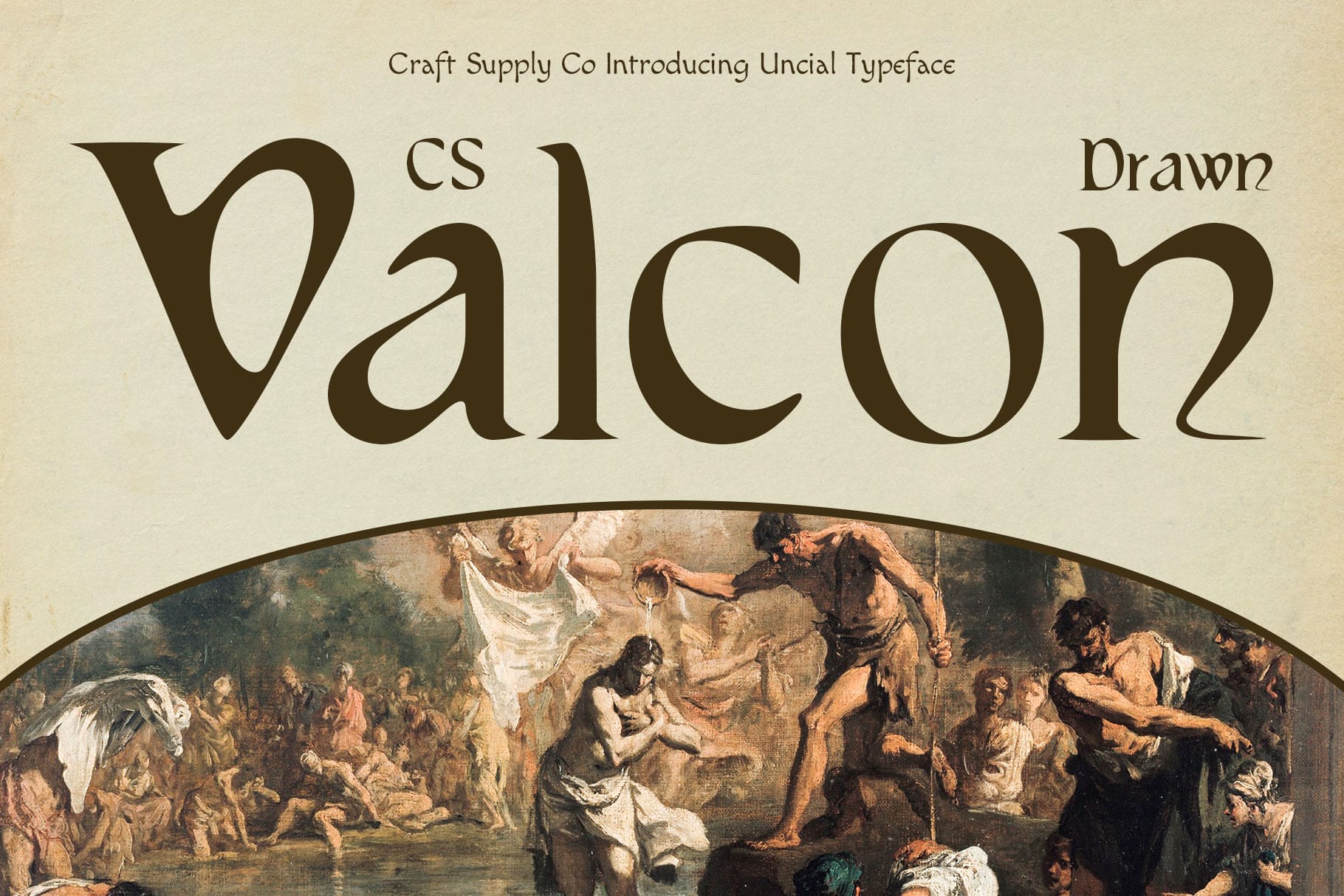
CS Valcon Drawn is a versatile choice for creating a hand-rendered historical atmosphere. The drawn treatment can help bring a sense of craftsmanship to designs that are inspired by old documents and traditional lettering.
This font can work well for manuscript titles, fantasy game graphics, historical artwork, maps, fictional archives, and book covers. Pair it with parchment-inspired textures and decorative illustrations for a more immersive visual result.
5. CS Piera Drawn Font

CS Piera Drawn provides another handmade direction for ancient manuscript designs. Its drawn character can make typography feel more personal and organic, which is useful for projects that aim to recreate the atmosphere of handwritten historical material.
Try Piera for storybook titles, vintage posters, fantasy labels, historical exhibitions, and decorative editorial designs. It can also work as an accent font when paired with a more readable typeface for supporting information.
6. CS Spears Drawn

CS Spears Drawn can be a fitting option for manuscripts connected to medieval, historical, or adventurous themes. Its drawn character can help create the impression of lettering that belongs to an illustrated world.
This makes it useful for fantasy maps, medieval game graphics, adventure book covers, fictional chronicles, and historical-themed posters. Use it for prominent titles and short phrases where its visual character can remain clear.
7. CS Athens Drawn
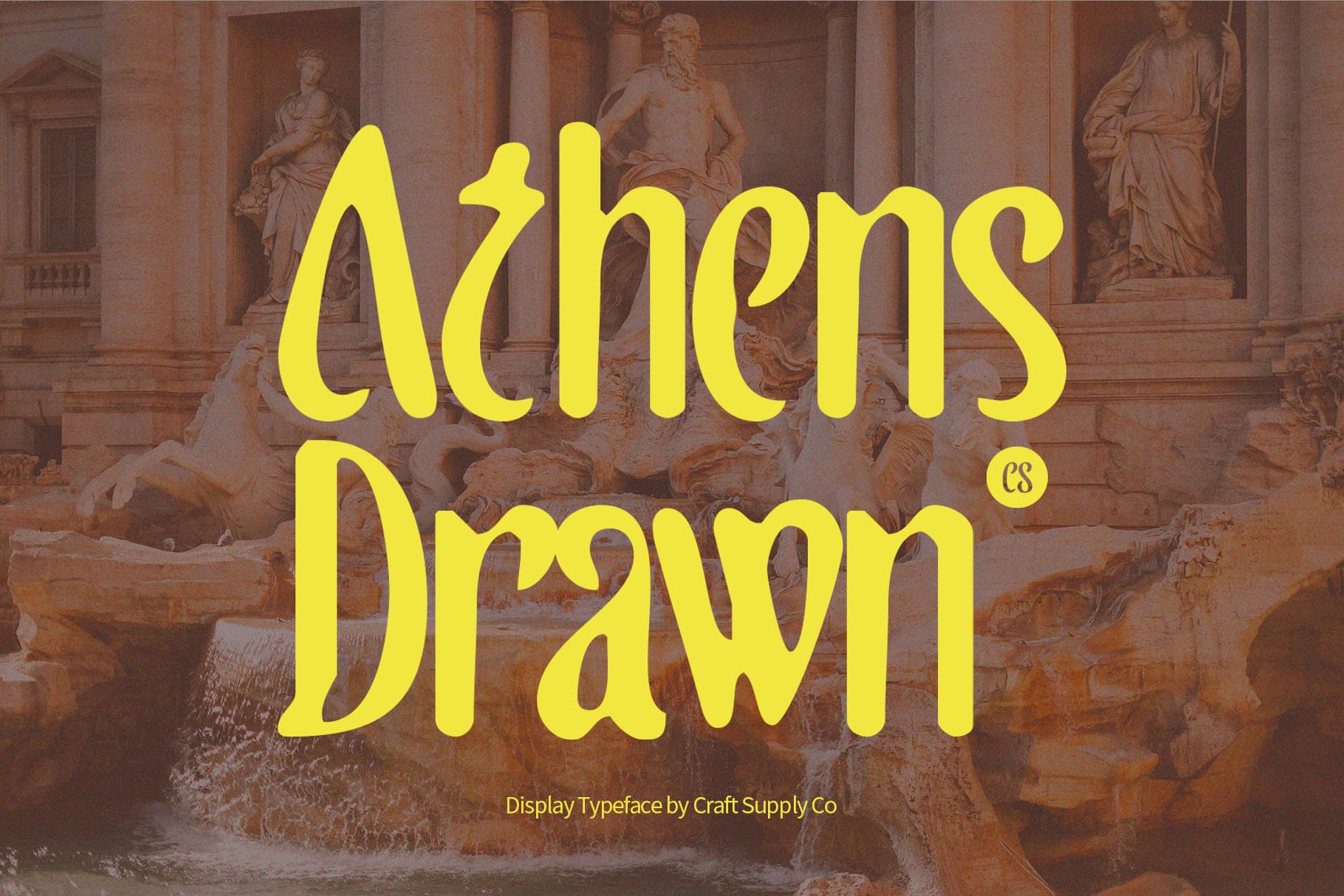
CS Athens Drawn offers a historical direction that can be useful for ancient-world-inspired design projects. Its drawn treatment can help establish a connection with classical themes while retaining an expressive visual quality.
Consider using Athens for designs inspired by ancient civilizations, historical exhibitions, mythology, archaeology, educational materials, and period-inspired book covers. It can also work well for decorative headings where the typography needs to suggest an earlier era.
8. CS Morish Drawn Font
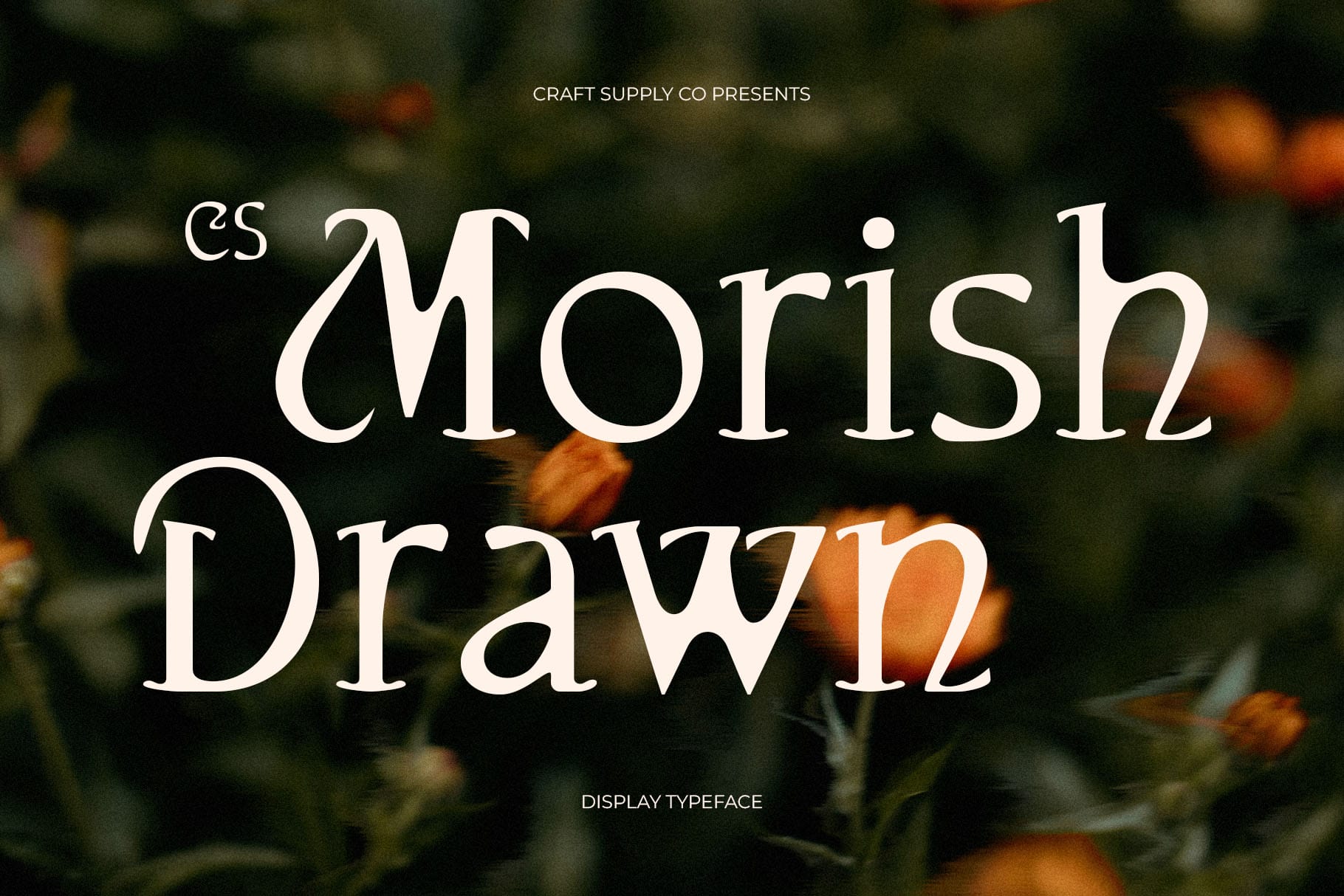
CS Morish Drawn can introduce an ornamental and handcrafted quality to manuscript-inspired compositions. It is a useful option when your project needs lettering with a strong decorative personality rather than a plain historical treatment.
Use Morish for fantasy books, fictional manuscripts, cultural-inspired artwork, decorative packaging, posters, and illustrated titles. Its character can become especially effective when combined with borders, ornamental motifs, and textured backgrounds.
9. CS Loman Drawn Font

CS Loman Drawn is another option for projects that need a handmade manuscript aesthetic. Its drawn quality can help soften the digital appearance of modern typography and create a more crafted visual impression.
It can be used for book covers, historical posters, fantasy artwork, fictional documents, labels, and decorative headings. For longer text, consider pairing it with a simpler supporting font to maintain readability.
10. CS Kurse Drawn Font

CS Kurse Drawn rounds out the collection with another handcrafted display option. Its drawn style can be useful for designs that need an old-world atmosphere while still maintaining a distinctive modern graphic quality.
Use Kurse for manuscript titles, fantasy projects, historical-themed merchandise, posters, book covers, and decorative branding. It can also be effective for fictional documents where you want the typography to feel like part of the story.
Choosing a Manuscript Font by Historical Style
The best font recommendation for ancient manuscript projects depends on the historical or fictional world you want to communicate. Before choosing a font, identify the atmosphere and period that your design is trying to evoke.
Medieval Manuscript Designs
Medieval-inspired projects can benefit from typography that feels handcrafted and slightly irregular. Drawn fonts such as CS Vera, CS Vilma, or CS Spears can help create a visual connection with illustrated books, chronicles, maps, and fantasy manuscripts.
Ancient Civilization Designs
For projects inspired by ancient civilizations, the overall composition is just as important as the font. CS Athens Drawn can provide a historical starting point, especially when combined with architectural motifs, archaeological imagery, decorative borders, or aged textures.
Fantasy Manuscripts
Fantasy projects have more freedom to combine historical influences. Fonts such as CS Valcon, CS Morish, and CS Kurse can help create fictional documents, magical books, adventure maps, and world-building materials.
Handwritten Historical Designs
If the goal is to make a design feel personally written or illustrated, a drawn font can be particularly effective. CS Piera and CS Loman can contribute a handcrafted quality without requiring the entire composition to imitate a specific historical script.
Where to Use Ancient Manuscript Fonts
Manuscript-inspired typography can be useful across many creative applications. Because these fonts often have strong visual personalities, they are especially effective for titles, short phrases, and decorative elements.
- Historical book covers
- Fantasy novel covers
- Ancient manuscript recreations
- Fantasy game interfaces
- Medieval maps
- Scroll designs
- Museum and exhibition graphics
- Historical posters
- Educational materials
- Packaging and labels
- Decorative invitations
- Fantasy merchandise
How to Create an Authentic Ancient Manuscript Look
Typography is only one part of creating a convincing manuscript aesthetic. The background, illustrations, colors, spacing, and texture all contribute to the final result.
Start with an appropriate color palette. Warm parchment tones, muted browns, faded blacks, and subdued earth colors can help establish an aged appearance. You can then introduce subtle paper textures or distressed effects without making the design difficult to read.
Decorative borders can also strengthen the manuscript concept. Depending on your theme, consider ornamental frames, botanical illustrations, medieval motifs, maps, symbols, or hand drawn illustrations. Keep these elements organized so that they support the typography instead of competing with it.
Font Pairing Tips for Ancient Manuscripts
Decorative drawn font recommendation for ancient manuscript are generally best used for display text. If your design includes paragraphs, descriptions, instructions, or other longer content, pair the primary manuscript font with a simpler typeface.
A readable serif can complement a historical display font particularly well. A neutral sans serif can also create an interesting contrast when you want a more contemporary interpretation of the ancient manuscript aesthetic.
Another effective approach is to use different typographic levels. Reserve the most decorative font for the main title, use a secondary historical inspired font for subheadings, and choose a highly readable typeface for body copy.
Common Mistakes When Choosing an Ancient Manuscript Font
One common mistake is assuming that any old-looking font will automatically create an authentic manuscript design. Historical typography varies significantly between cultures and periods, so it is important to research the visual references behind your project when historical accuracy matters.
Another mistake is using decorative typography for everything. A manuscript inspired font may look excellent in a title but become difficult to read when used for an entire page. Keep ornate lettering for display elements and use a simpler font for longer passages.
It is also important not to overload the design with texture. Parchment backgrounds, distressed lettering, decorative borders, illustrations, and other effects can quickly compete for attention. Choose a few strong elements and allow enough space around the typography.
Finding the right font recommendation for ancient manuscript designs is about capturing the feeling of handcrafted historical lettering while keeping the final composition visually effective. Drawn fonts can provide an excellent foundation for medieval, ancient, fantasy, and historical-inspired projects.
The ten alternatives featured here offer different creative directions, from the expressive character of CS Vera and CS Vilma to the ancient-world inspiration of CS Athens and the decorative possibilities of CS Morish. CS Spears, CS Valcon, CS Piera, CS Loman, and CS Kurse can also bring distinctive handcrafted qualities to manuscripts and historical artwork.
For the strongest result, combine your chosen font with appropriate textures, illustrations, borders, and supporting typography. Whether you are creating a fictional grimoire, historical poster, fantasy map, or book cover, the right lettering can make the entire design feel like it belongs to another time.
For more lettering inspiration and creative typography projects, explore Craft Supply Co on Behance.