
Typography plays a major role in creating the visual identity of a luxury hotel. From the hotel logo and entrance signage to room cards, menus, websites, brochures, and social media, the right font can communicate sophistication before guests experience the property itself. If you are searching for a Font recommendation for Luxury Hotel, choosing typography that feels refined, timeless, and distinctive can help create a memorable hospitality identity.
Font recommendation luxury hotel often relies on a carefully controlled visual language. Elegant serif fonts can communicate heritage and exclusivity, while modern sans serif typefaces can create a cleaner and more contemporary impression. High-contrast serifs can add fashion-inspired sophistication, while condensed fonts can create an editorial and upscale appearance.
In this guide, we explore ten Font recommendation for Luxury Hotel from Craft Supply Co that can work for luxury hotel logos, resort branding, signage, menus, stationery, websites, room materials, advertising, and other hospitality applications.
What Makes a Good Font for Luxury Hotel Branding?
A Font recommendation for Luxury Hotel needs to balance elegance with practicality. Hotel branding appears in many different places, so the typeface should look impressive in a large logo while remaining readable on smaller applications such as room cards, menus, booking materials, and digital interfaces.
Serif fonts are a popular choice for luxury hospitality because their refined details can create a sense of heritage and sophistication. Modern sans serif fonts offer another direction for contemporary hotels that want a cleaner and more minimalist identity.
Letter spacing is also important. Luxury branding often benefits from generous spacing and carefully controlled typography. A well-selected font combined with appropriate spacing can make a simple hotel name feel considerably more premium.
10 Font Recommendations for Luxury Hotel Branding
1. CS Rivens Bold Serif Font

CS Rivens Bold Serif is a strong option for hotel brands that want their name to have a confident and sophisticated presence. A bold serif can provide visual authority while retaining the classic character associated with premium branding.
Use CS Rivens for hotel logos, entrance signage, promotional headlines, brochures, and editorial-style campaigns. Its stronger weight can also work well when the hotel name needs to remain visible against photography or architectural imagery.
2. Groce Stylistic Serif Font
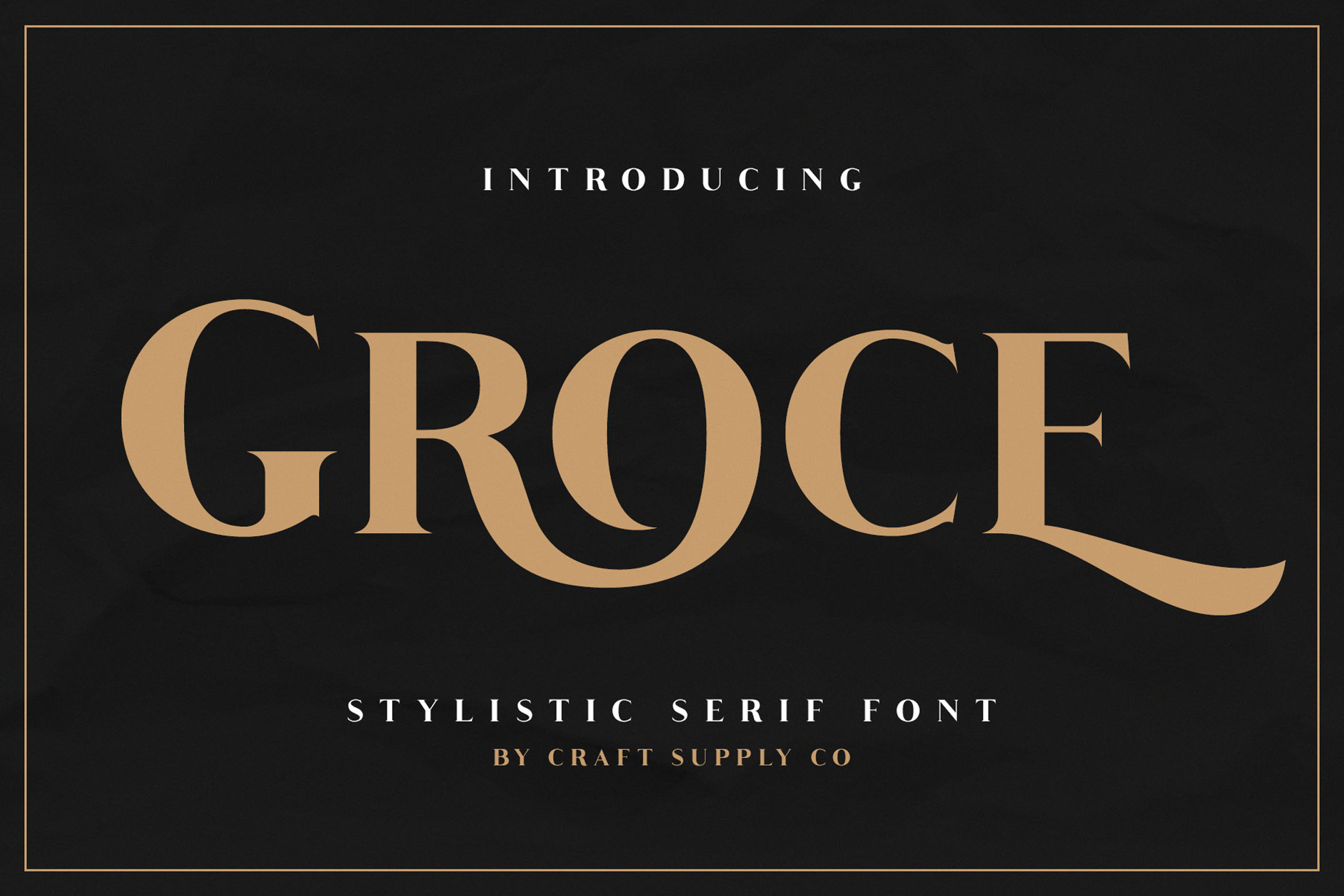
Groce Stylistic Serif offers a more refined and expressive approach to luxury typography. Its stylistic character can help a hotel develop a distinctive visual identity rather than relying on a generic serif.
This font can work particularly well for boutique hotels, luxury resorts, heritage properties, and sophisticated hospitality brands. Try it for logos, restaurant menus, invitations, website headings, and premium promotional materials.
3. Glutern Elegant Font Duo

Glutern provides an elegant font combination that can be useful for creating hierarchy within luxury hotel branding. A font duo can give designers more flexibility when developing a complete identity system across headings, subheadings, and supporting information.
Use Glutern for hotel logos, wedding and event materials, restaurant branding, menus, social media graphics, and promotional campaigns. It can also be useful for hotels that want their branding to feel romantic, refined, and visually expressive.
4. Nestine Elegant Sans Serif

Nestine provides a clean alternative for luxury hotels that prefer a modern and minimalist identity. Elegant sans serif typography can communicate contemporary sophistication without relying on traditional serif details.
Use Nestine for modern hotel logos, booking websites, room directories, signage, digital advertisements, and stationery. It can be particularly effective for urban hotels, contemporary resorts, and hospitality brands built around clean architecture.
5. Camarine Rough Font
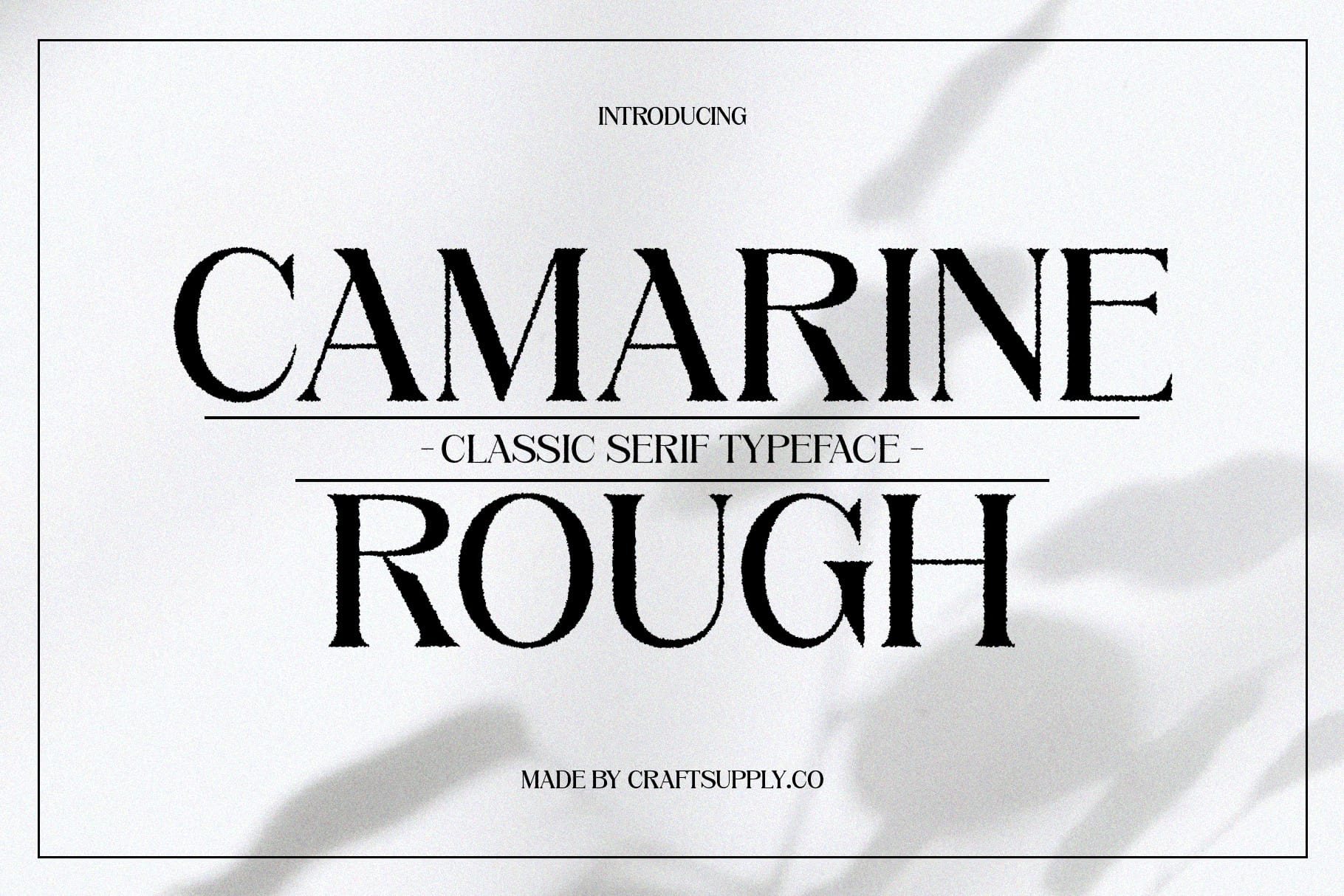
Camarine Rough offers a more unconventional direction for luxury branding. Not every premium hotel needs to look perfectly polished; boutique properties with an artistic, rustic, or destination-focused personality can benefit from typography with more texture.
Consider Camarine for boutique resorts, countryside hotels, creative hospitality brands, restaurants, artisan-inspired properties, and destination campaigns. Its rough character can add warmth and individuality to an otherwise sophisticated identity.
6. Adevas Elegant High Contrast Serif

Adevas is a strong choice for luxury hotel brands that want a sophisticated and fashion-forward appearance. High-contrast serif typography can create an elegant visual rhythm that works particularly well in premium editorial layouts.
Use Adevas for hotel wordmarks, magazine-style advertisements, restaurant menus, spa branding, brochures, and luxury social media campaigns. Its refined character can help position a hospitality brand as exclusive and visually sophisticated.
7. CS Megane Bold Font
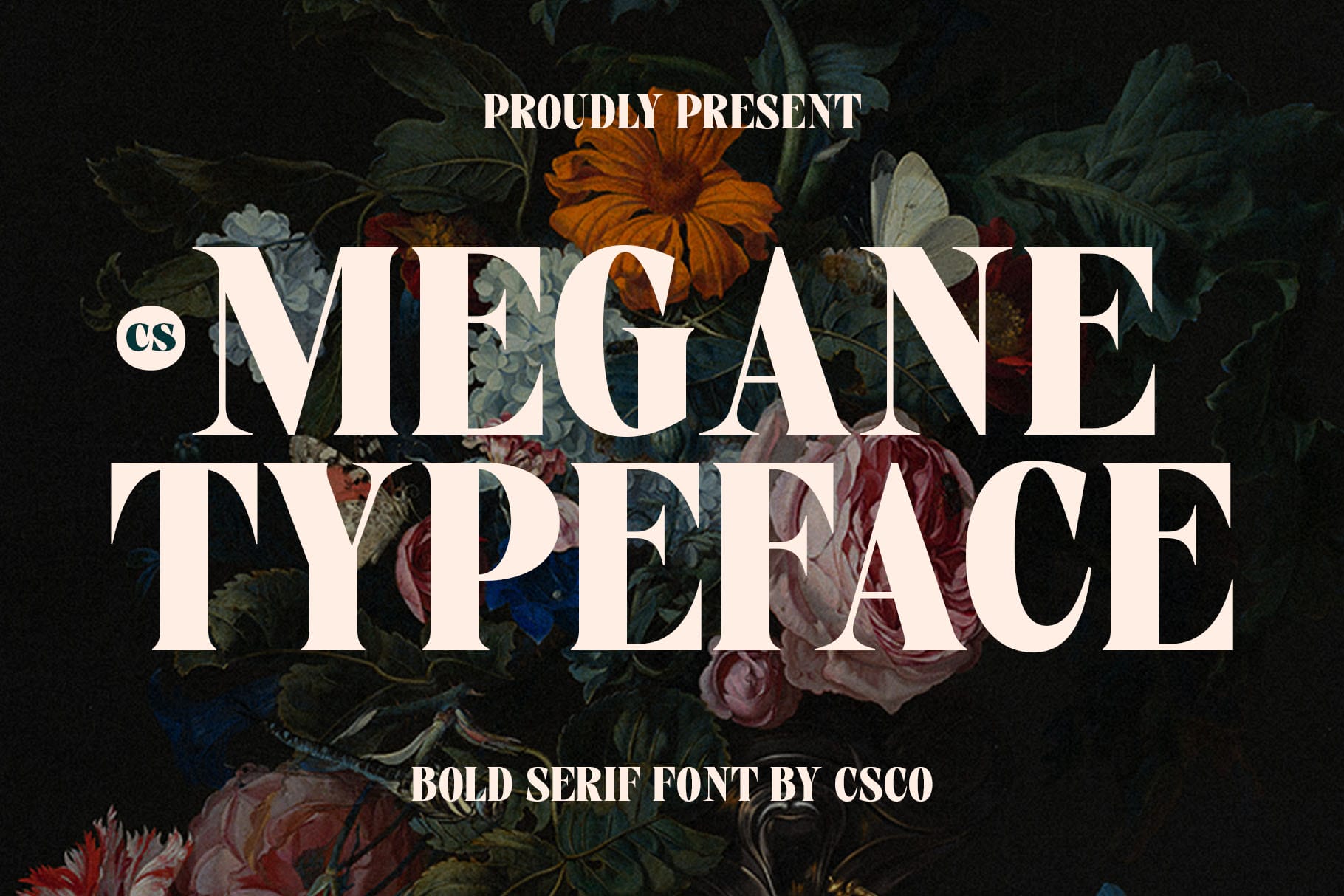
CS Megane Bold is suitable for luxury hotel identities that need stronger display typography. A bold typeface can create a confident brand presence while providing enough visual weight for large signs, advertisements, and promotional graphics.
Try CS Megane for hotel names, campaign headlines, event branding, destination promotions, and large-scale signage. It can also be paired with a lighter supporting typeface to create contrast within the brand system.
8. CS Bonham Modern Sans Serif
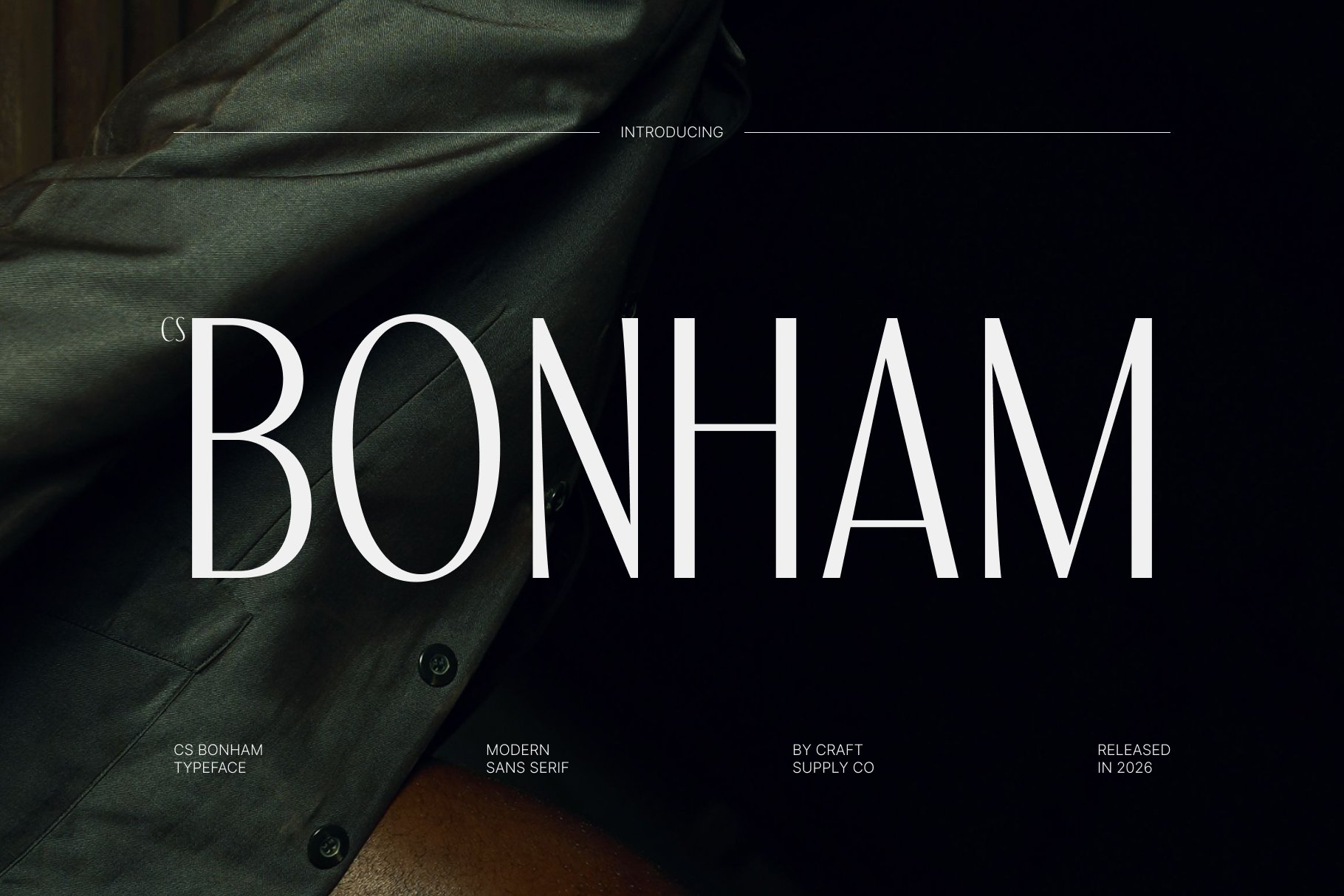
CS Bonham offers a modern sans serif direction for hotels that want their branding to feel clean, contemporary, and approachable. Sans serif typography can work especially well for hospitality brands that prioritize modern architecture and streamlined experiences.
Use Bonham for hotel websites, digital booking interfaces, signage, stationery, menus, room information, and advertising. Its modern character can also complement minimalist interior photography and contemporary visual identities.
9. CS Mikora Modern Serif Font
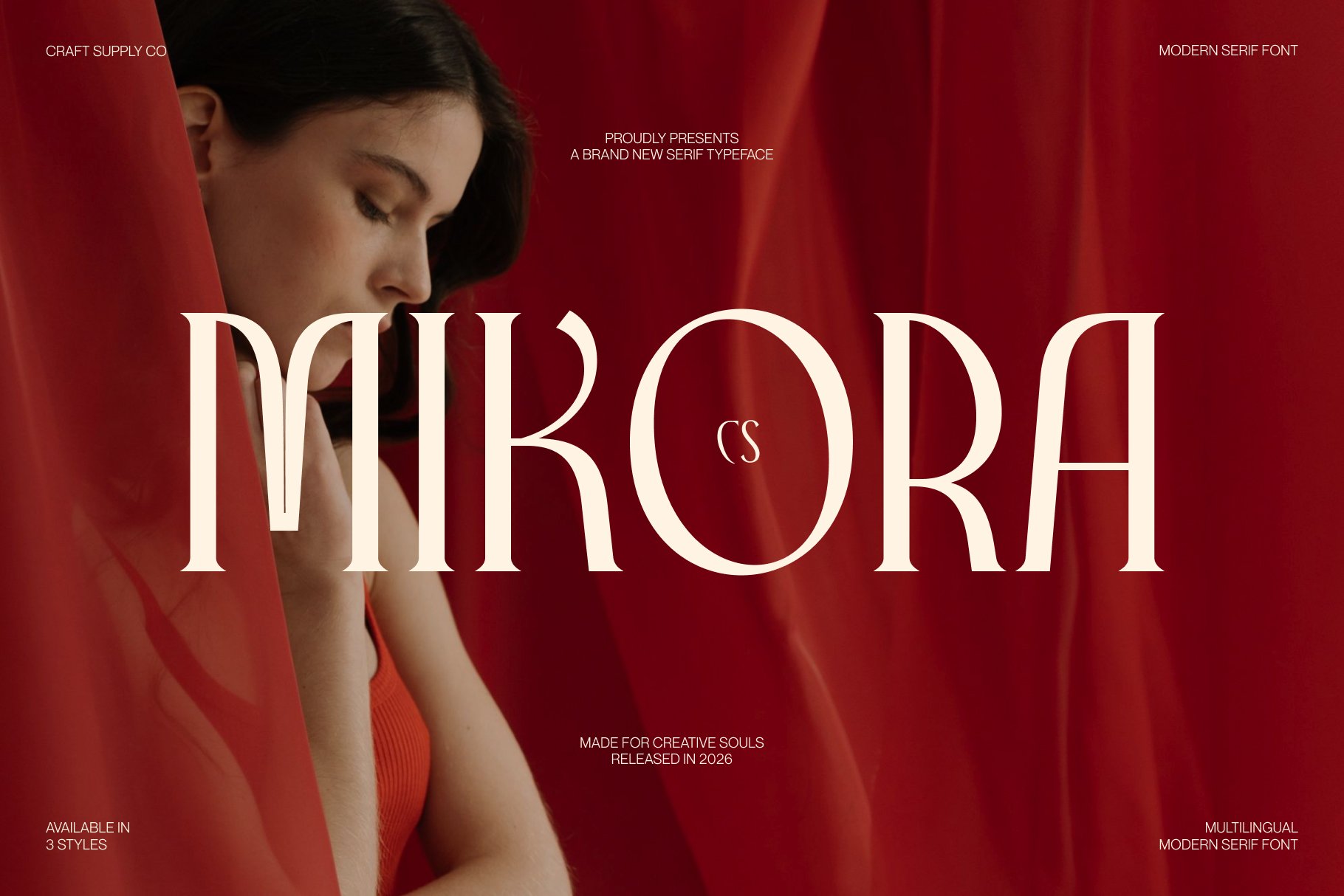
CS Mikora Modern Serif combines the traditional character of serif typography with a more contemporary direction. This makes it a useful middle ground for hotels that want to feel established without appearing overly traditional.
Consider Mikora for hotel logos, restaurant identities, brochures, websites, menus, and printed guest materials. It can work particularly well for properties that combine classic hospitality with modern interiors and services.
10. CS Ruelle Condensed Serif Font
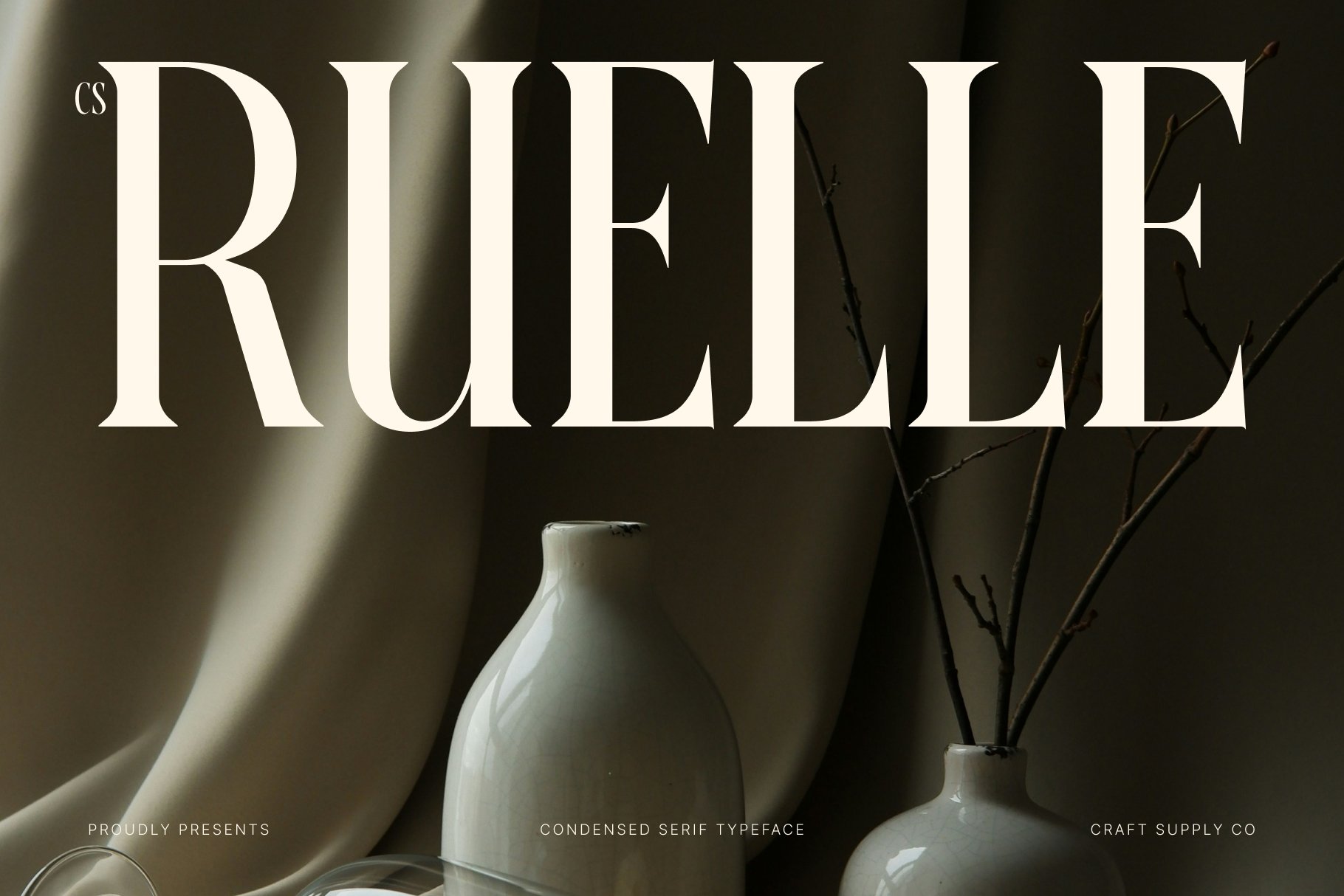
CS Ruelle brings a condensed serif approach to luxury hotel typography. Condensed lettering can create an elegant editorial feeling while allowing longer hotel names or headlines to fit comfortably within narrow layouts.
Use Ruelle for hotel logos, magazine-style advertisements, menus, posters, signage, and promotional campaigns. Its proportions can also create a sophisticated vertical rhythm when combined with generous spacing.
Choosing a Luxury Hotel Font by Brand Personality
The ideal Font recommendation for Luxury Hotel Branding depends on the personality of the property. A historic five-star hotel, a contemporary city hotel, and a relaxed luxury resort may all require different typographic approaches.
Classic Luxury Hotels
Traditional luxury hotels can benefit from sophisticated serif fonts. CS Rivens, Groce, and CS Mikora can support a sense of heritage and timelessness while giving the hotel name a strong visual presence.
Modern Luxury Hotels
Contemporary properties can consider elegant sans serif typography. Nestine and CS Bonham can create a cleaner identity that works well with modern architecture, minimalist interiors, and digital-first hospitality experiences.
Boutique Luxury Hotels
Boutique hotels often have more freedom to use expressive typography. Glutern or Groce can help create a distinctive identity, while Camarine can introduce a more tactile character for properties with artistic or rustic positioning.
Fashion-Inspired Luxury Hotels
Hotels that want a sophisticated editorial or fashion-oriented appearance can explore high-contrast and modern serif styles. Adevas is particularly useful as a direction for campaigns that need refined typography with a strong visual presence.
Where to Use Luxury Hotel Fonts
A hotel typeface should be considered as part of a complete brand system rather than something used only for the logo. Test your chosen font across the guest experience to ensure the identity remains consistent.
- Hotel logos and wordmarks
- Entrance and exterior signage
- Reception desk materials
- Hotel websites
- Booking interfaces
- Restaurant and bar menus
- Room service materials
- Business cards and stationery
- Guest information cards
- Brochures and travel guides
- Social media graphics
- Advertising campaigns
- Spa and wellness branding
- Event and wedding materials
How to Pair Fonts for Luxury Hotel Branding
Luxury branding rarely needs several decorative fonts. A more effective approach is to establish a clear hierarchy with one primary typeface and one supporting font.
For example, a high-contrast serif can be used for the hotel logo and major headings, while a clean sans serif handles body copy and practical information. This combination creates a balance between elegance and usability.
Alternatively, a modern sans serif can serve as the primary brand font while a refined serif is reserved for restaurant menus, special events, or editorial campaigns. This gives the hotel identity flexibility without losing consistency.
Typography Tips for Luxury Hotel Logos
When creating a hotel logo, simplicity can be more effective than excessive decoration. Choose a font with distinctive details, then give the lettering enough space to breathe. Letter spacing can dramatically change the perception of a wordmark, especially when using elegant serif or sans serif typography.
Consider how the logo will appear at different sizes. A hotel identity may appear on a large exterior sign, a website header, a room key card, and a small social media profile. The typography should remain recognizable across these applications.
It is also worth testing the logo in both light and dark applications. A premium hotel brand may need to work on signage, printed stationery, digital interfaces, photographs, and promotional materials, so versatility is essential.
Common Mistakes When Choosing a Luxury Hotel Font
One common mistake is choosing a font simply because it looks expensive. Luxury branding is not only about decorative letterforms. The typeface needs to reflect the hotel’s personality and work consistently across every customer touchpoint.
Another mistake is using too many fonts. A hotel brand can quickly become inconsistent when the logo, website, menu, signage, and social media all use different typefaces. Establish a clear typographic system and use it consistently.
Readability is equally important. Even a beautiful luxury font can become problematic if guests cannot easily read a menu, room number, website navigation, or booking information. Use expressive typography for branding and headings while keeping functional text clear.
Finding the right Font recommendation for Luxury Hotel is about more than selecting an elegant typeface. The best choice should reflect the hotel’s personality, architectural style, target guests, and overall experience while remaining practical across print and digital applications.
The ten font alternatives featured in this guide offer a range of directions. CS Rivens, Groce, Adevas, and CS Mikora can support sophisticated serif branding, while Nestine and CS Bonham offer contemporary sans serif options. Glutern provides an elegant combination, Camarine adds a more tactile direction, CS Megane delivers stronger display typography, and CS Ruelle offers an editorial condensed serif style.
Before making a final decision, test your chosen font with the actual hotel name and across signage, menus, websites, stationery, and promotional materials. A successful luxury hotel identity should feel elegant at first glance while remaining consistent and readable throughout the guest experience.
For more typography inspiration and creative branding projects, explore Craft Supply Co on Behance.