
Gothic typography has a distinctive visual identity that can instantly add drama, history, mystery, and character to a design. From traditional blackletter lettering to dark metal-inspired typefaces, Gothic fonts can be used for logos, posters, album artwork, apparel, tattoos, book covers, packaging, and many other creative projects. If you are searching for a font alternative Gothic style, exploring different interpretations of Gothic typography can help you find a typeface that fits your project’s personality.
Font alternative gothic are not limited to one visual style. Traditional blackletter fonts can create an old-world and historical atmosphere, while rough or drawn variations can feel more experimental. Black metal-inspired fonts can create an intense and mysterious mood, and vintage stamp styles can introduce a distressed character.
In this guide, we explore ten font alternative gothic from Craft Supply Co. Each option offers a different approach to Gothic typography, making it easier to choose a font for your next logo, poster, apparel design, branding project, or creative artwork.
What Is a Gothic Font?
Gothic typography is a broad category that includes several lettering traditions and modern design interpretations. One of the most recognizable styles is blackletter, which is characterized by intricate letterforms, strong vertical strokes, and a historical appearance.
Modern Gothic fonts can also incorporate rough textures, hand-drawn details, distressed effects, and black metal influences. These variations allow designers to use Gothic typography for both historical-looking projects and contemporary creative work.
When choosing a Gothic font, think about the mood you want to create. Do you need something traditional and formal, dark and aggressive, vintage and distressed, or artistic and unconventional? The answer will help determine which Gothic alternative works best.
10 Font Alternative Gothic Options
1. CS Alore Blackletter Gothic Font

CS Alore is a strong choice when you want a classic Gothic and blackletter-inspired appearance. Its dramatic lettering can immediately establish a historical and traditional atmosphere, making it suitable for designs that need a powerful typographic identity.
Use CS Alore for logos, book covers, posters, apparel graphics, invitations, badges, and other display applications. It can be particularly effective when the typography needs to become the central visual element of the design.
2. Ludowise Stamp Vintage

Ludowise Stamp Vintage provides a different interpretation of the Gothic aesthetic by introducing a vintage and stamped character. This makes it useful when you want your design to feel aged, tactile, and connected to traditional printed materials.
Consider using Ludowise for vintage branding, labels, packaging, badges, posters, merchandise, and apparel. The stamp-inspired treatment can also work well alongside distressed textures and antique-inspired illustrations.
3. CS Noisy Blackletter Font

CS Noisy brings additional texture and energy to the blackletter category. Its noisy character can make traditional Gothic lettering feel more contemporary and experimental while maintaining the visual impact associated with blackletter typography.
This font is a useful choice for music artwork, streetwear graphics, posters, alternative branding, and edgy merchandise. Use it for short titles or prominent phrases where the texture can remain visually clear.
4. CS Bulma Blackletter Font
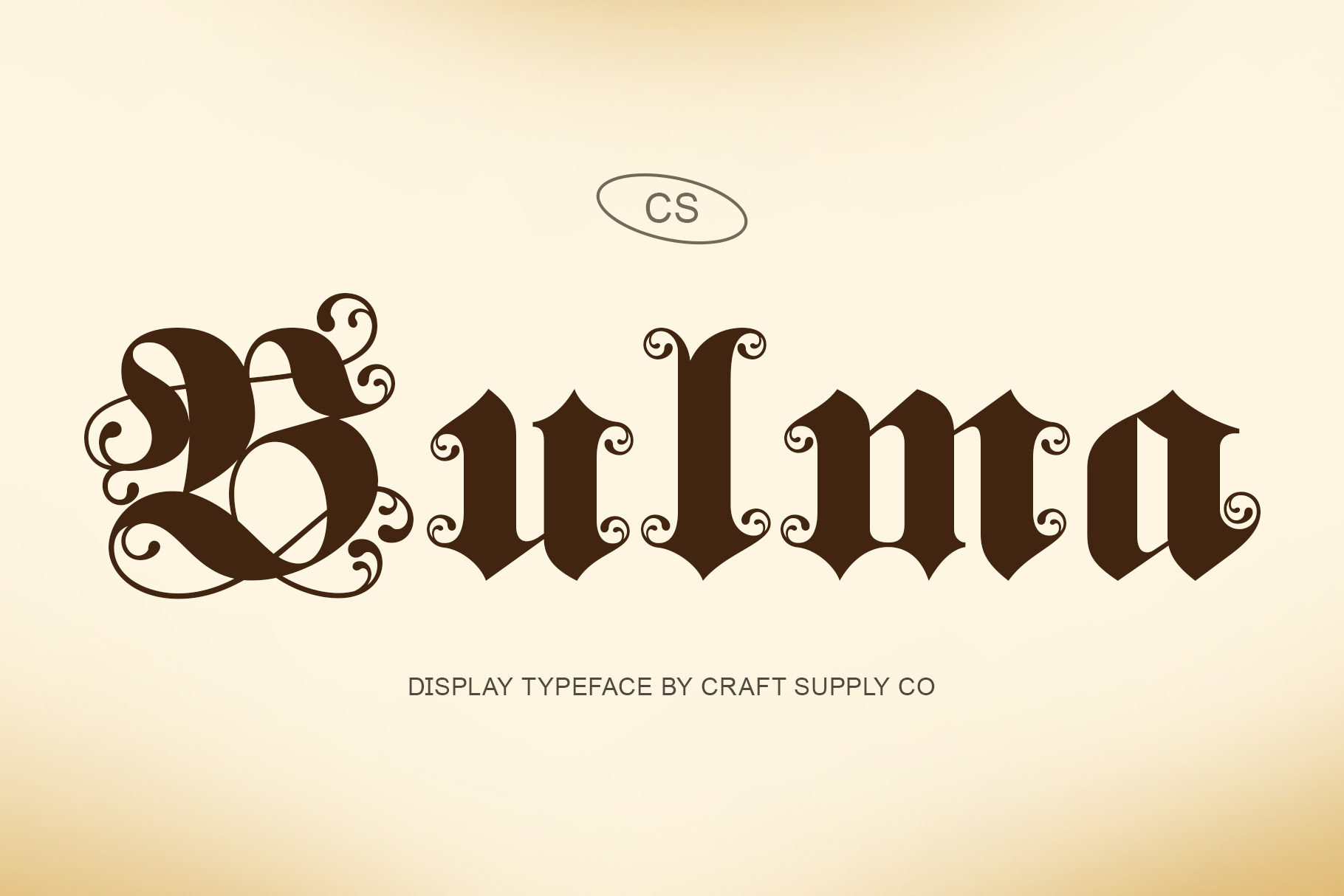
CS Bulma offers another traditional blackletter direction for designers looking for a strong Gothic aesthetic. Blackletter typography works particularly well when you want to create a sense of heritage, tradition, or dramatic visual authority.
Use CS Bulma for logos, apparel, certificates, posters, book covers, event graphics, and vintage-inspired branding. Pairing it with a simple supporting font can help make longer information easier to read.
5. CS Aither Blackletter Font
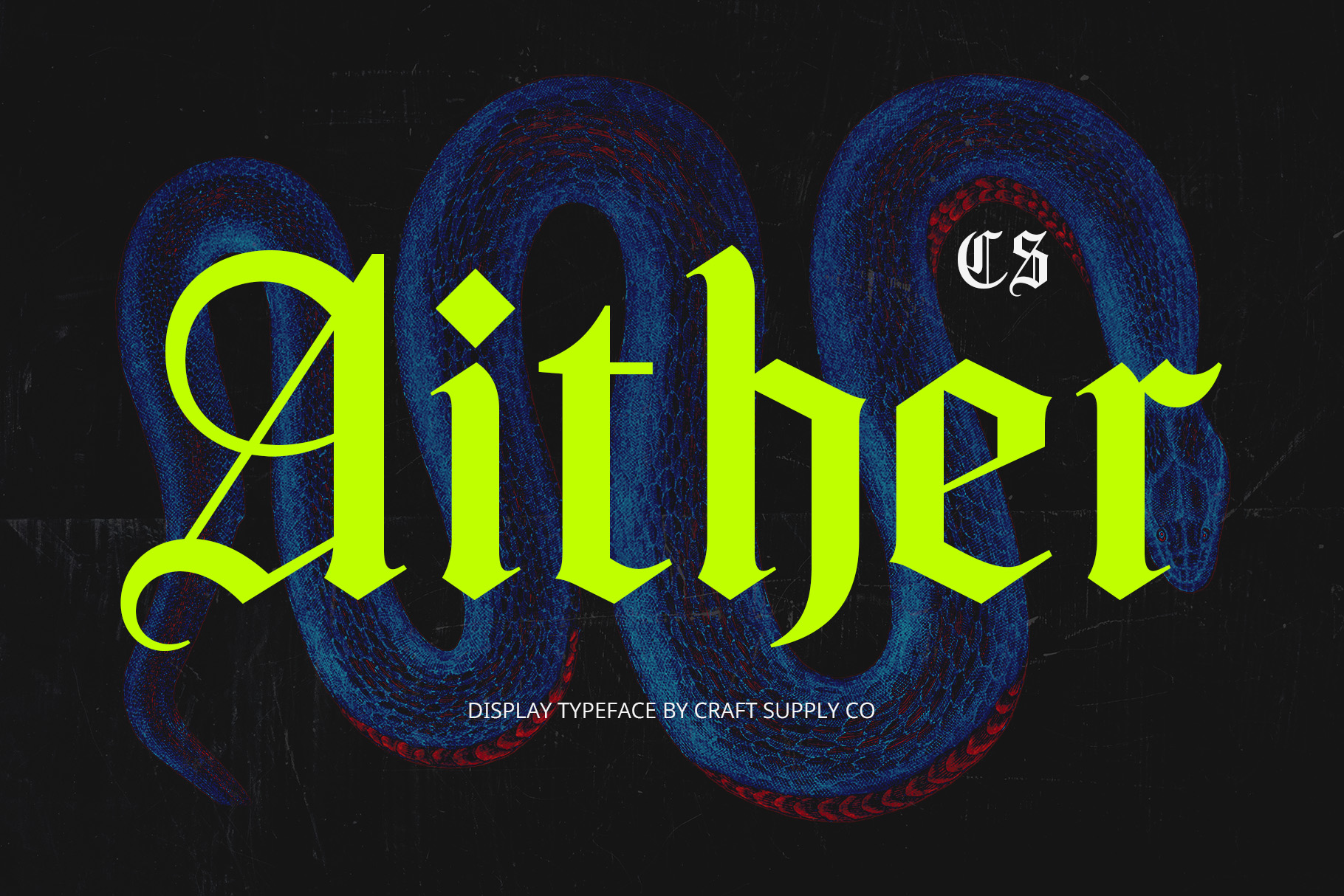
CS Aither is another blackletter option for projects that need a bold Gothic personality. Its historical-inspired appearance can give a brand or graphic design a distinctive character without relying on additional decorative elements.
Try Aither for band logos, merchandise, posters, packaging, editorial covers, and Gothic-themed branding. It can also work as an accent font when a design needs a strong historical or dramatic focal point.
6. CS Alyona Drawn Font
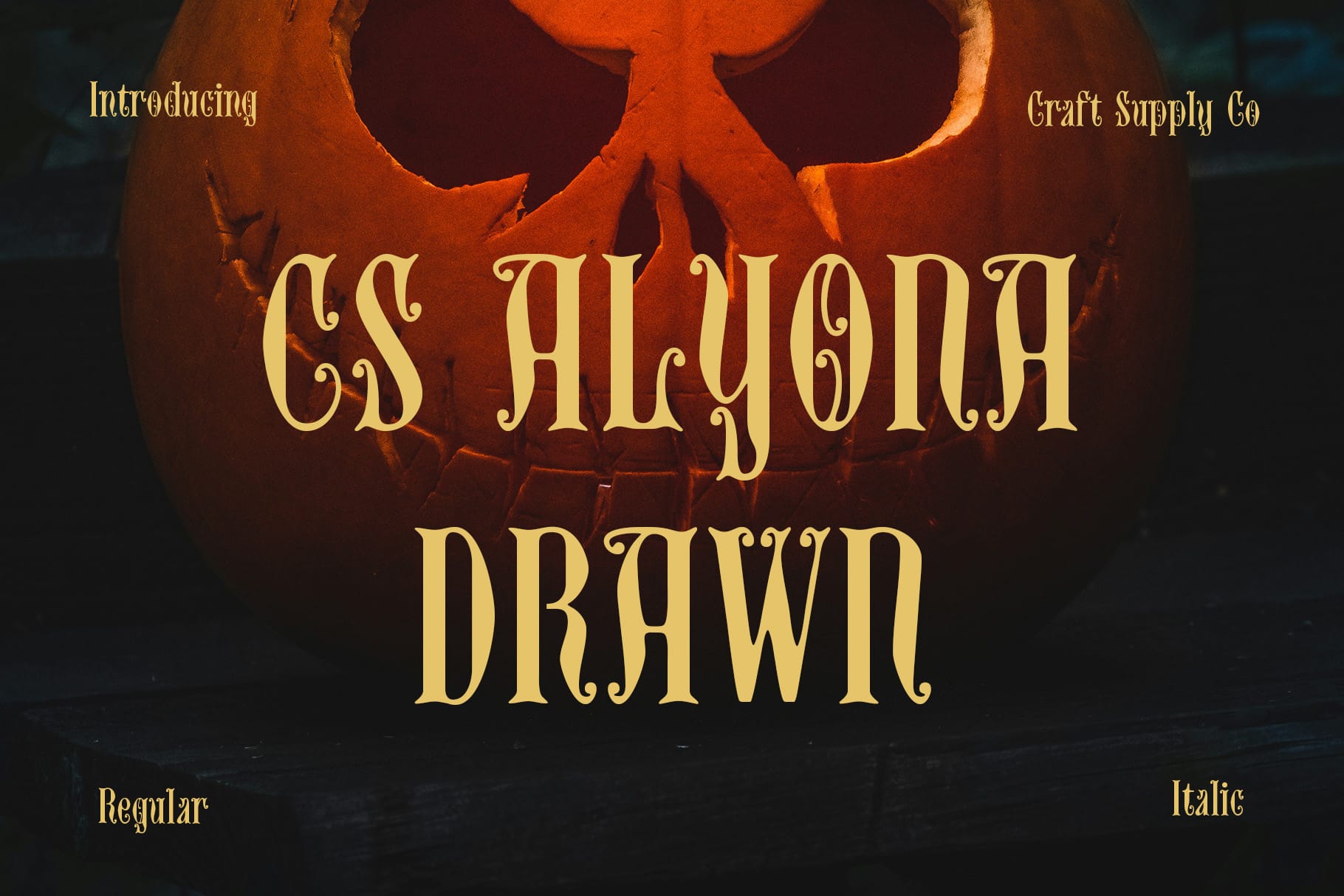
CS Alyona Drawn offers a more handcrafted approach to Gothic-inspired design. A drawn font can make typography feel less rigid and more artistic, which is useful for creative projects that want an unconventional interpretation of vintage lettering.
Use Alyona for illustrated posters, apparel graphics, book covers, creative logos, labels, and artwork. It can be particularly effective when combined with hand-drawn illustrations or textured backgrounds.
7. CS Slacker Blackletter Font
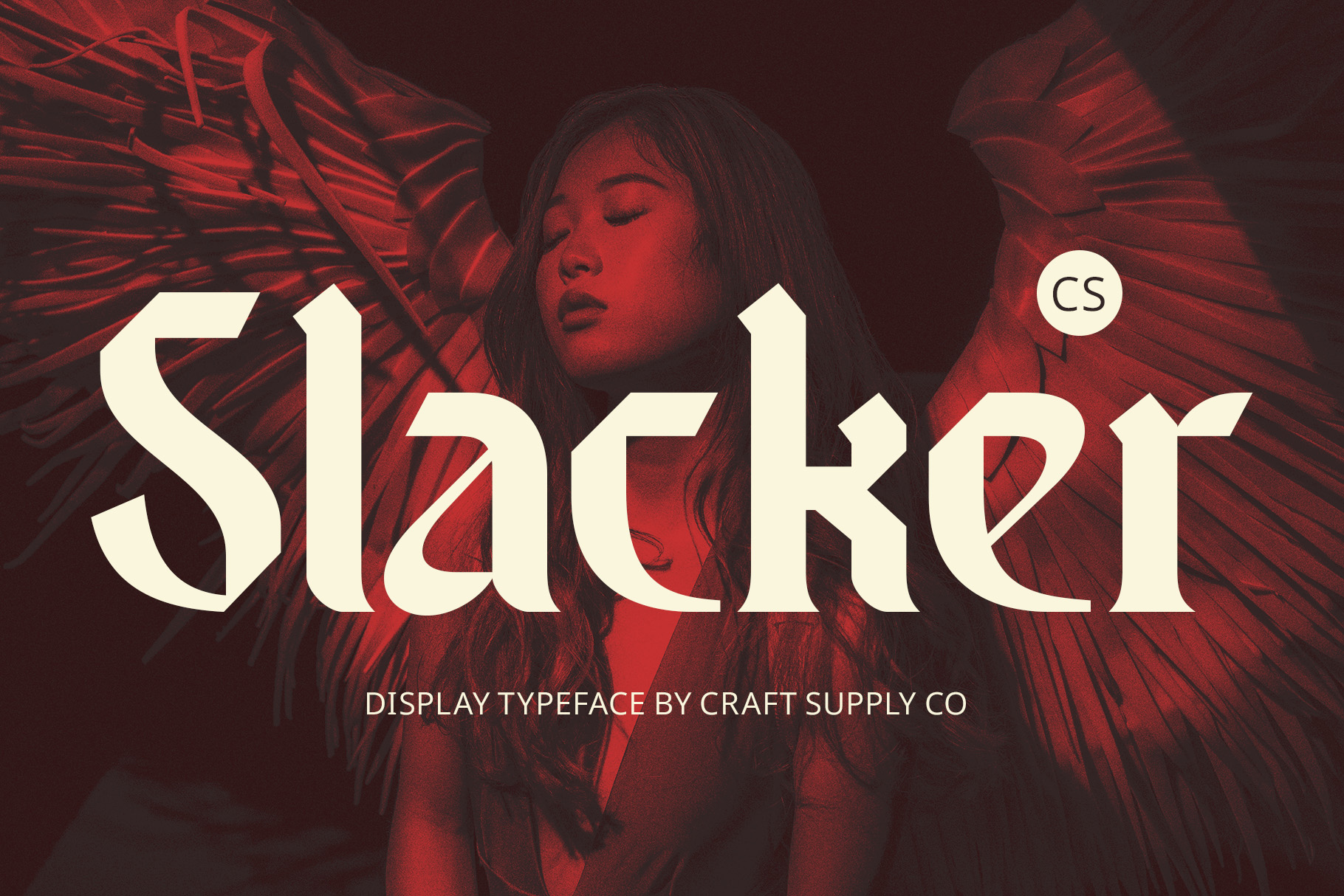
CS Slacker brings a more casual and expressive attitude to blackletter typography. It can be useful when traditional Gothic lettering needs to feel less formal and more connected to contemporary street culture or alternative design.
Consider using Slacker for T-shirt graphics, skate-inspired branding, posters, music artwork, stickers, and merchandise. Its blackletter foundation gives the design a Gothic connection while allowing for a more relaxed visual direction.
8. CS Lamprey Black Metal Font
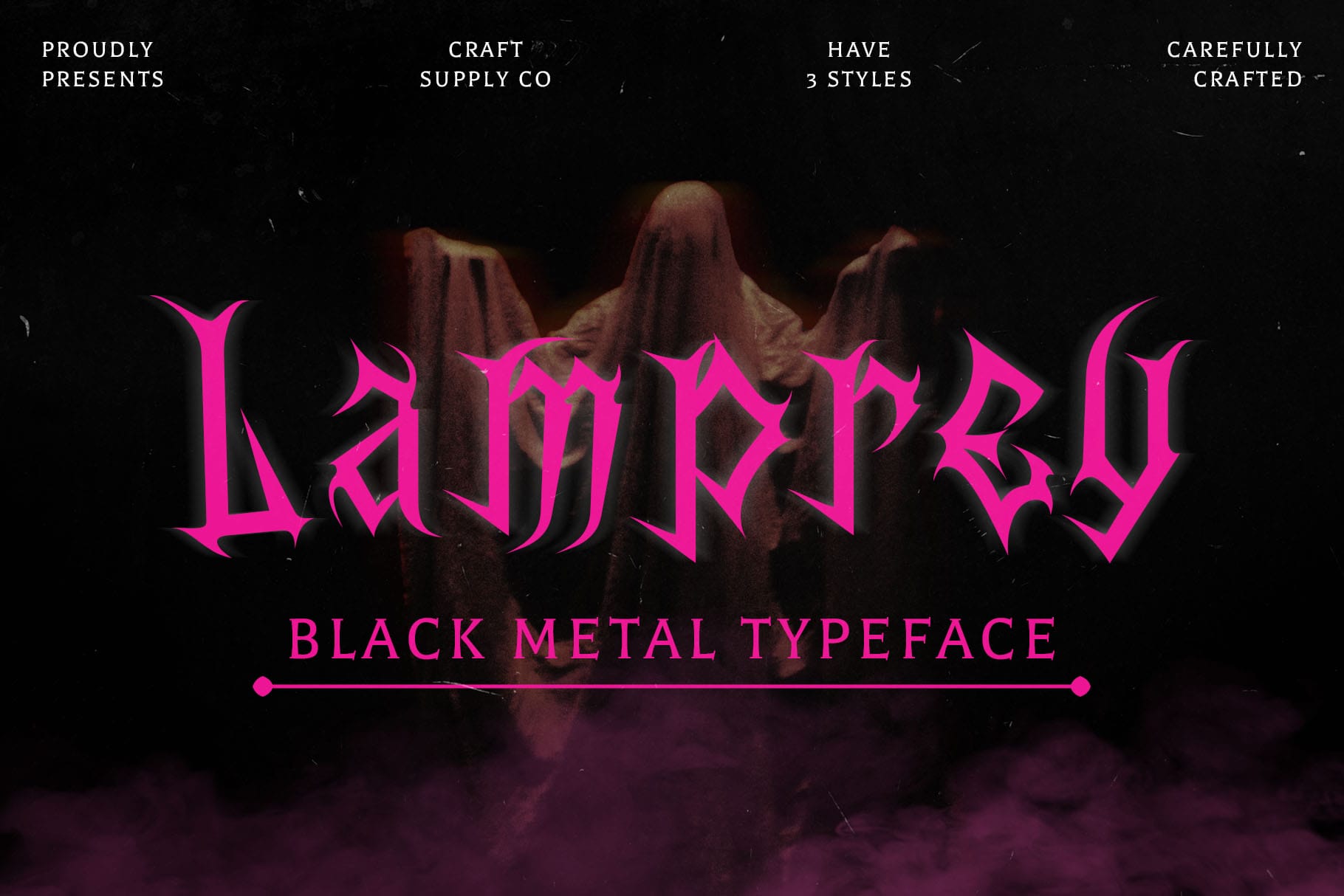
For a darker and more intense visual direction, CS Lamprey offers a black metal-inspired alternative. This type of typography is especially useful for designs that need an ominous, aggressive, or mysterious atmosphere.
CS Lamprey can work well for metal band artwork, album covers, concert posters, dark apparel, horror-inspired graphics, and alternative merchandise. Because highly intricate metal typography can be difficult to read at small sizes, use it primarily for prominent display text.
9. CS Baxter Blackletter Font
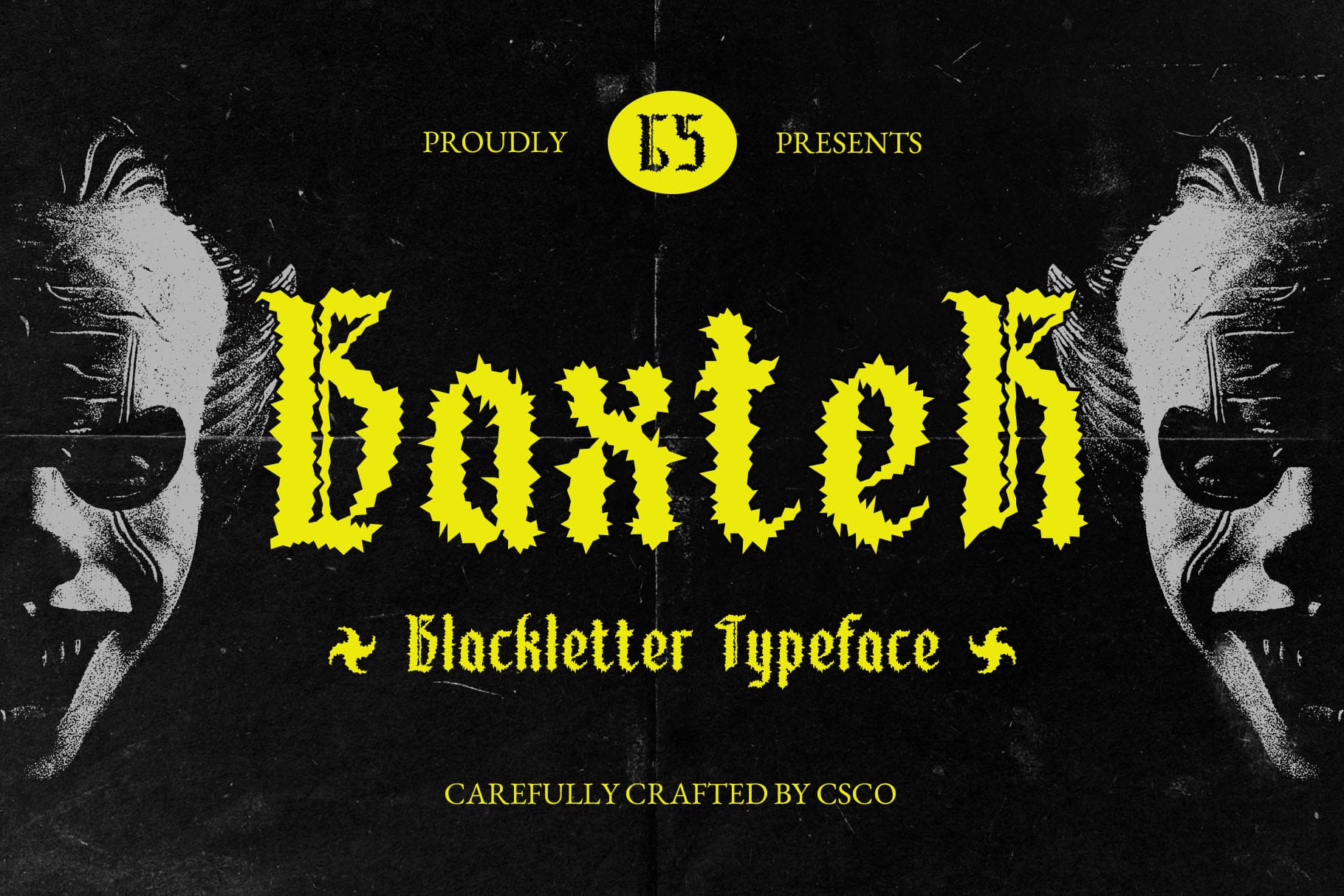
CS Baxter is another option for a strong blackletter aesthetic. It can help establish a bold historical character while remaining suitable for modern graphic applications such as logos, apparel, packaging, and posters.
Use Baxter when you want your typography to have a commanding presence. It can be paired with a minimalist layout to create contrast between elaborate lettering and clean surrounding elements.
10. CS Whistle Black Metal Font

CS Whistle provides another dark and expressive direction for designers interested in black metal-inspired typography. It can help create a mysterious and intense visual identity for music, fashion, entertainment, and alternative creative projects.
Use it for album artwork, band branding, concert posters, apparel, merchandise, or dark-themed promotional graphics. Keep supporting typography simple so that the main display lettering remains the visual focus.
How to Choose the Right Gothic Font Alternative
The best font alternative Gothic style depends on the mood and purpose of your project. Gothic typography can communicate very different ideas depending on the specific design.
Traditional Gothic
If you want a historical or classic appearance, blackletter fonts such as CS Alore, CS Bulma, CS Aither, and CS Baxter can provide a strong foundation. These styles are useful for designs inspired by traditional lettering, heritage, and historical aesthetics.
Vintage Gothic
For a worn or antique appearance, consider combining Gothic typography with vintage textures. Ludowise Stamp Vintage can introduce a stamped quality that works well for old-fashioned branding, packaging, labels, and merchandise.
Modern Gothic
Modern Gothic designs can combine traditional blackletter structures with rough or experimental treatments. CS Noisy and CS Slacker can help create a more contemporary appearance suitable for streetwear, alternative branding, and music graphics.
Black Metal Gothic
When the design needs to feel darker and more extreme, black metal-inspired typography can be an effective choice. CS Lamprey and CS Whistle are suitable directions for album artwork, band identities, concert posters, and dark fashion graphics.
Where to Use Gothic Fonts
Gothic fonts are particularly effective in display applications where typography has enough space to make an impact. Consider using them in the following projects:
- Gothic logos and wordmarks
- Band and music branding
- Album covers
- Concert posters
- Streetwear graphics
- T-shirt designs
- Book covers
- Vintage packaging
- Labels and badges
- Tattoo-inspired artwork
- Event invitations
- Alternative fashion branding
- Posters and promotional artwork
Gothic Font Pairing Tips
Gothic fonts are often highly decorative, so pairing them with a simple supporting typeface is one of the easiest ways to maintain readability. Use the Gothic font for the logo, title, or headline and select a clean serif or sans serif for secondary information.
For example, a blackletter logo can be paired with a minimalist sans serif for a modern fashion brand. Similarly, a black metal-inspired title can be combined with a straightforward typeface for concert dates, track listings, or other supporting information.
Another approach is to use different weights and sizes rather than introducing several decorative fonts. A strong Gothic display font can remain the primary visual element while spacing, size, and alignment create the rest of the hierarchy.
How to Make a Gothic Design Feel Modern
Although Gothic typography has historical roots, it does not have to look old-fashioned. Modern layouts can make traditional lettering feel fresh and contemporary.
Try placing a Gothic display font inside a clean composition with generous negative space. Minimal colors, simple geometric shapes, contemporary photography, and modern layouts can create an interesting contrast with elaborate blackletter forms.
You can also experiment with oversized lettering, cropped typography, unexpected alignment, or subtle texture. The key is to let the Gothic font remain recognizable while using the overall composition to give it a contemporary context.
Common Mistakes When Using Gothic Fonts
One of the most common mistakes is using an elaborate Gothic font for too much text. Blackletter and black metal fonts can become difficult to read when used in long paragraphs. Reserve them for titles, logos, headlines, and short phrases whenever possible.
Another mistake is choosing a Gothic font without considering the project’s personality. A traditional blackletter style may be ideal for heritage branding but unsuitable for a modern technology company. Likewise, an extreme black metal font may be too intense for a refined vintage design.
It is also easy to overdecorate a Gothic composition. Gothic typography already contains strong visual details, so additional ornaments, textures, patterns, and illustrations should be used carefully. A simpler surrounding layout can make the lettering much more powerful.
Finding the right font alternative Gothic style gives you many creative possibilities beyond traditional blackletter. Whether you need historical lettering, vintage texture, handcrafted character, or a darker black metal aesthetic, the right typeface can define the mood of the entire design.
CS Alore, CS Bulma, CS Aither, and CS Baxter are useful directions for classic blackletter projects, while Ludowise offers a vintage stamped approach. CS Noisy, CS Alyona, and CS Slacker can introduce a more experimental character, while CS Lamprey and CS Whistle are suitable for darker black metal-inspired designs.
Before choosing your final font, test it with your actual logo, headline, artwork, and supporting information. A successful Gothic design should balance visual impact with readability and create a consistent identity across every application.
For more typography inspiration and creative lettering projects, explore Craft Supply Co on Behance.