
A signature is more than a way to write your name. It can become a personal mark that reflects your identity, creativity, and style. Whether you are brainstorming signature ideas for name layouts or need a signature for professional documents, personal correspondence, artwork, digital content, or a creative project, finding the right style can help you create a distinctive and memorable result.
Some signature ideas for name use elegant flowing strokes, while others feature bold initials, minimalist lettering, or artistic flourishes. The best signature style depends on your name, the impression you want to create, and how you plan to use it. A professional signature may prioritize clarity and consistency, while an artistic signature can explore more expressive shapes and decorative details.
If you are looking for signature ideas for name, this guide will help you explore different styles, practice techniques, and typography inspiration. For additional creative lettering and design references, explore Craft Supply Co.
Creative Signature Ideas for Name Styles
Elegant and Flowing Signature Styles
Elegant signatures use smooth lines, connected letters, and carefully placed flourishes. They can create a graceful impression without requiring excessive decoration. This style works well for people who prefer a polished handwritten appearance for personal stationery, creative projects, or professional branding.
- Full name written in flowing cursive
- First name with an extended final stroke
- Initials connected by a sweeping line
- First initial followed by a graceful surname
- Slanted lettering with subtle flourishes
- Minimal cursive with a clean underline
Professional and Simple Signature Styles
A professional signature should feel natural to write and easy to reproduce. Instead of adding many decorative details, focus on consistent letter shapes, balanced spacing, and a clear overall structure. This approach is particularly useful for documents that require frequent signing.
- Full name in clean, connected handwriting
- First initial followed by the full surname
- First and last initials with a simple line
- Readable first name with a compact surname
- Simple handwritten name with a slight right slant
- Minimal signature with one distinctive letter
Modern and Minimalist Signature Styles
Minimalist signatures rely on simplicity rather than elaborate decoration. They often use fewer strokes, compact lettering, and deliberate spacing. This style can suit contemporary personal branding, digital artwork, and people who prefer a clean visual identity.
- Compact initials with geometric shapes
- Lowercase name with a continuous stroke
- Shortened first name and surname initial
- Simple monogram with overlapping letters
- Small signature with an extended opening stroke
- Clean lettering with a single accent flourish
Bold and Distinctive Signature Styles
A bold signature emphasizes character and visual impact. Larger initials, strong strokes, and contrasting letter sizes can make a signature easier to recognize. The goal is to create a distinctive mark that still feels comfortable to write repeatedly.
- Large first initial followed by smaller letters
- Bold surname with a compact first name
- Angular lettering with sharp finishing strokes
- Oversized initials with a short underline
- Strong upward stroke at the beginning
- Expressive lettering with a distinctive final loop
Artistic and Decorative Signature Styles
Artistic signatures give you more freedom to experiment with lettering, movement, and composition. They can be useful for creative portfolios, illustrations, personal logos, and decorative projects. Keep the main letterforms recognizable so the signature remains connected to your name.
- Signature with a circular opening flourish
- Handwritten name with a sweeping underline
- Initials woven into a continuous line
- Calligraphic lettering with contrasting strokes
- Signature ending in a long curved tail
- Stylized monogram with decorative loops
How to Create a Signature That Fits Your Name
The most effective signature begins with your own signature ideas for name and develops through experimentation. You do not need advanced calligraphy skills to create a distinctive result. Start with a few basic variations, compare how they look, and refine the version that feels most natural.
Start With Your Full Name
Write your first and last name several times using your normal handwriting. Notice which letters naturally connect and which ones create interesting shapes. Your existing handwriting provides a practical starting point because a signature should feel comfortable rather than forced.
Experiment With Your Initials
Initials can create a compact signature, especially when your full name is long. Try enlarging the first letter, connecting two initials, or using the first initial followed by a shortened version of your surname. Test several arrangements before choosing the most balanced design.
Choose a Signature Direction
Decide whether you want your signature to look elegant, professional, modern, bold, or artistic. A clear direction helps you avoid adding decorative elements that do not support the overall design. For example, a minimalist signature may need only one distinctive letter, while an artistic signature may benefit from a carefully placed flourish.
Practice Consistency
A signature becomes more useful when you can reproduce it naturally. Practice your preferred design on paper and pay attention to its rhythm, spacing, and overall proportions. Avoid making the signature so complicated that it becomes difficult to repeat consistently.
Consider Where You Will Use It
Think about whether you need a signature for everyday documents, a digital portfolio, a personal logo, or creative artwork. A signature used for official documents should prioritize consistency and suitability for the relevant requirements. A decorative signature for artwork or branding can allow more experimentation.
10 Font Alternatives for Signature Inspired Design
Typography can help you explore different signature aesthetics, especially when you are developing a personal logo, invitation, portfolio, packaging design, or creative project. Handwritten script fonts can suggest flowing penmanship, while drawn and experimental styles can introduce a more expressive visual character.
The following font alternatives from Craft Supply Co provide different directions to consider. A font can inspire your signature ideas for name appearance, but a typeface based design is not the same as your own handwritten signature.
1. CS Sonya Signature Font

CS Sonya Signature Font is a natural starting point for exploring signature inspired lettering. It may suit personal branding, name based logos, creative portfolios, and designs that call for a handwritten aesthetic. Consider how the letter connections and overall flow work with your name before using the font in a finished design.
2. CS Shasta Handwritten Script Font

CS Shasta Handwritten Script Font is worth exploring if you want a handwritten script direction. Script typography can create a personal and expressive impression in invitations, stationery, and branding materials. Pair it with a simple supporting font when your design also needs clear headings or detailed text.
3. CS Amilia Handwritten Script Font

CS Amilia Handwritten Script Font offers another option for projects that benefit from handwritten lettering. It may work well for name based designs, greeting cards, personal branding, or decorative headings. Test your name in different sizes and layouts to determine whether the lettering remains balanced and readable.
4. CS Salvia Drawn

CS Salvia Drawn is an option to consider for more expressive, drawn style typography. It can support creative name treatments, illustrated wordmarks, or decorative personal branding. Use it as a source of visual inspiration when experimenting with distinctive letter shapes and compositions.
5. CS Sarah Pixel
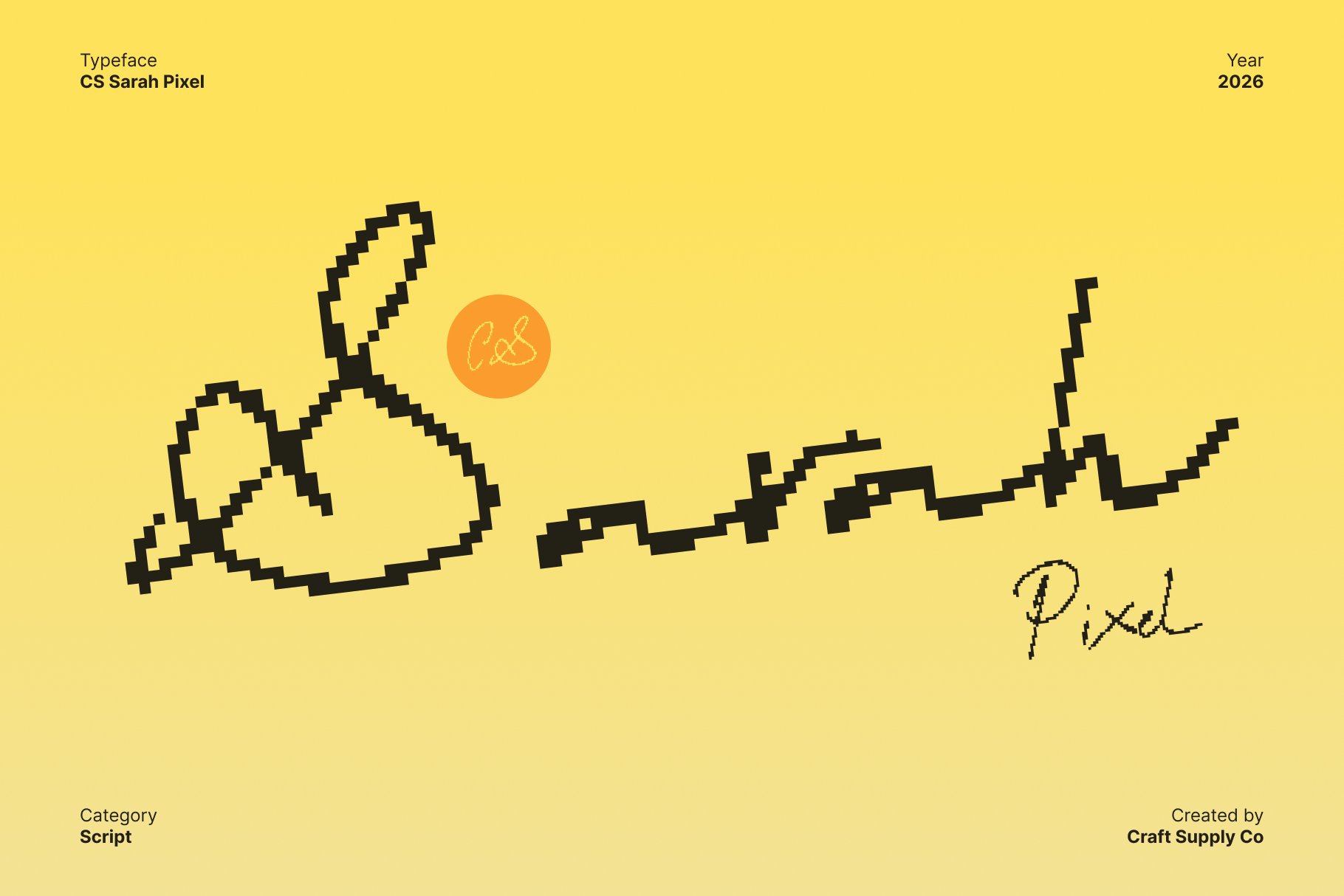
CS Sarah Pixel provides a different direction for digital inspired lettering. It may suit experimental graphics, gaming related projects, digital artwork, or a signature concept that deliberately moves away from traditional handwriting. Consider this style when your goal is a distinctive visual mark rather than a conventional handwritten appearance.
6. CS Sarah Drawn

CS Sarah Drawn is worth exploring for projects that need a drawn typographic character. It can be considered for creative name graphics, personal portfolio elements, and expressive visual identities. Combine it with clean layout choices so the lettering remains the main focus of the composition.
7. CS Baylora Drawn

CS Baylora Drawn offers another direction for artistic name styling. Drawn typography can add personality to posters, creative stationery, and personal branding projects. Try different color combinations and spacing arrangements to see how the lettering works within your intended design.
8. CS Bonjour Drawn

CS Bonjour Drawn can be considered for decorative lettering that gives a project a more expressive identity. It may suit greeting cards, creative merchandise, name graphics, or visual compositions that need a distinctive typographic element. Keep other design elements restrained when using a more characterful display style.
9. CS Baylora Dashed
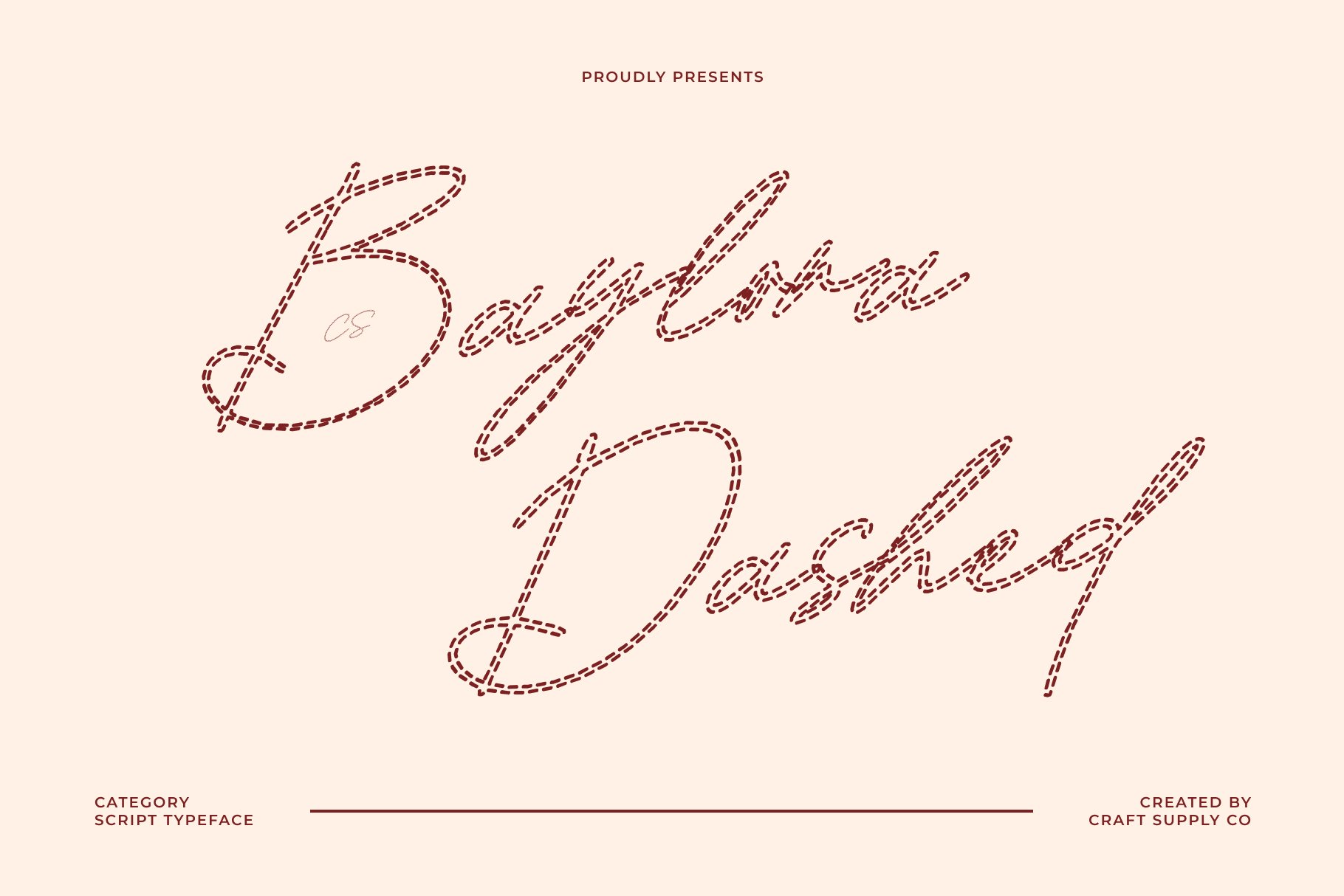
CS Baylora Dashed is an alternative for exploring a more unconventional typographic treatment. Its dashed naming suggests a style direction that could be interesting for experimental graphics or decorative design concepts. Preview the font in your chosen application to understand how its actual letterforms work with your name.
10. CS Salvia Disco

CS Salvia Disco offers a more expressive direction to explore for creative lettering projects. It may be suitable for statement graphics, playful personal branding, or designs that call for a distinctive display style. Consider using it for decorative applications rather than documents that require a conventional handwritten signature.
Tips for Designing a Distinctive Signature
Focus on One Memorable Detail
A signature does not need many flourishes to stand out. A distinctive initial, an unusual connection between two letters, or a carefully shaped finishing stroke can provide enough personality. Choose one or two features that make your signature recognizable without making it difficult to reproduce.
Balance Readability and Individuality
Some signatures prioritize readability, while others use stylized letterforms that make the name less obvious. Decide how much clarity you need for your intended use. For everyday documents, keep enough recognizable structure to distinguish your signature from other marks. For creative projects, you can experiment more freely.
Test Different Writing Tools
The writing tool can affect how your signature looks and feels. A fine tip pen may create precise lines, while a broader pen can emphasize thick and thin strokes. Try different tools and paper surfaces to find a combination that supports your natural writing movement.
Keep Digital and Handwritten Versions Distinct
A font-based signature graphic can be useful for visual design, but it should not automatically replace a handwritten signature where an authentic or legally accepted signature is required. If you need a digital signature for official purposes, follow the relevant platform’s instructions and applicable requirements.
Practice your chosen signature until you can reproduce it comfortably, and consider the context in which you will use it. If you are creating a personal logo or other design project, typography can also help you explore new visual possibilities. For more lettering and branding inspiration, visit Craft Supply Co.