
Choosing an author pen name is an exciting step in developing your identity as a writer. Whether you are preparing to publish your first novel, launching a poetry collection, writing under a different name for privacy, or building a recognizable author brand, the right pseudonym can help you express your creative personality. If you are searching for ideas for an author pen name, start by considering your genre, writing style, and the impression you want readers to remember.
A author pen name can feel elegant, mysterious, modern, whimsical, or adventurous. Some writers prefer names that sound timeless and literary, while others choose distinctive combinations that fit fantasy, romance, mystery, or contemporary fiction. You can also adapt your initials, use a meaningful middle name, combine family names, or create an entirely fictional identity.

In this guide, you will discover 30 author pen name ideas organized into five categories. You will also learn how to choose a suitable pseudonym and explore ten font alternatives from Craft Supply Co for creating an author logo, book cover, website, or promotional materials.
30 Ideas for an Author Pen Name
Elegant and Literary Pen Names
Elegant names can suit literary fiction, historical novels, reflective essays, and poetry. These combinations have a classic feel that can work well on book covers and author biographies.
- Clara Whitmore
- Evelyn Ashford
- Julian Everleigh
- Vivienne Hartwell
- Theodore Wren
- Adelaide Monroe
Mysterious and Atmospheric Author Names
If you write mystery, suspense, gothic fiction, or psychological thrillers, a slightly enigmatic name may complement the atmosphere of your work. Consider these options for a distinctive literary identity.
- Raven Blackwood
- Silas Nightingale
- Elara Graves
- Morgan Vale
- Rowan Dusk
- Victor Holloway
Modern and Minimalist Pen Names
Short, contemporary names can be memorable and flexible. They may suit contemporary fiction, romance, nonfiction, lifestyle writing, or authors who want a clean and straightforward identity.
- Alex Rowan
- Jamie Ellis
- Taylor Brooks
- Casey Morgan
- Riley Bennett
- Jordan Blake
Whimsical and Fantasy-Inspired Pen Names
Fantasy, fairy tales, magical realism, and imaginative fiction often benefit from names that sound unusual or evocative. These suggestions offer a more whimsical direction for writers creating fictional worlds.
- Lyra Moonvale
- Orion Silverleaf
- Seren Starling
- Aurelia Mistwood
- Finnian Evermere
- Willow Frostmere
Bold and Memorable Author Pen Names
If you want your name to feel distinctive on a book cover or promotional poster, consider a combination with a strong rhythm and clear spelling. These ideas can inspire writers across contemporary fiction, adventure, romance, and creative nonfiction.
- Max Sterling
- Scarlett Voss
- Roman Archer
- Blair Kensington
- Dorian Cross
- Sienna West
How to Choose the Right Author Pen Name
A good pen name should fit your writing identity while remaining practical to use. Before settling on one, think about the kinds of books you plan to publish, how readers might remember your name, and whether you want to connect the pseudonym to your existing identity.
1. Match the Name to Your Genre
Your literary category provides direct thematic guidance, so analyzing the specific author pen name conventions of best selling writers helps you blend into your target marketplace naturally. Consequently, an epic fantasy author might adopt a highly imaginative combination, whereas a contemporary thriller novelist frequently chooses sharp first and middle initials to immediately convey suspense. However, you must prioritize the overarching visual tone of your upcoming book cover design before committing, matching the lettering to user expectations.
2. Experiment With Your Existing Name
You do not always need to invent an author pen name from scratch, as playing with your biological initials or adopting a heritage family name often produces a balanced results. Specifically, dropping your legal surname in favor of a fictional choice or changing the sequence of your middle names creates a great professional separation. In contrast to picking a completely alien handle, utilizing a variant of your real name allows you to easily recognize your own name when called upon at live conferences or book signings.
3. Prioritize Pronunciation and Memorability
A highly successful author pen name must remain incredibly simple for readers to spell, remember, and talk about online without running into unexpected phonetic confusion. Indeed, testing a shortlist of names by reading them aloud to writing groups reveals hidden mouth feel problems and structural flaws before public release. Therefore, keeping your pseudonym concise ideally around three syllables prevents alienating prospective buyers who want to search for your work on digital bookstore databases
4. Consider Privacy and Professional Use
Many novelists launch an author pen name to shield their families, isolate risqué content, or protect a daytime corporate job from their creative writing endeavors. Seemingly, maintaining distinct digital personas grants you total creative freedom to write across multiple genres without confusing your core audience. However, remember that using a fake name does not shield your legal liability or hide your true identity from publishing contracts, tax authorities, and legal copyright registrations.
5. Check Name Availability
Before finalizing an author pen name, you must thoroughly research existing digital platforms to prevent catastrophic data mix ups or trademark infringement lawsuits. Ultimately, securing clean, identical handles across major social networks and purchasing the exact domain name protects your expanding author platform. Heretofore, you must completely avoid names that replicate living public figures or famous celebrities like Taylor Swift, ensuring your website remains the top result when readers search for your books.
Tips for Creating a Unique Author Pseudonym
When crafting a successful pseudonym, you can create a highly memorable identity by combining deeply meaningful words from nature, literature, or personal memories. For instance, writers who draw inspiration from organic landscapes might experiment with short, evocative surnames containing words like Wren, Ash, Vale, or Wood. Therefore, you should always aim for a cohesive word shape that carries an implicit story, helping your final brand identity feel tightly connected to the overarching emotional tone of your creative writing.
However, remember to preview these combinations early on a simple book cover mockup, checking how the lettering performs in small bookstore thumbnail dimensions before committing to a permanent rebrand. Consequently, testing your real or fictional initials alongside a strong surname allows you to separate different pen names cleanly if you plan to write across multiple contrasting genres.
10 Font Alternatives for Author Branding
Typography helps communicate an author’s personality before readers begin the first page. A whimsical font may suit imaginative fiction, while an elegant serif can support a literary identity. The following alternatives from Craft Supply Co offer different visual directions for author logos, book covers, websites, reading journals, and promotional graphics.
1. CS Bethie Whimsical Font

CS Bethie Whimsical Font is an option to explore for authors who want a playful and imaginative visual identity. It may suit fantasy stories, children’s literature, fairy tales, or creative projects with a lighthearted atmosphere. Try it for a cover title or decorative author logo, and pair it with a simple supporting typeface to preserve readability.
2. CS Selyra Stamp

CS Selyra Stamp offers a stamp inspired direction for authors interested in a tactile, vintage oriented look. Consider it for historical fiction, independent publishing projects, bookplate designs, or promotional graphics that draw on archival aesthetics. It can help create a recognizable display treatment when used consistently across selected materials.
3. CS Bernia Modern Serif Font

CS Bernia Modern Serif Font is worth exploring for a refined author identity. A modern serif style can work well for literary fiction, essays, poetry, and contemporary novels that call for an editorial presentation. Use it for the author’s name or book title, then choose a highly readable typeface for longer descriptions.
4. CS Resline Paintbrush Font

CS Resline Paintbrush Font offers a brush inspired typographic direction for expressive author branding. It may be worth testing for poetry, personal essays, creative journals, or books with an artistic visual theme. Use it selectively for a title or signature style element so the overall cover remains clear and balanced.
5. CS Bishey Paintbrush Font

CS Bishey Paintbrush Font is another option to consider when you want an expressive, hand painted appearance. Explore it for creative nonfiction, artistic projects, or author graphics that benefit from a more personal feel. Test it alongside your chosen color palette to ensure that the lettering remains readable against the background.
6. CS Sivert Paintbrush Font

CS Sivert Paintbrush Font offers a further brush style option for a distinctive display treatment. It may suit book covers, promotional posters, or social media graphics for authors whose visual identity leans toward expressive design. Consider pairing it with restrained supporting typography to keep the author’s name and title easy to identify.
7. CS Aerin Modern Serif Font

CS Aerin Modern Serif Font is worth exploring for a contemporary yet refined author brand. It can be tested on literary book covers, author websites, reading lists, or promotional materials where typography needs to feel polished. Use consistent spacing and a clear hierarchy to help the author’s name stand out without competing with the book title.
8. Aldercy Semipixel

Aldercy Semipixel is an option for authors exploring digital inspired or experimental typography. It may suit science fiction, gaming related fiction, futuristic stories, or projects that use a technology driven visual identity. Test it at different sizes and keep supporting text simple so readers can identify the title and author quickly.
9. CS Cornel Reverse Contrast Font

CS Cornel Reverse Contrast Font offers a distinctive display direction for authors who want their branding to feel visually unusual. Consider it for bold book cover typography, experimental fiction, or a creative publishing identity. Since a distinctive display style can attract attention, use it carefully and prioritize legibility in smaller applications.
10. CS Reiko Reverse Contrast Font
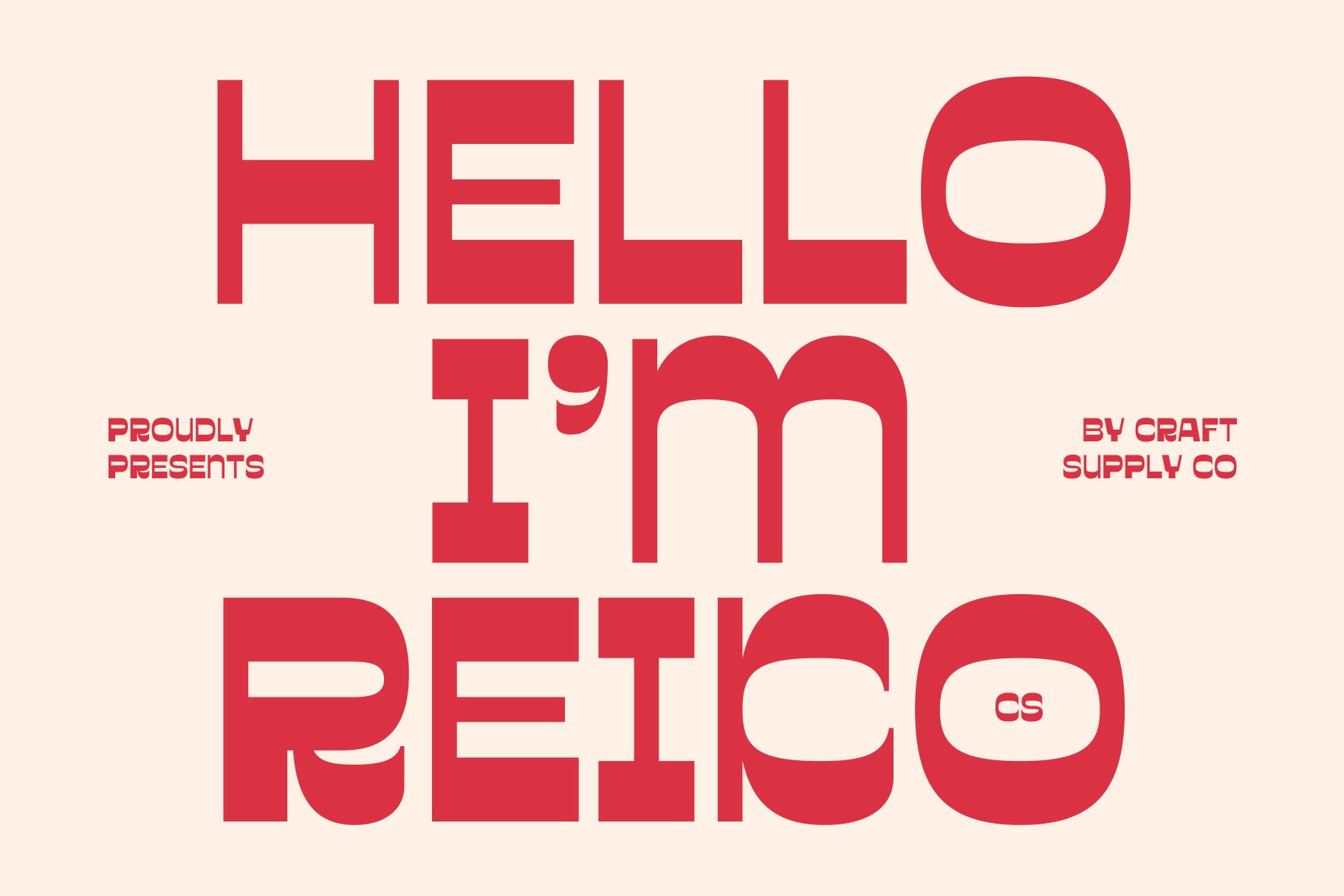
CS Reiko Reverse Contrast Font is another option for a more expressive typographic identity. Explore it for contemporary novels, stylized author logos, or promotional designs that need a strong visual focal point. Compare it with simpler typefaces and check how the name appears in both print and digital formats before choosing a final direction.
How to Build a Consistent Author Brand
Building a powerful author platform requires launching a flexible, two font typography system that readers can instantly recognize across your books and digital channels. For instance, you should select one expressive typeface for prominent display lines like your book covers and main website headers paired with a clean, readable font to handle your author biographies and back cover descriptions. Therefore, you must limit your overall typeface choices to keep the design cohesive, subsequently testing how your pen name scales across both massive digital banners and tiny mobile bookstore icons before print production.
Consequently, utilizing dark, atmospheric tones can support a mystery writer’s identity, whereas softer colors suit reflective poetry or whimsical fiction. However, remember to sync this exact visual tone with your author biographies and social media profiles, clearly isolating individual projects if you write under multiple pseudonyms so your readers can easily navigate your expanding library. Furthermore, you can explore design assets from Craft Supply Co to help establish this cohesive presentation across your entire brand.