
A stencil font is a distinctive typeface style recognized by its bold letterforms and intentional gaps that connect enclosed shapes to the surrounding space. Inspired by cut out lettering used in signs, packaging, military markings, and industrial labeling, stencil typography combines a practical appearance with a strong graphic identity. Designers often use it to create bold headlines, rugged branding, packaging, posters, and creative merchandise.
Although stencil font are commonly associated with military and industrial design, they can also work in contemporary branding, editorial layouts, streetwear graphics, and experimental artwork. Depending on the typeface, stencil lettering can feel functional, futuristic, playful, or unconventional. Choosing the right font helps establish the mood while keeping the message clear.
In this guide, we will explain what stencil fonts are, explore their main characteristics, and introduce 10 font alternatives from Craft Supply Co. The selection includes a modern stencil sans serif alongside stamp inspired, monospaced, pixel, rounded, and decorative styles for different creative directions.
What Is a Stencil Font?
A stencil font is a typeface designed to resemble lettering cut into a template. Its defining feature is the use of small gaps or bridges that keep enclosed areas connected to the rest of the stencil. These breaks are particularly noticeable in letters such as A, B, D, O, P, and R, although the exact construction varies by typeface.
Traditional stencil lettering developed from practical applications where letters needed to be transferred onto surfaces using a reusable template. The format became associated with industrial labels, shipping containers, equipment markings, and military-inspired graphics. Today, designers also use stencil typography for its recognizable visual character.
Modern stencil font can look very different from traditional utilitarian lettering. Some use clean geometric shapes, while others introduce rounded edges, distressed textures, or futuristic details. The best choice depends on whether your design needs functional clarity, a rugged appearance, or a more experimental visual identity.
What Makes Stencil Typography Distinctive?
Stencil typography has several characteristics that help it stand out from conventional display fonts. Understanding these features can make it easier to choose a typeface that supports your design goals.
1. Cut Out Letterforms
The defining feature of a traditional stencil font is its bridges: small gaps that connect enclosed letter shapes to the surrounding material. These openings make the letters resemble cut out templates and create a recognizable stencil appearance.
2. Strong Visual Impact
Many stencil fonts use bold strokes and simple shapes, helping headlines remain prominent in a composition. This makes them useful for posters, labels, apparel graphics, and other designs where the typography needs to attract attention.
3. Industrial and Utilitarian Character
Stencil lettering often evokes machinery, equipment labels, shipping marks, and military inspired graphics. Designers can use this association to create a rugged or functional visual identity, although the final impression also depends on color, layout, and supporting imagery.
4. Adaptability Across Styles
Stencil inspired typography can be clean and contemporary or rough and distressed. Rounded shapes, monospaced construction, pixel inspired details, and decorative effects can provide alternative interpretations for projects that do not require a traditional industrial look.
10 Stencil Font Alternatives to Explore
The following fonts offer different directions for stencil inspired and experimental design. Some are directly relevant to stencil typography, while others provide complementary styles for broader creative projects. They are alternatives to explore rather than verified replicas of traditional stencil lettering. Review each font’s actual character shapes and available features before choosing one.
1. Darbots Modern Stencil Sans Serif
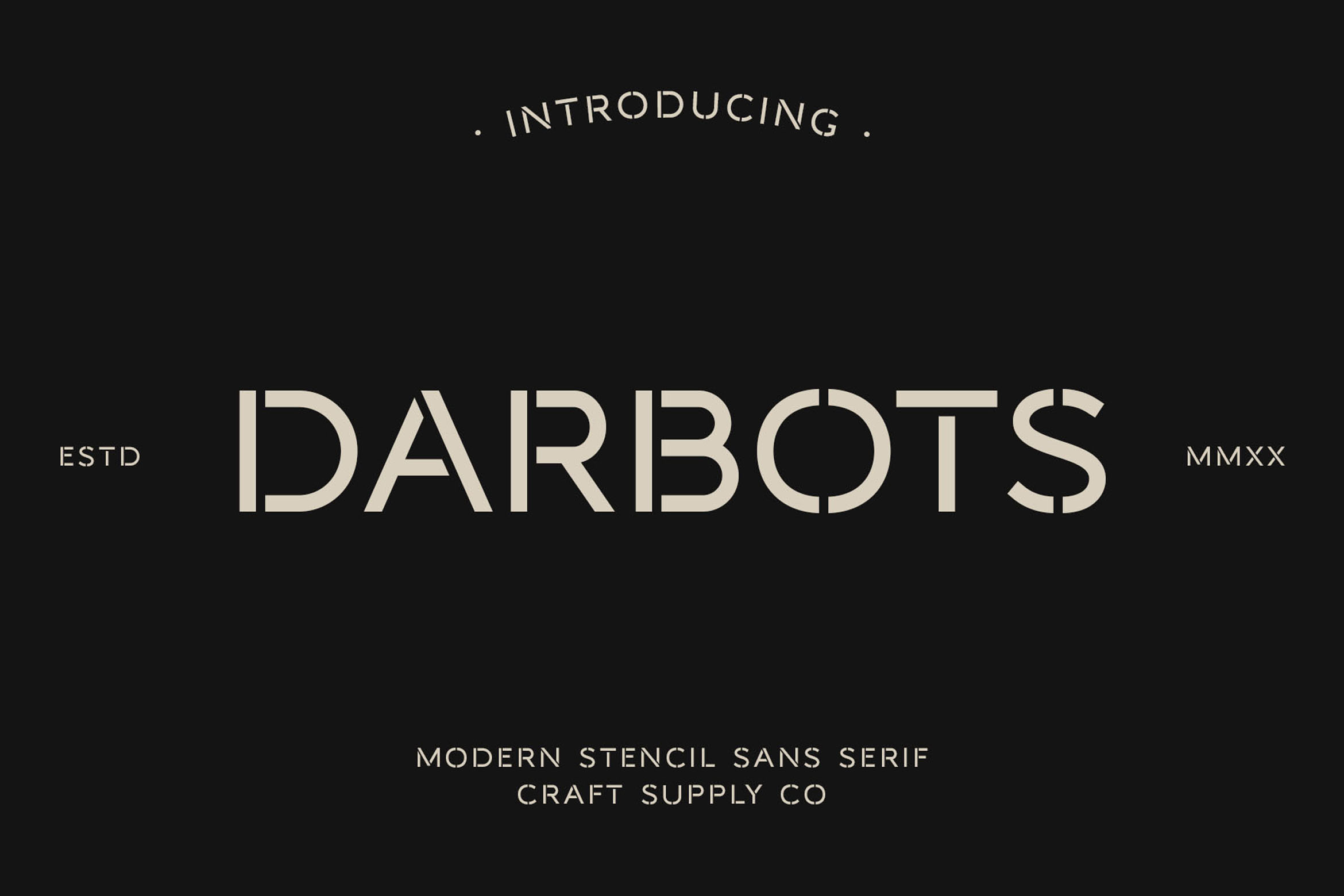
Darbots Modern Stencil Sans Serif is the most directly relevant option in this collection for designers searching for a modern stencil font. Its stencil sans serif classification makes it worth exploring for projects that need the recognizable cut out aesthetic with a contemporary typographic direction.
2. CS Hovan Mono Stamp

CS Hovan Mono Stamp is worth exploring when you want to combine a monospaced visual direction with a stamp inspired treatment. Monospaced lettering uses characters that occupy consistent horizontal spacing, which can help create an orderly, technical appearance. Stamp inspired styling introduces a different visual character that may suit vintage or industrial concepts.
3. Darbots Rounded Pixel
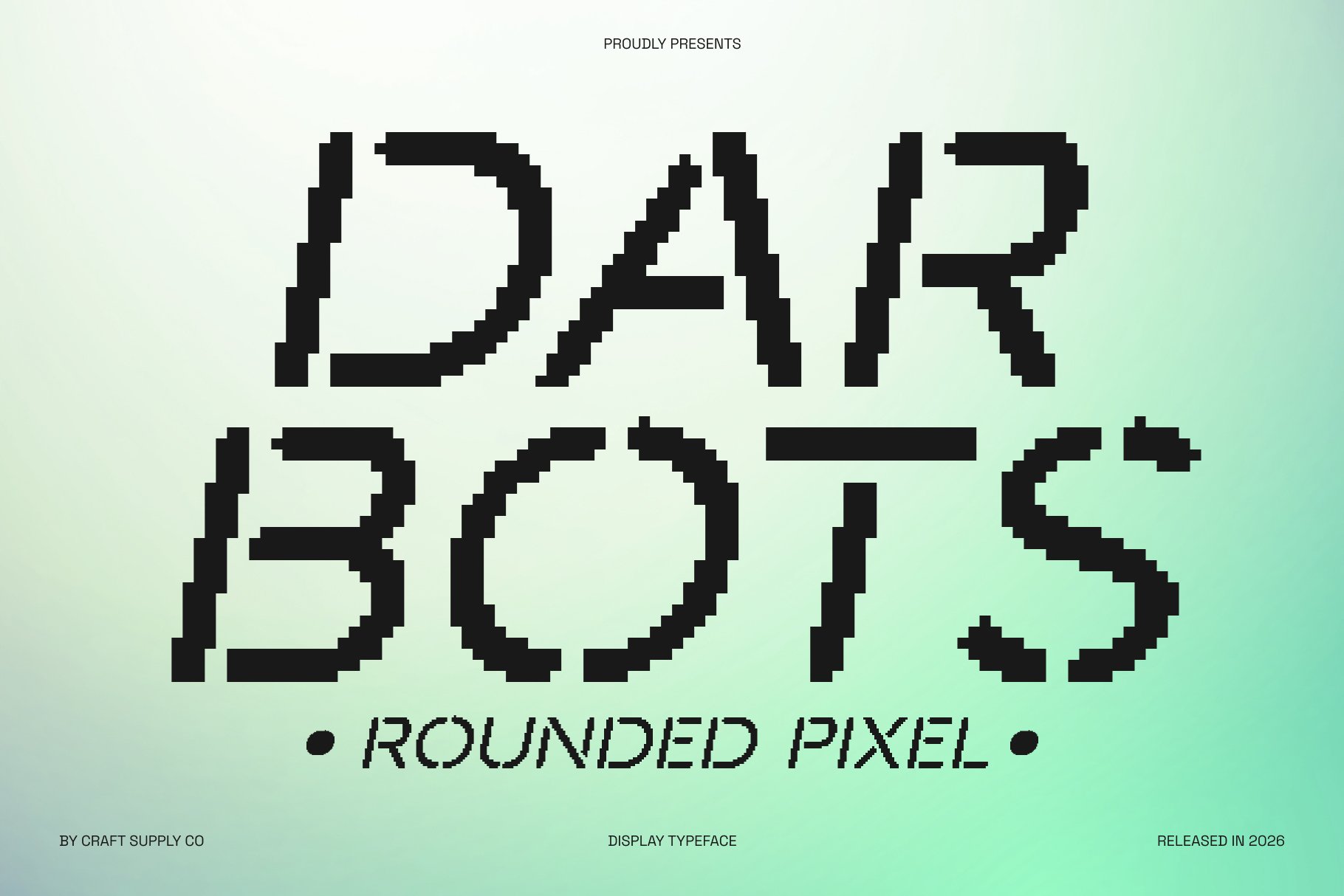
Darbots Rounded Pixel offers a pixel inspired direction with rounded styling. This makes it worth considering for designs that combine digital aesthetics with a softer, more playful typographic appearance.
4. Darbots Rounded Disco
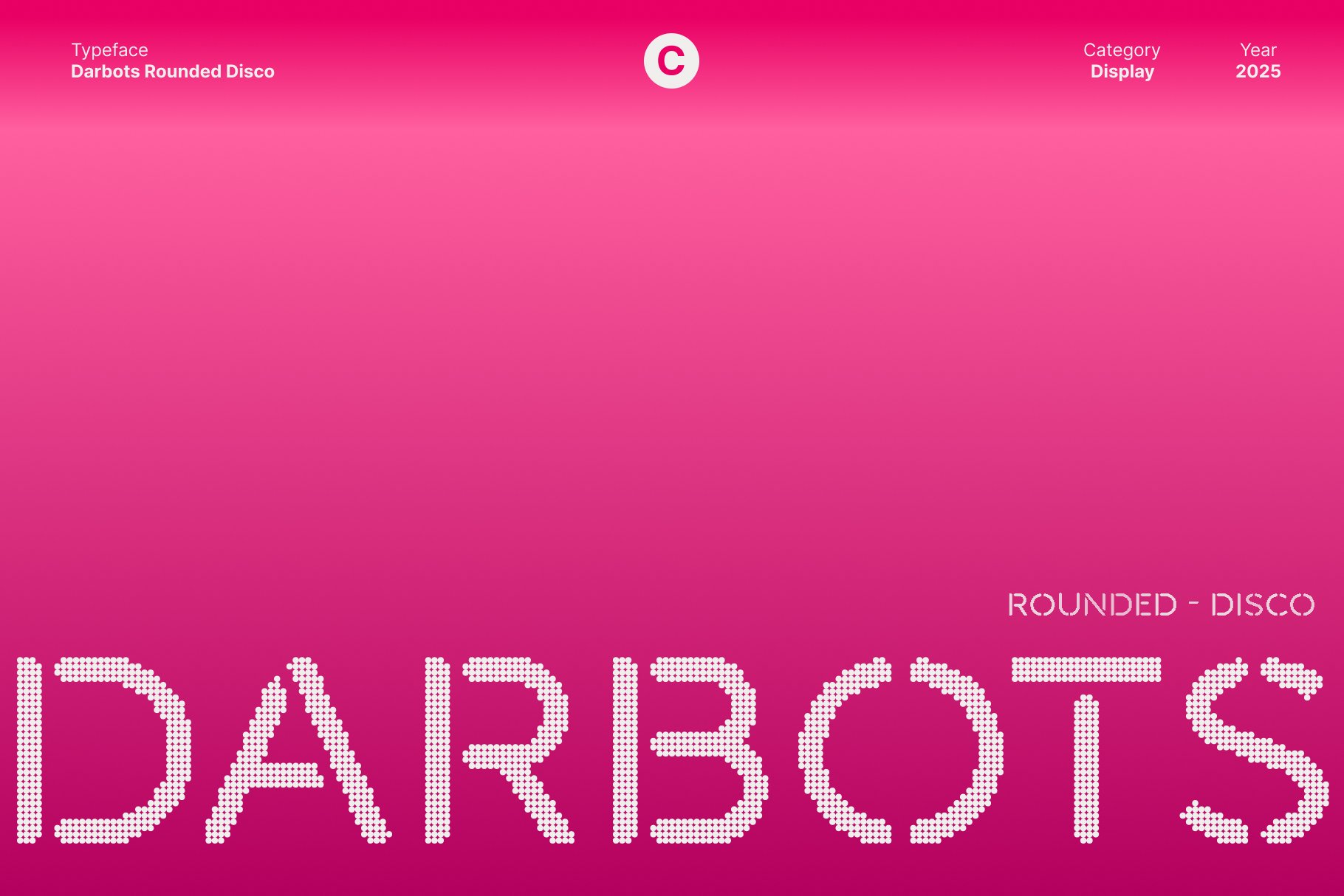
Darbots Rounded Disco introduces a more decorative direction through its rounded and disco inspired styling. This option can be useful when you want to move beyond a strictly industrial appearance and explore a more expressive visual identity.
5. CS Aspire Drawn

CS Aspire Drawn is an alternative to investigate when your project needs a hand drawn typographic character. Drawn lettering can introduce individuality and a less mechanical appearance, creating a useful contrast with the precise construction often associated with stencil fonts.
6. Darbots Rounded 3D Font
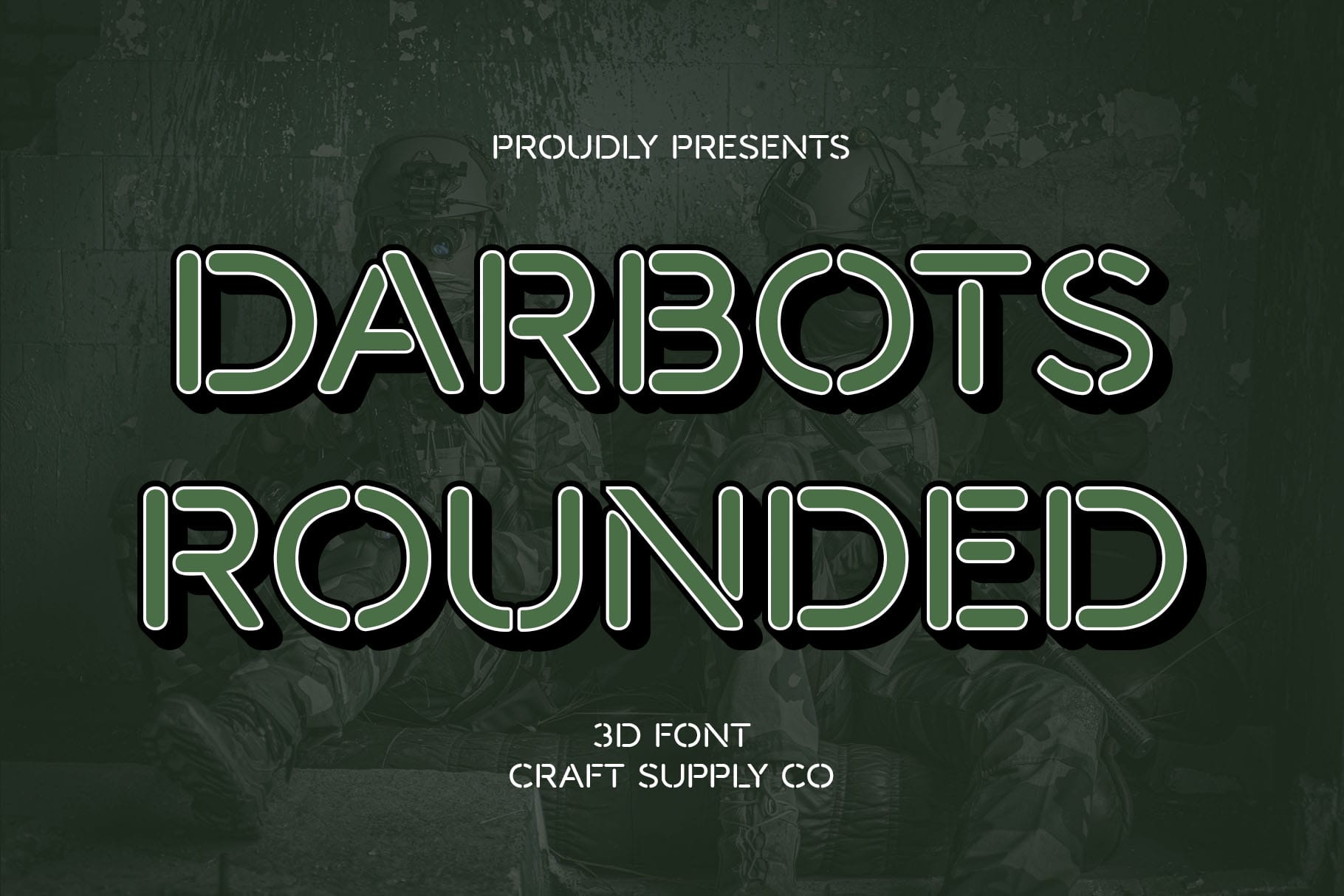
Darbots Rounded 3D Font offers a dimensional display direction that can help create visual depth. Three dimensional lettering differs from traditional stencil construction, but it may suit projects that interpret bold typography through a contemporary or experimental lens.
7. Darbots Rounded Drawn Font
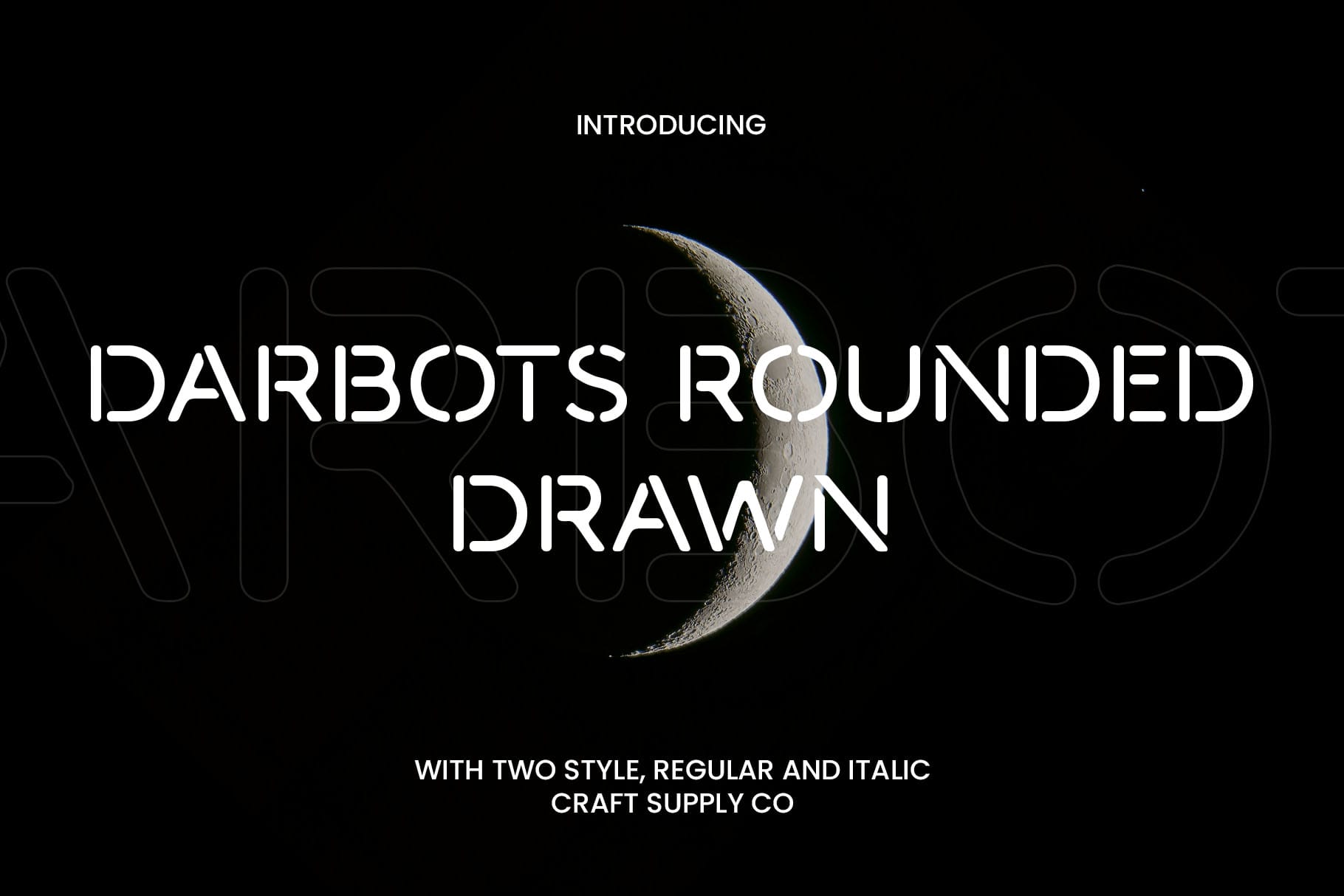
Darbots Rounded Drawn Font is worth exploring for designs that need a rounded, hand drawn visual direction. This combination can provide a softer interpretation of bold typography, especially when the project needs to feel creative rather than strictly utilitarian.
8. CS Hovan Mono Monospaced Font

CS Hovan Mono Monospaced Font is an option to consider for designs that benefit from consistent character spacing. Monospaced typography can evoke technical documents, coding interfaces, equipment labels, and structured information layouts.
9. Liavin Blur Font

Liavin Blur Font offers an experimental direction for designers who want to explore blurred typography. Blur effects can suggest movement, atmosphere, or visual distortion, creating a different mood from the crisp edges of traditional stencil lettering.
10. Darbots Rounded Modern Stencil Font
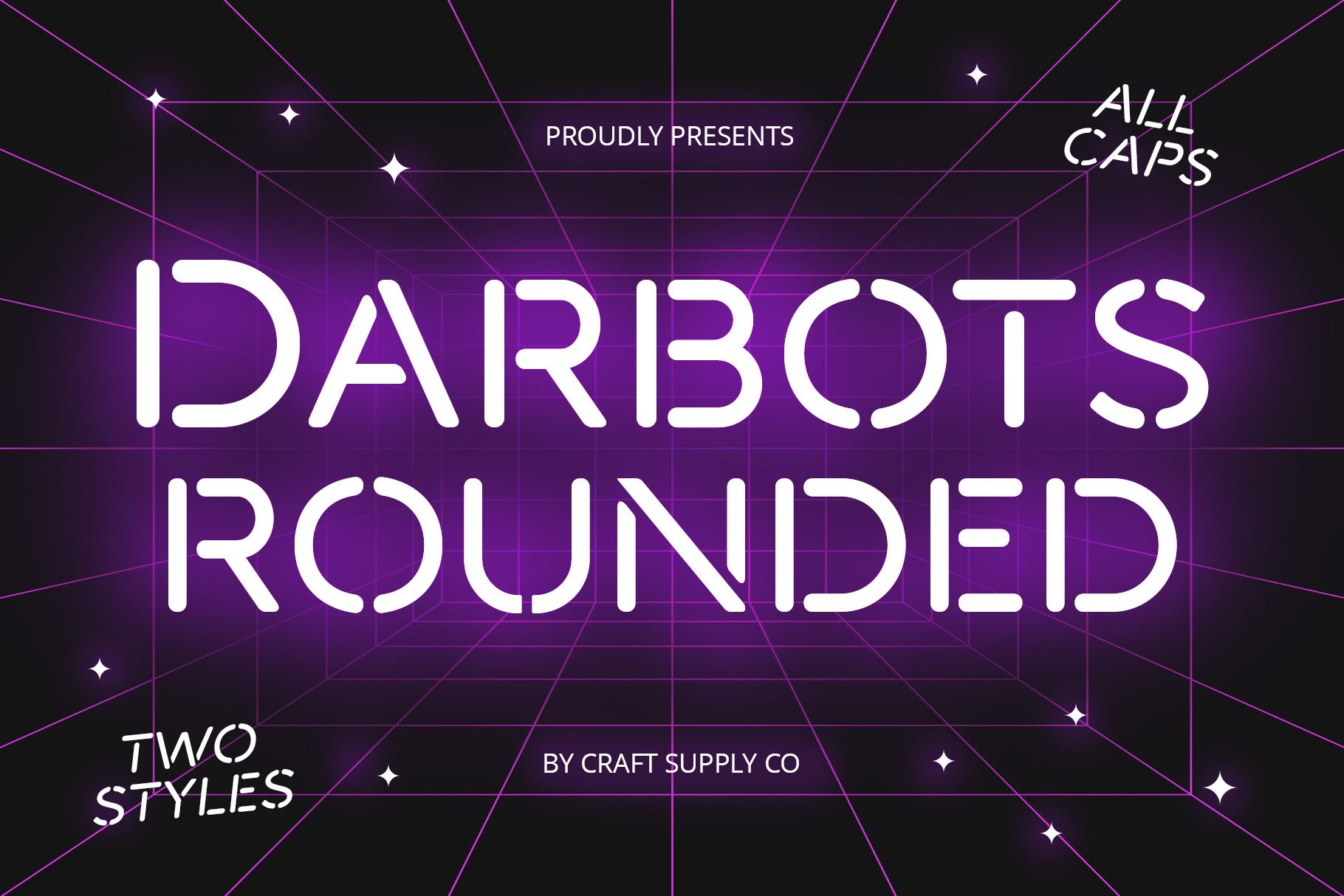
Darbots Rounded Modern Stencil Font is another direct option to explore for stencil inspired designs. Its modern stencil classification and rounded direction make it worth investigating when you want to move away from the sharper, more traditional appearance of industrial stencil lettering.
How to Choose the Right Stencil Font
Selecting the ideal typeface requires matching the font style directly to your project’s specific application and viewing scale before finalizing a creative direction. For instance, traditional stencil lettering reinforces a practical, industrial aesthetic with defined bridges, whereas modern stencil variants incorporate rounded shapes for expressive contemporary graphics. Therefore, you should always preview your text layout at its final intended dimensions to ensure that complex character bridges do not accidentally distort legibility on small product labels, mobile interface elements, or detailed packaging wrappers.
Furthermore, you must establish a highly consistent color palette and pair your typography carefully to maintain a clean visual hierarchy. Consequently, combining utilitarian tones like olive green or charcoal with high contrast backgrounds will elevate your layout while keeping it organized. However, remember to pair your bold stencil headlines with a simple monospaced or sans serif typeface for supporting information, while thoroughly checking the commercial software license early to verify full technical file format and character support.
Where Can You Use Stencil Fonts?
Stencil font are versatile tools for projects that need a strong typographic identity. Depending on the typeface and supporting design elements, they can suit traditional industrial applications or more contemporary creative work.
- Military inspired graphics: Create bold headlines and visual concepts influenced by utilitarian lettering.
- Industrial branding: Develop a strong typographic direction for equipment, tools, workshops, or industrial themed products.
- Apparel and streetwear: Use stencil lettering for T-shirts, hoodies, caps, and merchandise graphics.
- Packaging and labels: Introduce a rugged or functional visual identity through distinctive headlines and label elements.
- Posters and event graphics: Use bold stencil typography to establish a clear focal point.
- Outdoor and adventure branding: Explore utilitarian lettering for camping, hiking, and outdoor lifestyle concepts.
- Digital and experimental art: Combine stencil fonts with pixel, blur, or dimensional effects to create more expressive compositions.
- Editorial layouts: Use stencil lettering as a prominent headline alongside simpler body typography.
For more typography and graphic design inspiration, explore the creative projects shared by Craft Supply Co. Looking at different approaches to composition, lettering, and color can help you develop a visual direction that feels original and consistent.