
Some visual identities immediately communicate personality before you even understand what the brand does. Joyful Woof font belongs to that kind of design language. Its playful character, friendly energy, and expressive typography demonstrate how a logo can create an emotional response through simple letterforms.
For designers, the appeal of a cheerful identity like Joyful Woof goes beyond its obvious connection to pets or playful branding. It provides useful lessons about personality, movement, irregularity, and visual warmth. The design shows how typography can feel approachable when it avoids excessive rigidity and allows individual characters to contribute to the overall mood.
That makes Joyful Woof font an interesting reference for anyone developing a logo for a pet shop, dog brand, children’s product, lifestyle business, creative studio, packaging project, or social media identity. The following font alternatives offer different ways to explore a similar sense of fun while giving each project its own visual voice.
Why Joyful Woof Works as a Design Reference
The strongest lesson from a playful logo is that personality can become a branding tool. A conventional typeface may communicate professionalism, but a more expressive display style can communicate friendliness, enthusiasm, humor, or creativity before the viewer reads the supporting message.
Joyful Woof also highlights the value of visual rhythm. Playful lettering does not necessarily need perfectly uniform shapes. Small differences in curves, proportions, and spacing can make a wordmark feel more energetic and human. When handled carefully, those irregularities become part of the brand’s personality rather than looking like mistakes.
What Makes a Good Joyful Woof Font Alternative?
A useful alternative should capture the design principles rather than attempt to duplicate an existing logo. For this type of aesthetic, look for fonts with expressive letterforms, rounded or hand drawn characteristics, unexpected details, and strong display personalities.
Handwritten, drawn, fun display, messy handwriting, and ink trap styles can all contribute something different. A hand drawn font may create warmth, while an unusual display font can create humor and energy. The right choice depends on how playful or polished the final identity needs to feel.
10 Font Alternatives Inspired by Joyful Woof
1. CS Brownie Fun Font

CS Brownie Fun Font is a natural starting point for designers looking for a cheerful and approachable typographic direction. Its playful character can help a short brand name feel more expressive and memorable without requiring additional decorative elements.
This style works particularly well for pet brands, food packaging, children’s products, creative businesses, and lifestyle identities. Try using it as a large logo treatment where the letterforms themselves become the main visual feature. A simple color palette can help the playful typography remain the focus.
2. CS Bonkey Drawn
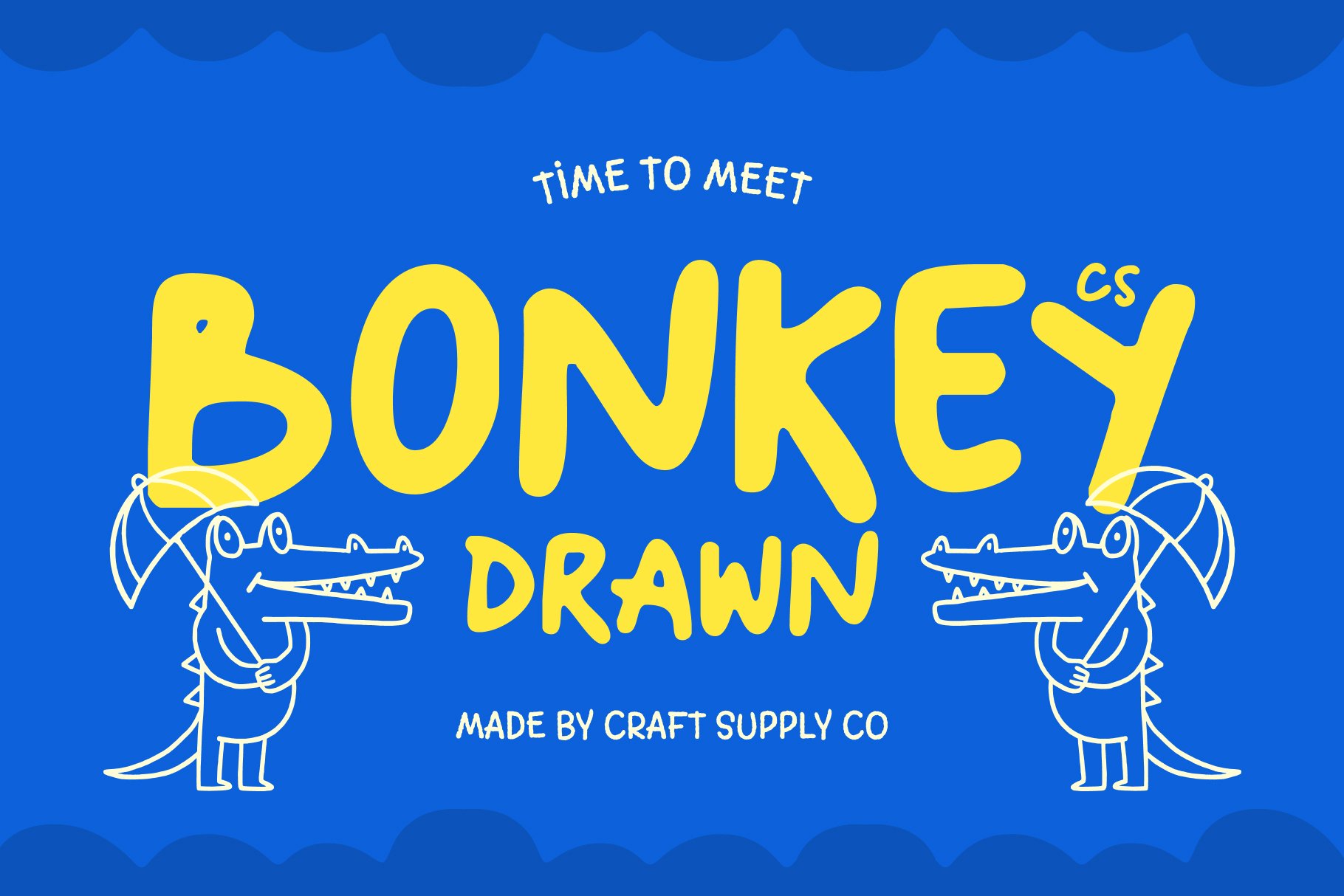
CS Bonkey Drawn brings a hand drawn quality that can make branding feel more personal. Drawn typography often creates an immediate sense of informality because the letterforms feel closer to something created by hand rather than generated from a perfectly uniform system.
For a Joyful Woof inspired project, this characteristic can be valuable when the goal is to create warmth and personality. CS Bonkey Drawn can work for dog related businesses, illustrated merchandise, creative packaging, casual restaurants, and brands that want to appear friendly rather than corporate.
3. CS Benedict Messy Handwriting Font
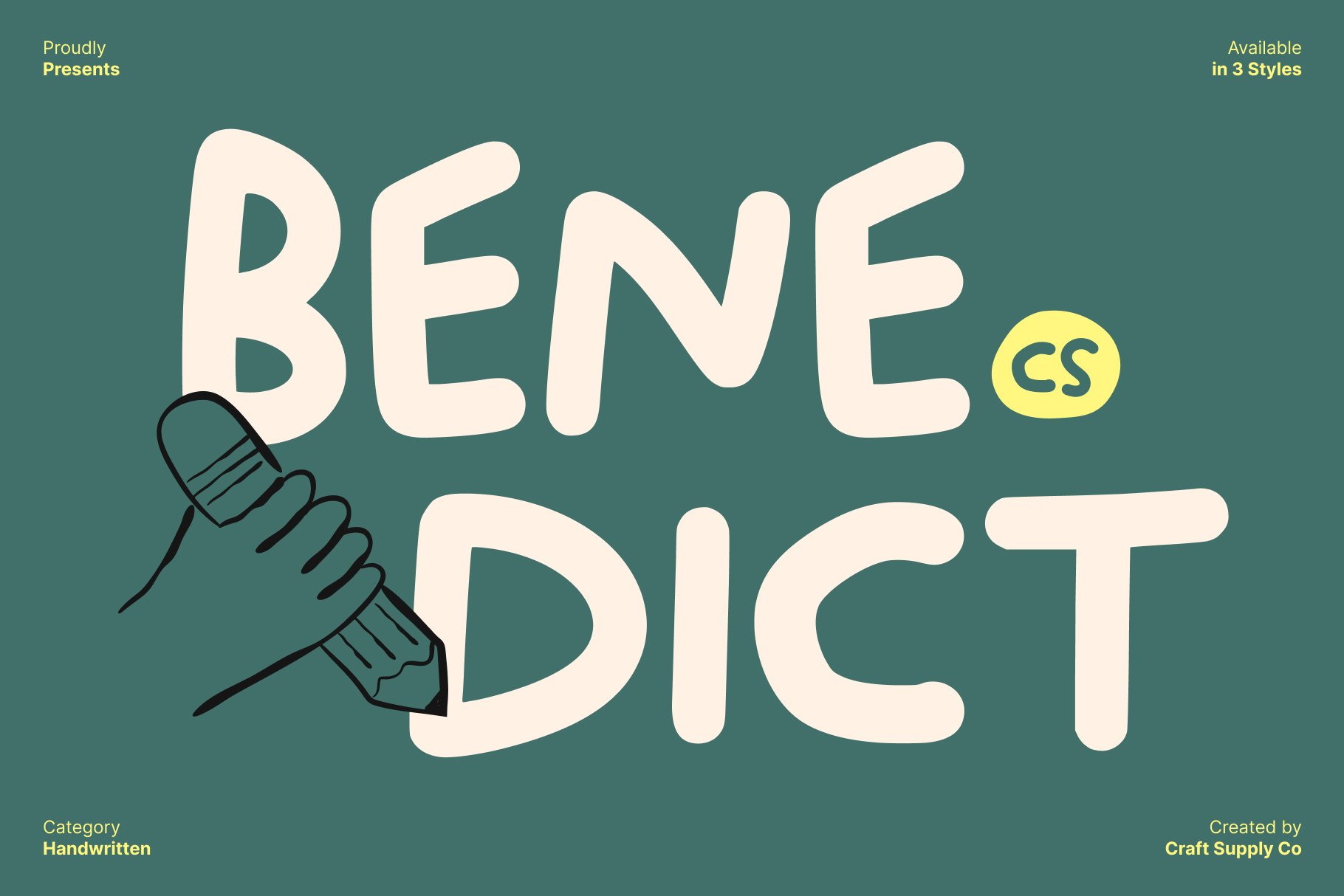
CS Benedict Messy Handwriting Font explores the charming side of imperfection. Messy handwriting can introduce spontaneous energy into a wordmark, helping the identity feel relaxed and approachable. This is especially useful when a perfectly polished logo would make the brand feel too formal.
Designers can use this font to create an intentionally casual identity. It can work particularly well for pet boutiques, creative services, social media brands, children’s products, and packaging that needs a handmade or playful touch.
4. CS Gregory Drawn

CS Gregory Drawn provides another expressive option for designers exploring the visual language behind Joyful Woof. Its drawn character can help transform ordinary words into more distinctive graphic shapes.
This type of font is useful when the logo needs to communicate creativity without relying heavily on illustrations. Pair it with a simple icon, generous whitespace, or a restrained supporting typeface to keep the overall identity balanced. The contrast between expressive lettering and a clean layout can make the logo feel intentional rather than overly busy.
5. CS Wilkes Fun Display Font

CS Wilkes Fun Display Font takes the playful concept into a stronger display direction. Display typography is particularly effective when the brand name needs to attract attention immediately, making this style useful for signs, packaging, posters, and prominent logo applications.
For a cheerful pet or lifestyle brand, a fun display font can establish the mood before customers interact with the product. Use CS Wilkes at larger sizes and give the lettering enough space to breathe. This helps preserve its personality while keeping the overall composition readable.
6. CS Benedict Drawn
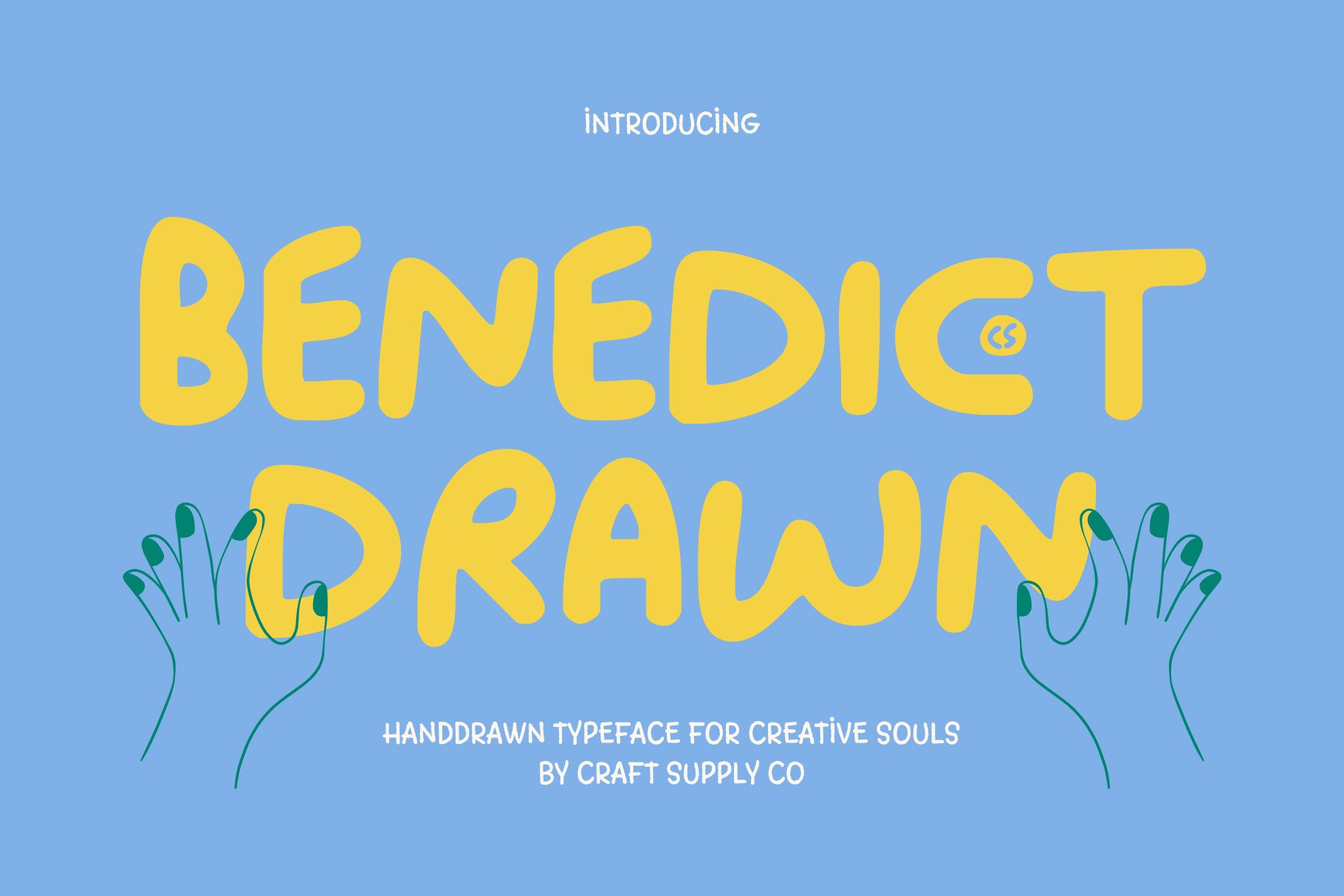
CS Benedict Drawn offers a more illustrative interpretation of expressive typography. The drawn quality can make a wordmark feel approachable and distinctive, especially when the brand wants to communicate creativity instead of corporate precision.
It can be an effective choice for businesses that want their name to function almost like a small illustration. Consider it for pet products, craft businesses, creative shops, apparel graphics, children’s brands, and packaging where personality is more important than strict formality.
7. CS Remus Inktrap Font
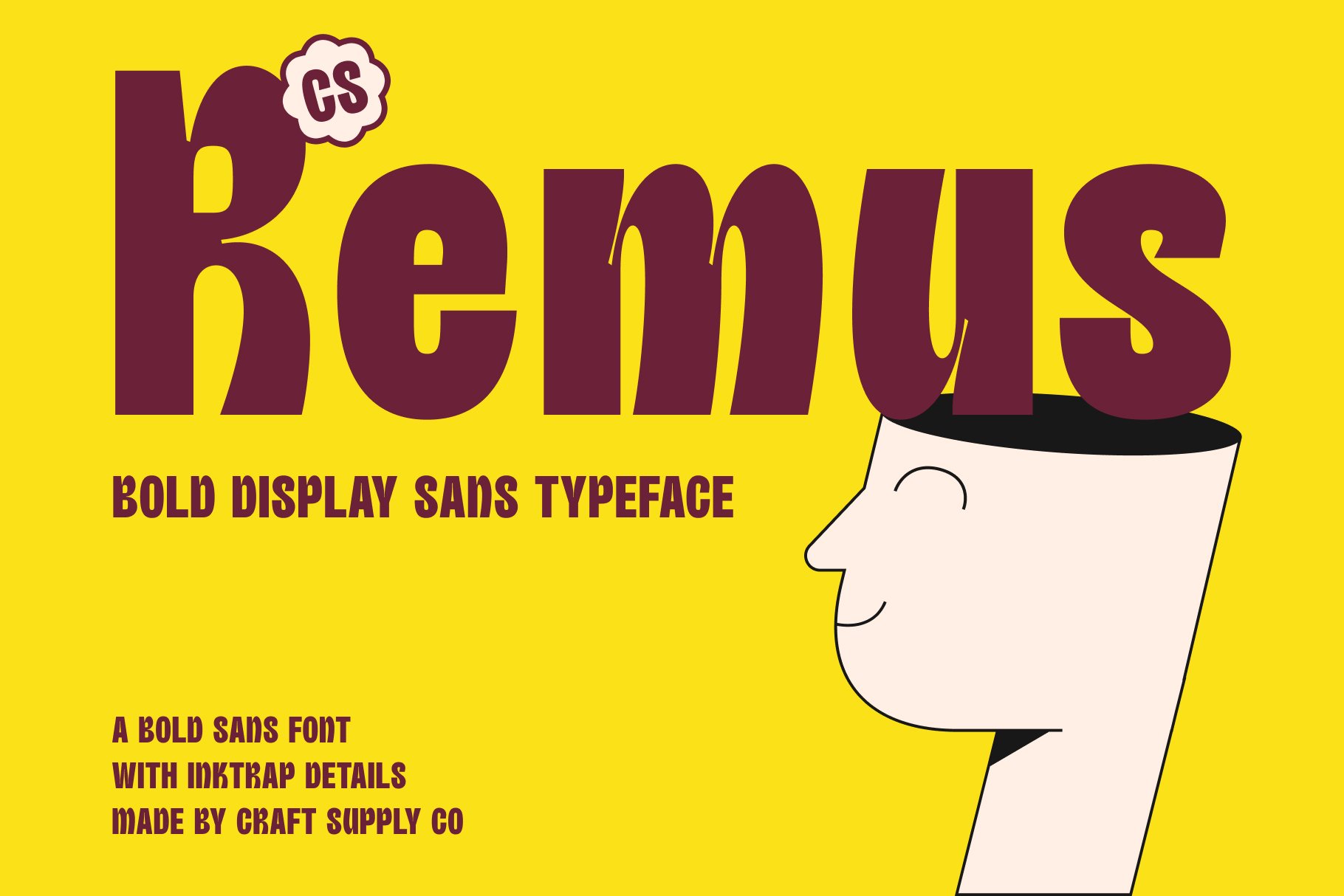
CS Remus Inktrap Font introduces a different kind of character. Inktrap inspired details can add visual interest to letterforms and create a distinctive silhouette, giving designers an alternative to traditional rounded or handwritten styles.
This makes CS Remus useful when a project needs playful energy but also wants a more designed and contemporary appearance. Use it when you want to create a quirky identity that feels creative without becoming overly childish.
8. CS Boysen Drawn

CS Boysen Drawn continues the hand crafted direction with expressive lettering that can make a brand identity feel approachable. Drawn typography can be particularly effective for brands where trust and friendliness matter because the style feels less distant than highly formal corporate type.
For pet focused branding, this quality can be especially useful. A dog daycare, grooming business, pet accessory shop, or animal-focused lifestyle brand can use this kind of typography to establish a warm first impression while still creating a recognizable wordmark.
9. CS Ranchers Drawn
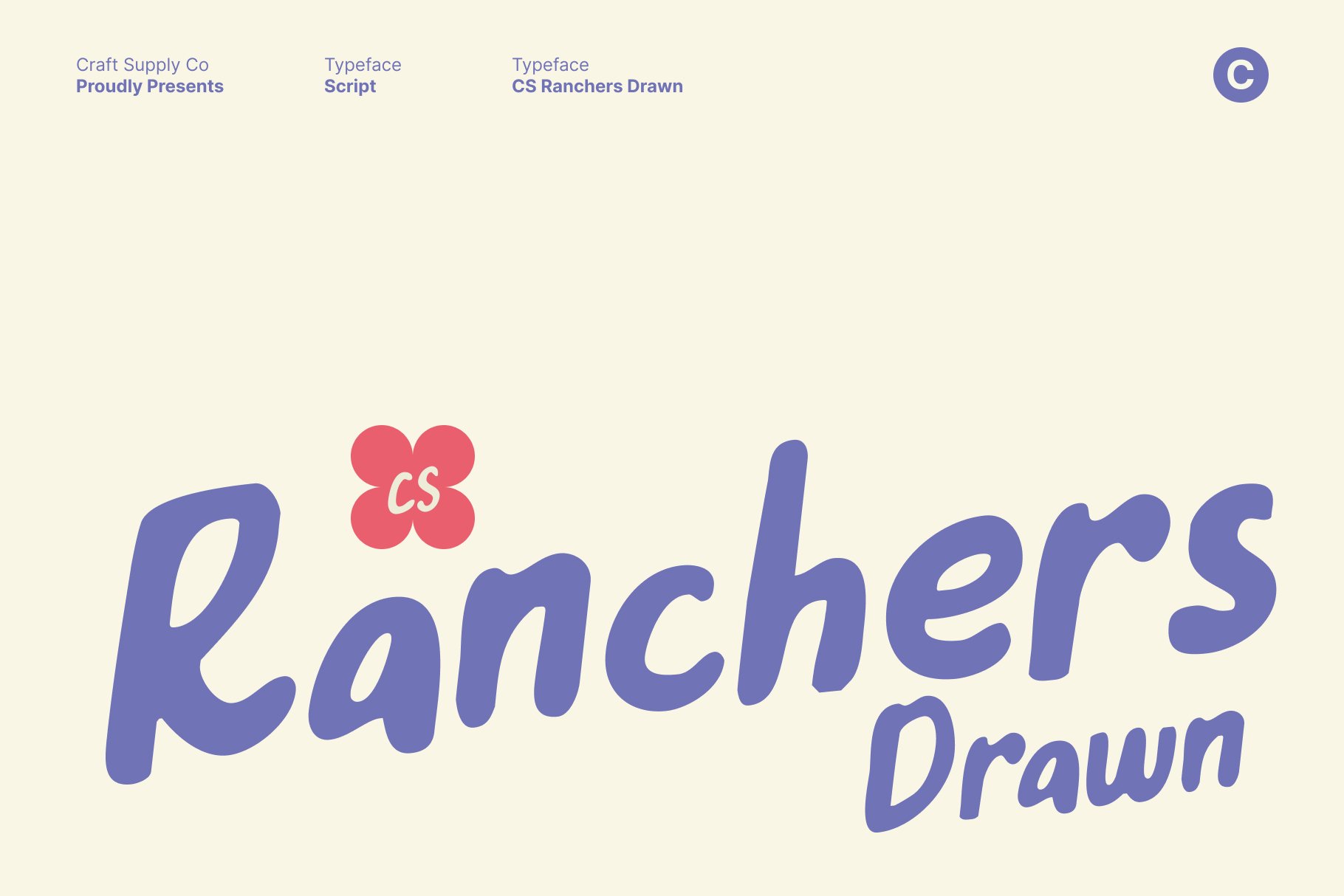
CS Ranchers Drawn adds a more characterful interpretation to the collection. A distinctive drawn font can help a brand escape the predictable look of standard sans serif logos and establish a more memorable visual identity.
Although its personality can work well for playful projects, designers can also experiment with it in lifestyle branding, food packaging, apparel, events, and merchandise. Keep the supporting design simple so the typography has room to establish the mood.
10. CS Adelmo Drawn

CS Adelmo Drawn completes the selection with another expressive option for designers who want a logo to feel crafted rather than mechanically constructed. Its drawn approach can help create the kind of personality that makes a short name easier to remember.
Use CS Adelmo when the identity needs warmth, creativity, and visual character. It can work particularly well when paired with simple illustrations, playful icons, or a minimal layout. The combination can create a friendly identity without overwhelming the viewer with too many decorative elements.
The Design Lessons Behind Playful Typography
One of the biggest lessons from Joyful Woof font is that typography can communicate emotion. Designers often focus on readability, hierarchy, and consistency, but personality deserves equal attention when creating a consumer facing identity.
Playful typography can make a brand feel more welcoming. Rounded shapes, hand drawn details, unexpected proportions, and loose spacing can all contribute to this effect. However, the key is balance. Too many unusual elements can make a logo difficult to read, while too few can make it feel generic.
Another important lesson is that imperfection can be intentional. Hand drawn and messy fonts create visual variation that polished geometric typefaces often avoid. Those irregularities can make the identity feel more human and memorable.
How to Create a Joyful Pet Brand With Typography
Start by defining the emotion you want customers to experience. A pet brand might want to feel energetic, caring, humorous, trustworthy, or playful. Once the emotional direction is clear, choose typography that supports it.
For an energetic identity, consider a bold fun display style. For a warmer personality, a drawn or handwritten font may work better. If you want something playful but slightly more contemporary, an unusual display or inktrap style can provide a good middle ground.
Then build a supporting visual system around the typography. Simple paw marks, abstract animal shapes, illustrated faces, or subtle patterns can reinforce the concept without competing with the wordmark.
Why Designers Continue to Borrow From Playful Logo Styles
Playful identities remain useful because they create an immediate emotional connection. A serious typeface can communicate authority, but a friendly display font can make a customer feel invited into the brand experience.
This is particularly valuable in categories where emotional connection influences purchasing decisions. Pet products, children’s goods, food, hospitality, lifestyle products, and creative services can all benefit from typography that feels approachable and distinctive.
The goal, however, should never be to reproduce another brand’s exact appearance. Instead, study what makes the reference successful and reinterpret those qualities through a different typeface, composition, color palette, and supporting graphic system.
Tips for Choosing the Right Playful Font
- Start with personality: Decide whether the brand should feel cute, energetic, humorous, handmade, or creative.
- Check readability: Make sure expressive details do not make the brand name difficult to understand.
- Test the complete word: Some fonts look excellent in individual letters but create awkward rhythms when combined.
- Use whitespace: Playful typography often becomes stronger when the surrounding layout remains simple.
- Limit decorative elements: Let the font carry much of the personality instead of adding too many competing graphics.
- Consider scalability: Test the logo on packaging, social media avatars, signage, and small digital applications.
- Customize when possible: Adjust spacing and individual characters to create a more distinctive final wordmark.
Where These Fonts Can Work
The alternatives in this collection are not limited to dog logos. Their expressive qualities can work across many creative applications. A drawn font can bring warmth to a coffee shop identity, while a fun display font can make a children’s product more memorable.
They can also work for apparel, stickers, packaging, greeting cards, event branding, social media graphics, posters, creative agencies, and small businesses. The key is to match the font’s personality with the emotional experience you want the audience to associate with the brand.
Find More Typography Inspiration
Studying different approaches to display typography can help designers develop a stronger understanding of how personality shapes branding. For more font, lettering, and identity inspiration, explore the creative work of Craft Supply Co.
Joyful Woof demonstrates why expressive typography continues to attract designers. Its appeal comes from more than a playful name or subject. It reflects a broader design principle: typography can become an emotional part of a brand rather than simply a tool for displaying words.
The ten Joyful Woof font alternatives in this article provide several ways to explore that principle. CS Brownie, CS Bonkey, CS Benedict, CS Gregory, CS Wilkes, CS Remus, CS Boysen, CS Ranchers, and CS Adelmo each bring their own personality, while drawn, handwritten, fun display, and inktrap characteristics offer different interpretations of playful branding.
The best result comes from understanding the feeling behind the reference and then creating something original. Choose a typeface that supports the brand personality, refine its spacing, simplify the surrounding layout, and give the lettering enough room to become the visual voice of the identity. That approach allows designers to borrow useful lessons from Joyful Woof while creating a logo that feels entirely their own.