
The COVID-19 pandemic changed daily life in ways few people could have imagined. It brought uncertainty, isolation, grief, and unexpected challenges, while also reminding many people of the importance of connection, compassion, and community. From reading poignant COVID-19 quotes to adapting to new routines and supporting loved ones from a distance, people around the world learned to navigate an unfamiliar chapter together.
These 25 COVID-19 quotes offer thoughtful reflections on resilience, hope, uncertainty, gratitude, and rebuilding after difficult times. They are original reflections inspired by experiences and lessons associated with the pandemic, rather than historical quotations or statements attributed to specific public figures. Whether you are writing a personal reflection, creating a remembrance project, or looking for words to express what a challenging period taught you, this collection offers a place to begin. For creative ideas on presenting meaningful words through visual design, explore the portfolio of Craft Supply Co.

The pandemic affected people differently, and not every experience can be summed up in a single sentence. These quotes acknowledge that complexity while focusing on compassion, the strength to keep going, and the possibility of finding connection even during periods of uncertainty.
COVID-19 Quotes About Hope During Uncertain Times
“Even when the future feels uncertain, one small step forward still matters.”
“Hope is not pretending everything is fine, it is believing that difficult days can change.”
“When the world slows down unexpectedly, we can still choose what deserves our attention.”
“Tomorrow does not need to be predictable for today to hold meaning.”
“A difficult chapter can change your story without defining its ending.”
Resilience and Strength
“Strength is not never feeling overwhelmed, it is learning what helps you begin again.”
“Getting through a hard day is an achievement, even when nobody else sees it.”
“We can be tired of the struggle and still be proud of how far we have come.”
“Resilience grows when we give ourselves permission to adapt instead of demanding perfection.”
“Sometimes courage is simply taking the next necessary step.”
Community and Human Connection
“Distance can change how we meet, but it does not have to erase how we care.”
“A simple message can remind someone that they have not been forgotten.”
“Community is built when we consider how our choices affect the people around us.”
“Kindness became a lifeline in moments when certainty was hard to find.”
“We are strongest when we make room for one another’s different struggles.”
Gratitude and Everyday Life
“Sometimes the smallest ordinary moments become the memories we treasure most.”
“Gratitude does not erase what is difficult, it helps us notice what still supports us.”
“A shared meal, a familiar voice, and a quiet evening can hold extraordinary value.”
“The things we once rushed past may be the things we learn to appreciate most.”
“Life’s meaning is often found in simple moments we never thought to celebrate.”
Healing and Moving Forward
“Healing does not require you to forget, it asks you to make room for life again.”
“Moving forward can include remembering what we lost and honoring what helped us survive.”
“You do not need to recover on someone else’s timeline.”
“The future can hold new beginnings without making the past less important.”
“Let what you learned guide you, but do not let yesterday take away every possibility of tomorrow.”
Lessons We Can Reflect on After COVID-19
The pandemic exposed vulnerabilities in healthcare systems, workplaces, communities, and personal routines. It also prompted conversations about public health, mental well being, caregiving, inequality, and how societies respond to shared risks. Reflecting on these lessons can help us prepare for future challenges with greater care and understanding.
- Take health and well being seriously: Personal health, access to care, and public health measures can affect individuals and communities. Reliable medical guidance matters, especially during an outbreak.
- Stay connected: Regularly checking in with friends, relatives, and neighbors can help people feel supported, particularly during periods of isolation.
- Make room for different experiences: People faced different levels of risk, loss, and disruption. Listening without making assumptions can build empathy.
- Recognize everyday workers and caregivers: The pandemic highlighted how essential healthcare workers, service workers, delivery staff, educators, and caregivers are to daily life.
- Protect time for recovery: Stressful periods can affect emotional and physical well being. Rest, social support, and professional help can be important parts of recovery.
- Seek trustworthy information: Public health guidance can change as evidence develops. Reliable sources help people make informed decisions and avoid misinformation.
These reflections are not a claim that every experience during COVID-19 led to a positive outcome. Many people endured profound loss, and some continue to face its effects. A thoughtful response to the pandemic includes acknowledging hardship while learning how to support one another more effectively.
How to Use COVID-19 Quotes in Writing and Creative Projects
Quotes about COVID-19 can help communicate personal memories, recognize collective experiences, or frame a discussion about resilience and recovery. Because the topic may be emotionally sensitive, choose words that suit your audience and the purpose of your project.
- Personal reflection: Use a quote as a starting point for writing about how your routines, relationships, or priorities changed.
- Memorial projects: Choose thoughtful wording that honors people who were lost and acknowledges the experiences of their families and communities.
- Educational presentations: Pair a reflection with verified facts from reliable public health sources when discussing the pandemic’s broader effects.
- Social media posts: Use a concise quote to share a message of gratitude, remembrance, or encouragement without minimizing other people’s experiences.
- Posters and digital artwork: Combine meaningful text with restrained colors, clear typography, and simple imagery to create a respectful visual message.
- Community newsletters: Use quotes to introduce stories about mutual aid, local support, or lessons learned during periods of disruption.
If you are discussing specific medical claims, public health statistics, or policy decisions, support them with reliable sources rather than relying on inspirational language alone. Quotes are useful for reflection, but factual information should be verified independently.
Font Alternatives for COVID-19 Quotes and Editorial Designs
Typography can help set the tone of a quote design, from reflective and understated to bold and contemporary. Distorted and refracted styles can create a visual sense of disruption, while pixel inspired lettering can evoke digital communication and changing routines. Use expressive fonts thoughtfully, particularly when creating memorial or educational materials where readability and respect are essential.
1. CS Arola Distort

CS Arola Distort is an option for experimental quote graphics that explore disruption, uncertainty, or changes in everyday life. Its distorted visual direction may suit conceptual posters or editorial artwork. For longer messages, pair it with a straightforward font to keep the content accessible.
2. CS Action Distort

CS Action Distort can be considered for bold designs that need a strong visual statement. Explore it for short reflections about resilience, adapting to change, or rebuilding routines. Keep the main quote concise and leave sufficient space around the lettering so it remains easy to read.
3. CS Blanco Distort
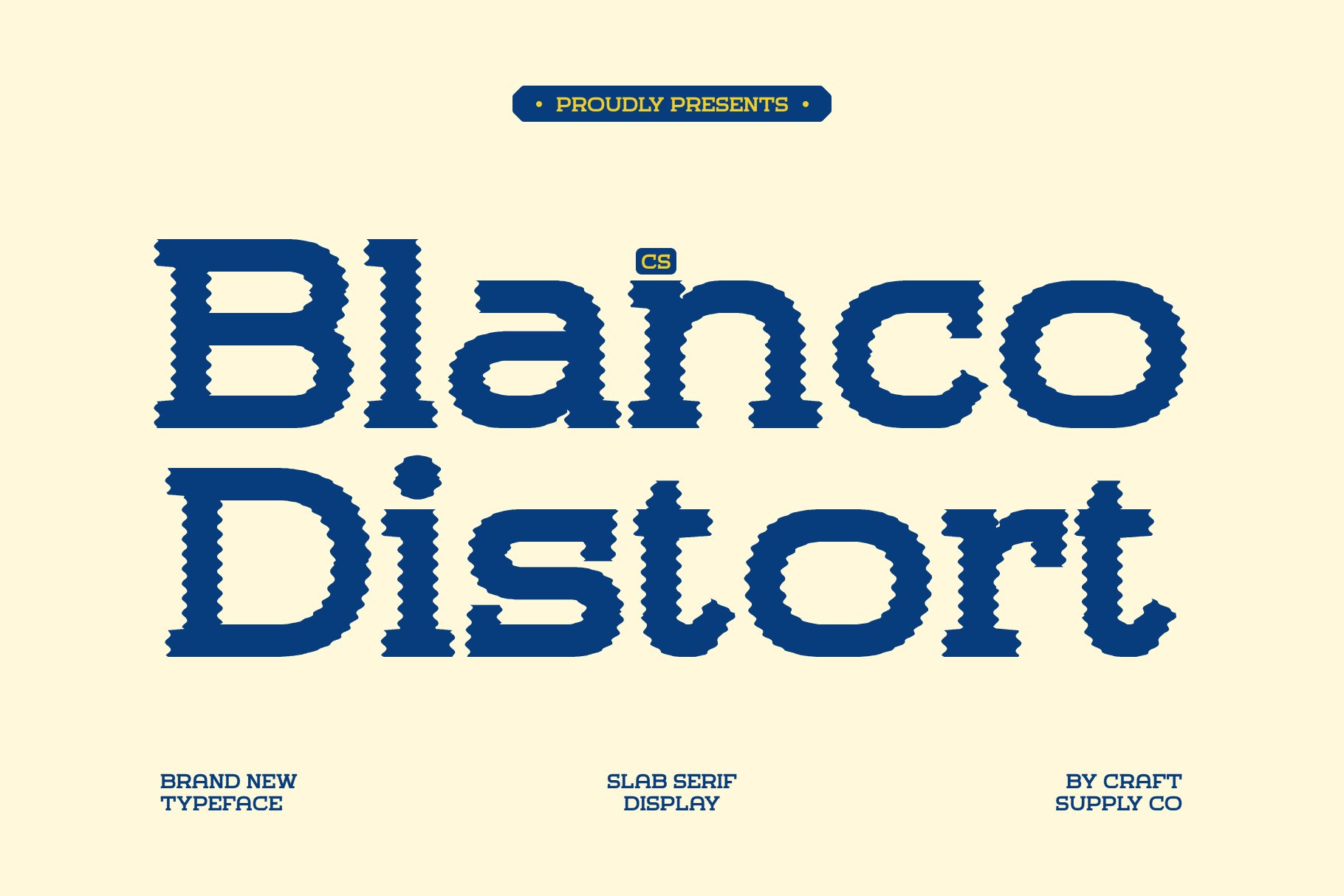
CS Blanco Distort offers another direction for expressive, distortion inspired typography. It may work well in conceptual posters or digital artwork about uncertainty and transformation. Use it for a headline or a few emphasized words rather than an entire long quotation.
4. CS Marsden Semipixel
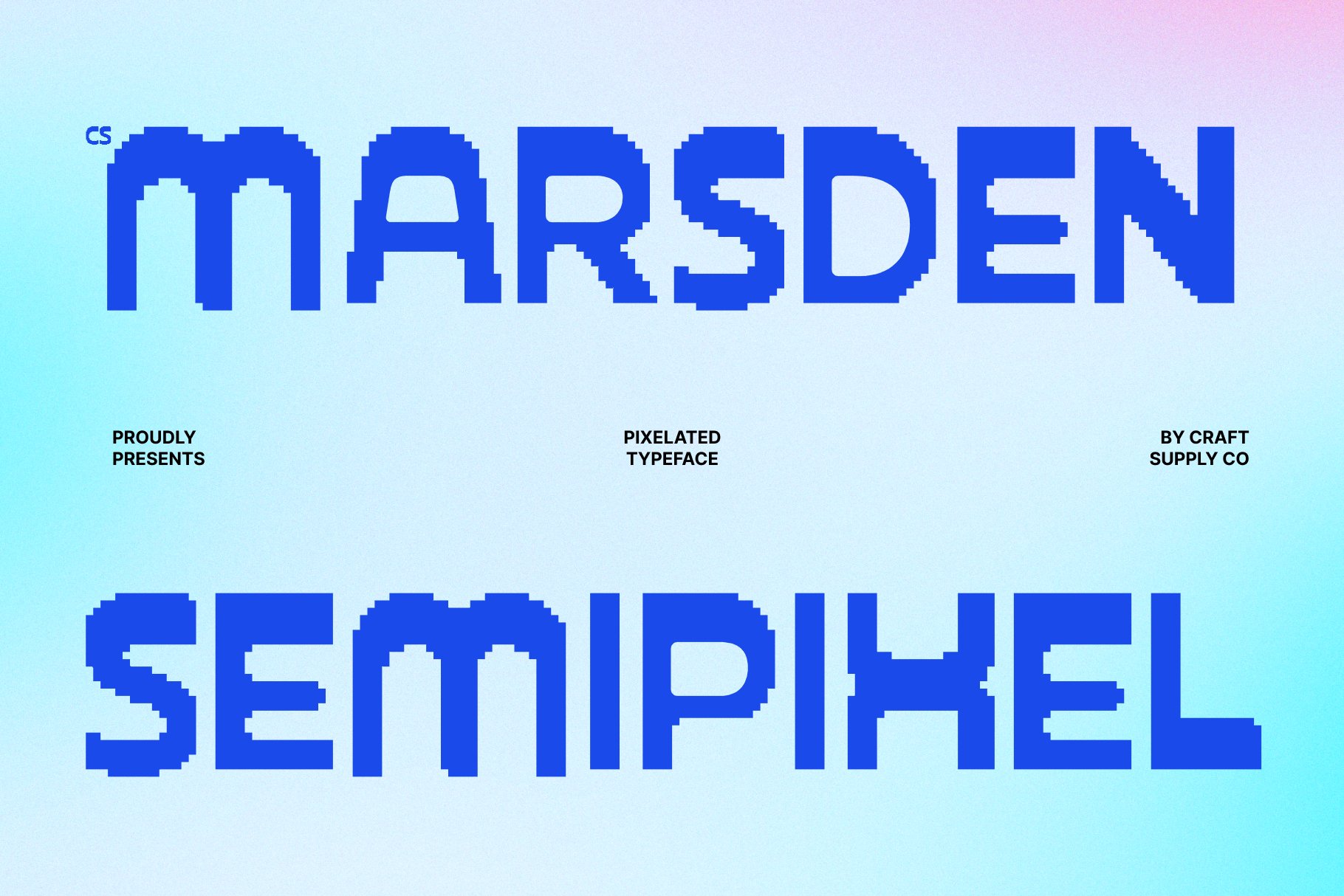
CS Marsden Semipixel can suit designs that reference online communication, virtual gatherings, and the digital routines that became important during the pandemic. Consider it for a short headline in an editorial layout, paired with a more readable typeface for supporting information.
5. CS Melchior Semipixel

CS Melchior Semipixel is another option for digital inspired quote artwork. Explore it for projects about remote communication, changing work habits, or the role of technology in maintaining connections. Test the text at its intended display size to ensure the style remains legible.
6. CS Bolande Distort

CS Bolande Distort can add a more experimental character to quote designs about uncertainty and change. Use it selectively in contemporary posters or conceptual layouts. A restrained background and a clear typographic hierarchy can help balance the expressive lettering.
7. CS Coster Refracted
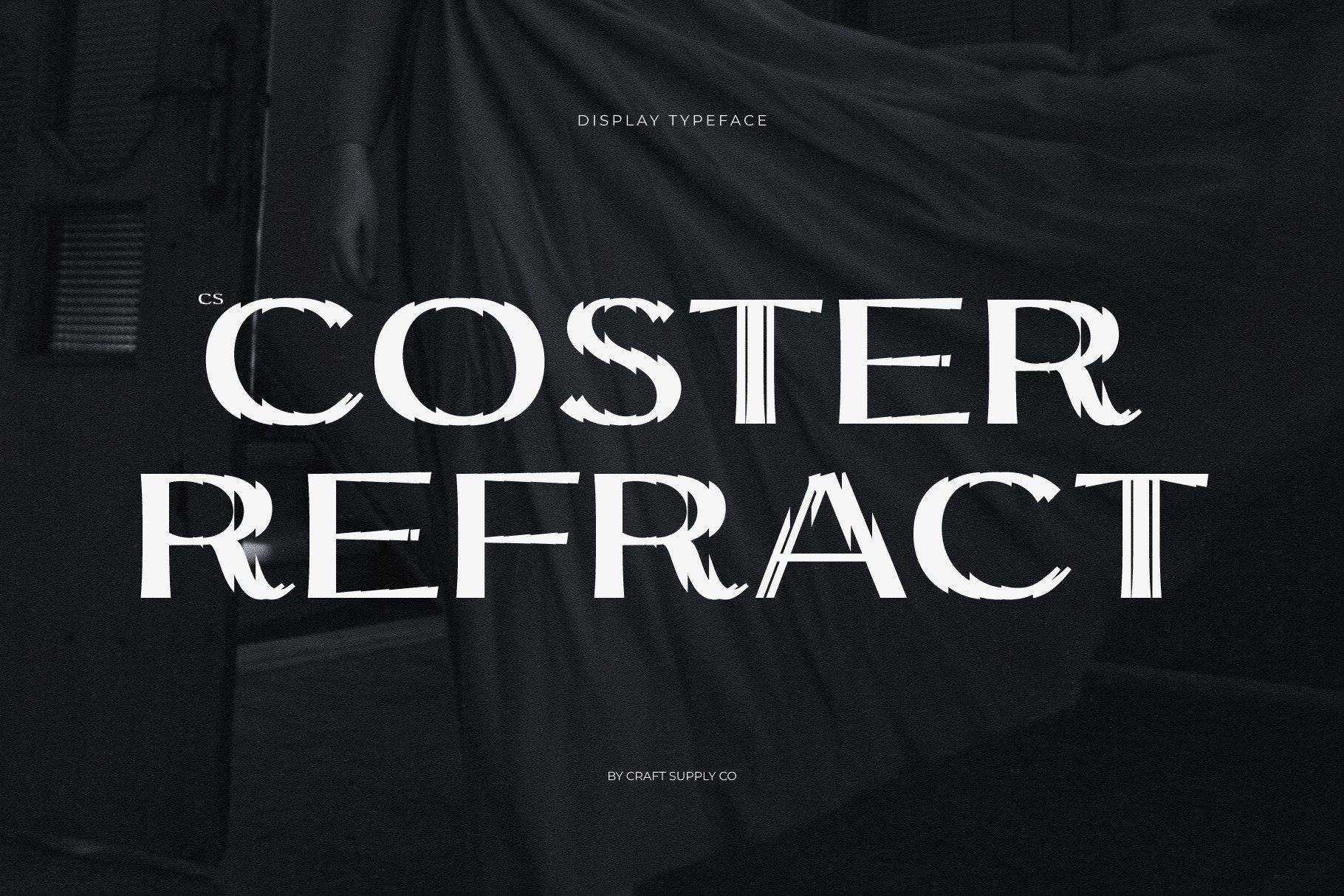
CS Coster Refracted is worth exploring for designs that use unusual visual treatments to express different perspectives. It can complement reflective quotes about community, memory, and rebuilding. Pair it with simple composition choices so the text remains the central message.
8. CS History Rippled
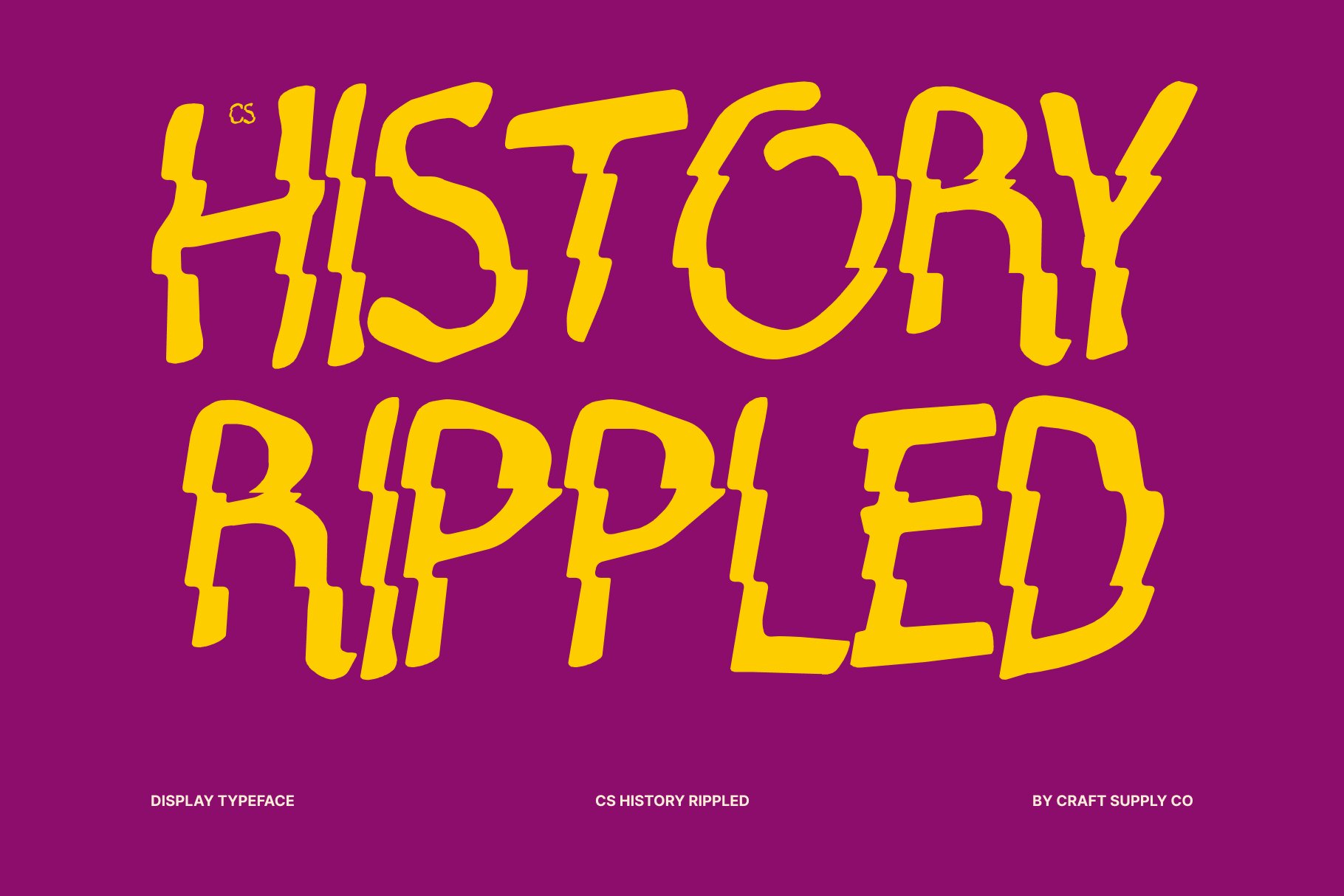
CS History Rippled can be considered for quote artwork that explores memory, change, and the passage of time. Its ripple inspired direction may suit creative editorial projects or reflective digital graphics. Keep the wording concise and use clear supporting text for any important context.
9. CS Crofte Font Duo
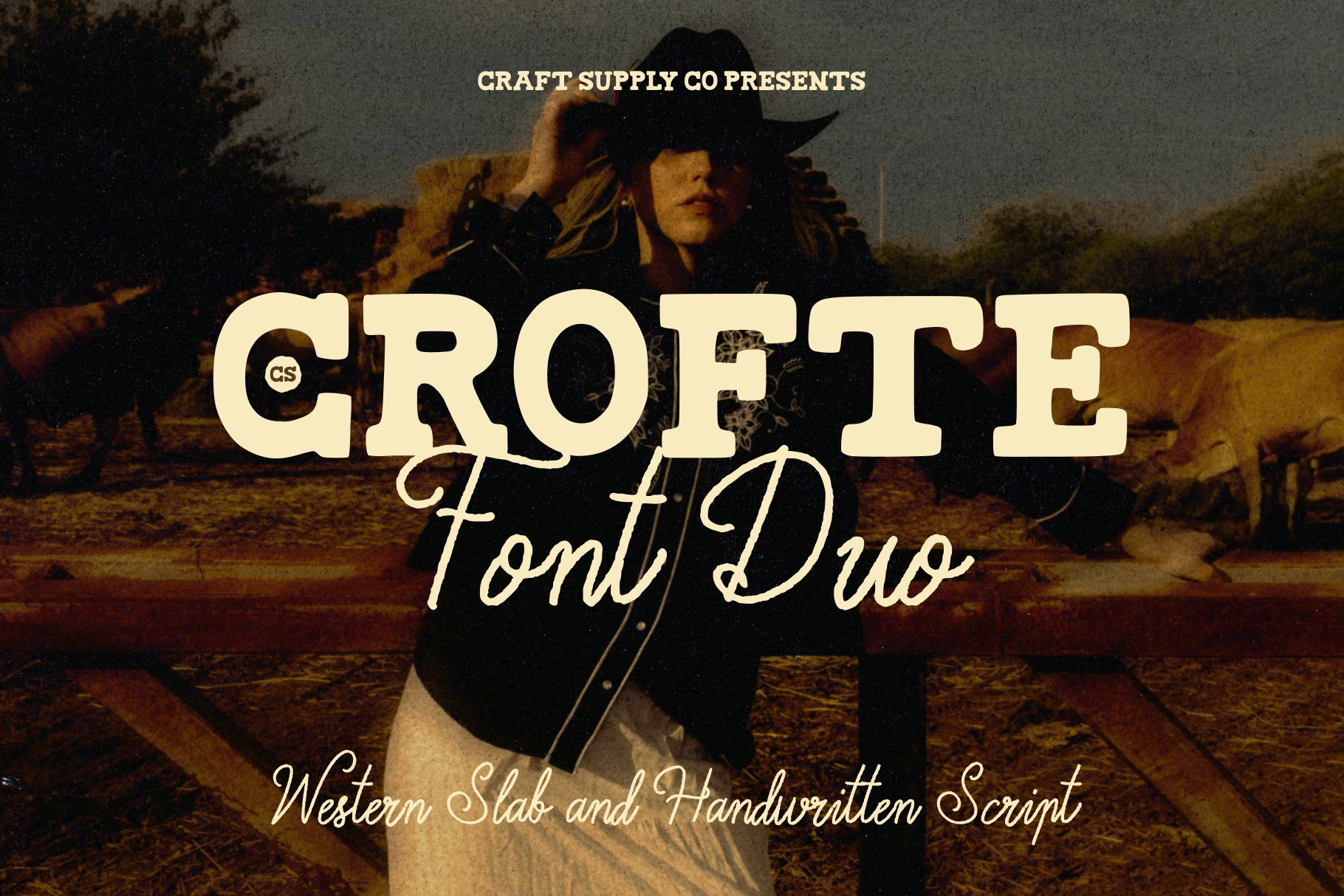
CS Crofte Font Duo offers a useful direction for designs that need more than one typographic voice. A font duo can help establish contrast between a prominent quote and smaller supporting text. Explore it for editorial layouts, presentation covers, or reflective quote collections.
10. Navalie Rippled
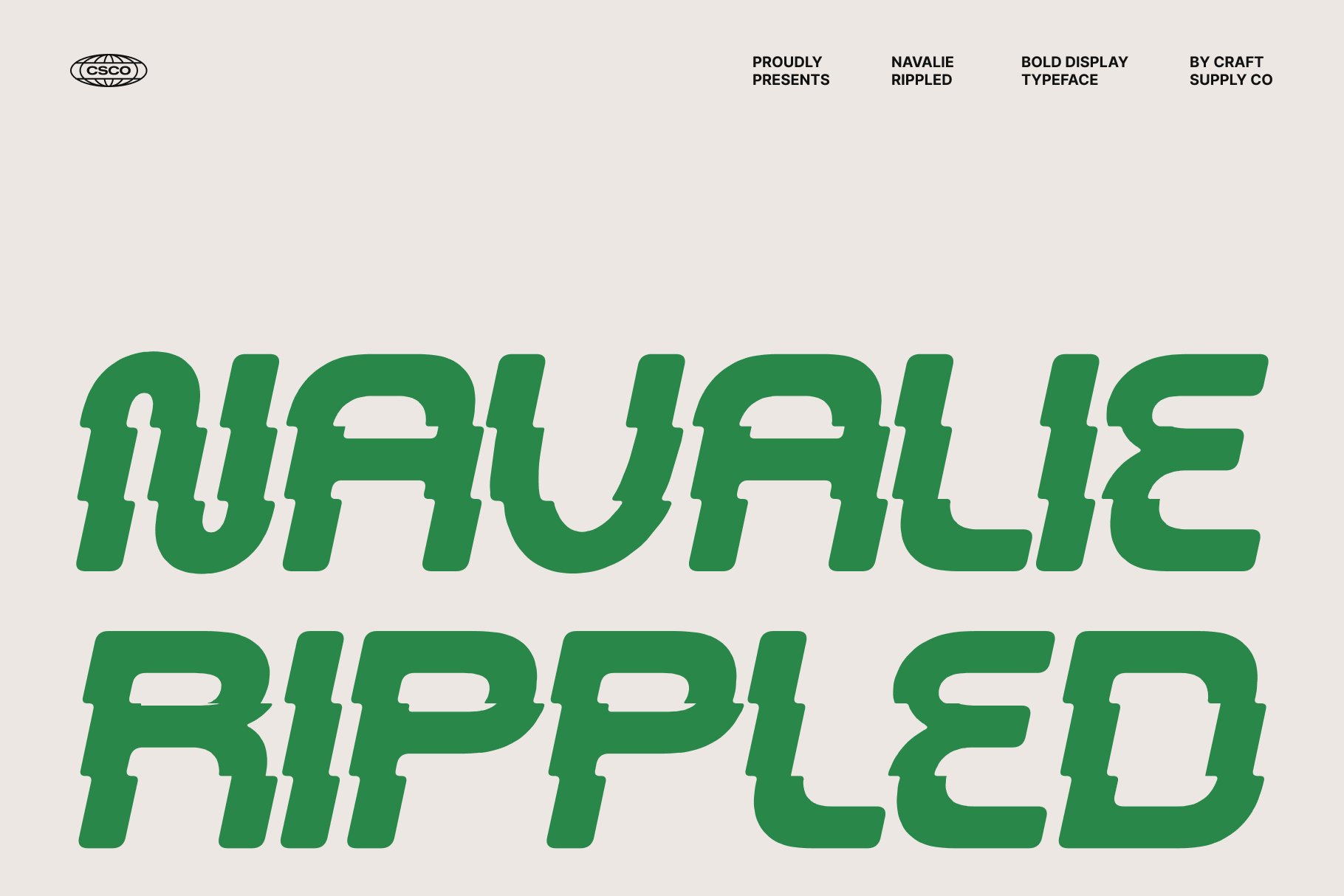
Navalie Rippled is another option for experimental typography with a ripple inspired appearance. It may suit creative designs about change, adaptation, and the lasting effects of shared experiences. Use it as a display treatment and check that the message remains clear against the chosen background.
For more typography inspiration and creative design ideas, explore the portfolio of Craft Supply Co. Consider how font choice, spacing, and color can help communicate a message with clarity and care.