
Handwritten fonts recommendation bring a personal touch to digital design. Inspired by the natural movement of handwriting, these typefaces can make words feel warm, expressive, playful, or elegant. Whether you are creating a logo, designing invitations, developing product packaging, or preparing social media graphics, the right handwritten font can help your work feel more distinctive and memorable.
Unlike rigid geometric typefaces, handwritten fonts recommendation often feature organic shapes, flowing strokes, and subtle irregularities that create a sense of personality. Some resemble casual everyday writing, while others offer a polished script appearance suitable for sophisticated branding. Messy handwriting styles can feel spontaneous and artistic, while modern scripts introduce graceful curves and decorative details.
Choosing the best handwritten fonts recommendation depends on the mood you want to communicate and how you plan to use the lettering. In this guide, we explore 10 handwritten and script fonts from Craft Supply Co that can inspire your next creative project, from personal stationery to professional brand identities.
What Are Handwritten Fonts?
Handwritten fonts recommendation are typefaces designed to imitate the appearance of writing created by hand. They can reproduce the relaxed quality of everyday handwriting, the expressive movement of brush lettering, or the graceful connections found in script typography. Designers use these fonts to make visual communication feel more personal and approachable.
Different handwriting styles communicate different moods. Casual handwritten fonts can create a friendly, informal atmosphere, while elegant scripts work well for invitations, beauty brands, and premium packaging. Messy handwriting can suggest spontaneity and creativity, making it useful for expressive posters, journal designs, and playful campaigns.
Handwritten fonts recommendation are versatile, but readability still matters. Decorative lettering works best when the words remain easy to recognize at the intended size. For longer paragraphs, a simple and highly legible typeface usually provides a better reading experience. For more creative typography references and design inspiration, explore Craft Supply Co on Behance.
10 Handwritten Fonts to Explore for Your Next Design
1. CS Gradie Handwriting Font

CS Gradie Handwriting Font is an option to consider when you want your design to feature a natural, personal lettering style. Handwriting inspired typography can soften a layout and help it feel less formal, making it useful for projects that rely on warmth and authenticity.
Explore this font for greeting cards, journal covers, lifestyle branding, social media graphics, and personalized stationery. It can also work as an accent in packaging designs that need a handmade appearance. Pair it with a clean sans-serif font for supporting text to create a balanced layout that feels personal without sacrificing clarity.
2. CS Aminta Handwriting Font

CS Aminta Handwriting Font offers another direction for projects that benefit from handwriting inspired typography. Handwritten lettering can make a message feel direct and approachable, helping brands and creative projects communicate with a more human personality.
Consider using this font for personal branding, quote graphics, invitations, product labels, and digital content. It can be especially useful for short phrases that need to stand out without feeling overly formal. Before finalizing the design, test your actual wording and adjust spacing where necessary to keep each letter easy to distinguish.
3. CS Benedict Messy Handwriting Font
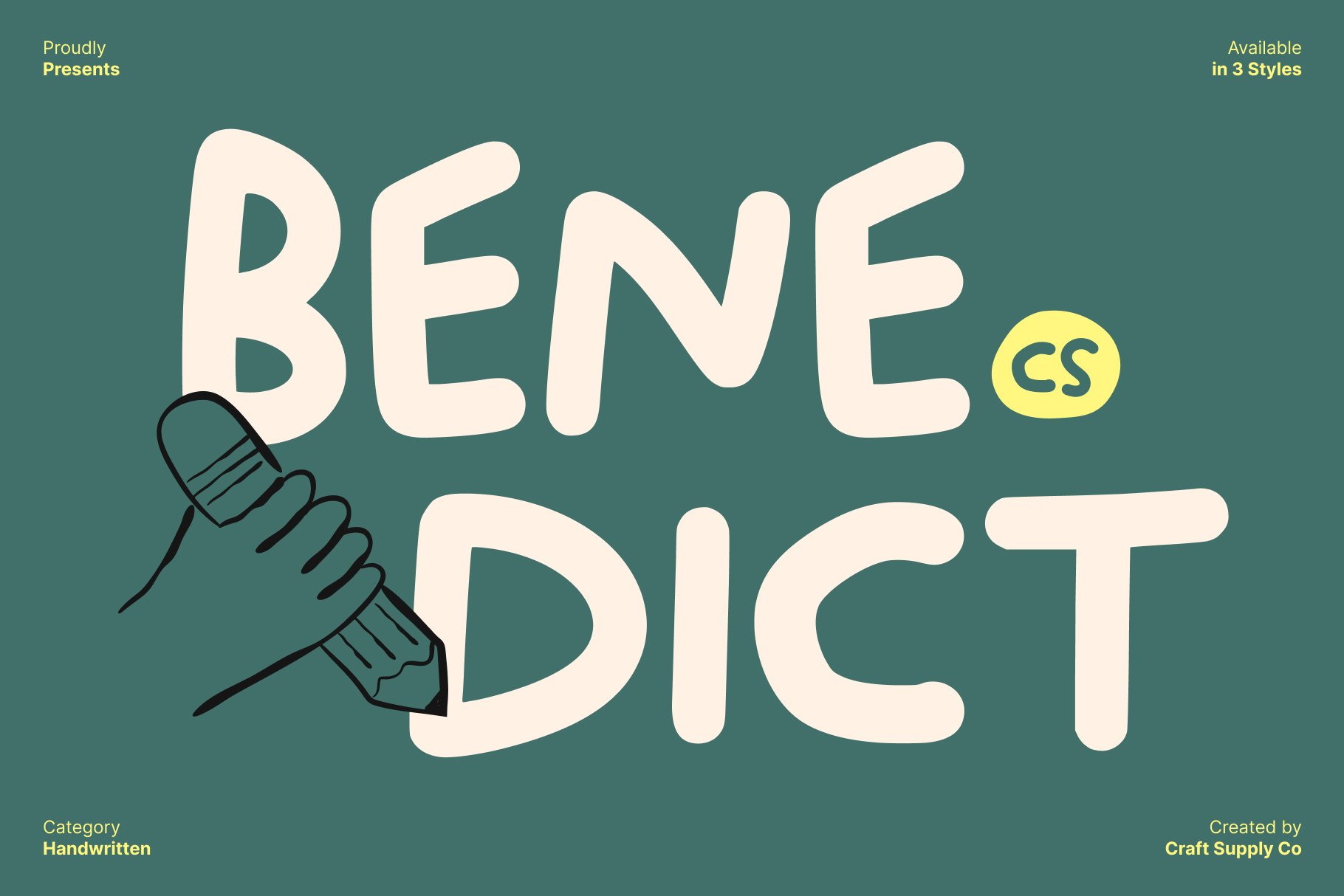
For designs that embrace an imperfect, expressive aesthetic, CS Benedict Messy Handwriting Font is worth exploring. Messy handwriting styles can evoke quick notes, spontaneous thoughts, personal journals, and creative experimentation. Their irregular character can make a composition feel relaxed rather than carefully polished.
Use this font for scrapbook layouts, zines, creative posters, casual apparel graphics, and social media campaigns. It can also add personality to a design built around illustrations or collage inspired imagery. Keep the rest of the layout relatively organized so the handwritten lettering adds energy without making the overall composition feel cluttered.
4. CS Gisora Handwriting Font

CS Gisora Handwriting Font is another option for designers who want to incorporate a personal lettering style into their work. Handwriting inspired fonts can bridge the gap between informal communication and carefully composed graphic design, making them suitable for a wide range of creative applications.
Try this font for stationery, lifestyle packaging, greeting cards, personal projects, and branded social media templates. It can introduce a softer typographic element into layouts that otherwise rely on structured grids and simple shapes. For a cohesive result, coordinate the lettering with your existing color palette and use consistent spacing throughout the design.
5. CS Sayville Handwriting Font

CS Sayville Handwriting Font provides another handwriting inspired direction for expressive visual communication. Fonts in this category can make short messages feel more individual, creating a sense of familiarity that formal typography may not provide. This quality makes handwritten lettering useful for brands that want to feel friendly and accessible.
Consider using this font for greeting cards, packaging accents, lifestyle branding, invitations, or digital quote designs. It can also complement simple illustrations and hand drawn graphic elements. When combining it with another font, choose a contrasting style that supports the message rather than competing with the handwriting.
6. CS Andine Handwriting Font

CS Andine Handwriting Font is worth considering for projects that call for a handwritten touch. Handwriting fonts can add personality to visual identities, especially when a design needs to communicate creativity, warmth, or an approachable point of view. They also provide a useful contrast to more formal typefaces.
Explore this option for personal stationery, creative business branding, product packaging, editorial accents, and social media content. Use it for short headings or selected phrases when you want the lettering to become a recognizable part of the composition. If your design includes body copy, keep that text in a more readable font to maintain a clear hierarchy.
7. Blusty Font Duo

Blusty Font Duo is an interesting option for designers looking for coordinated typography. Font duos can provide flexibility when a project requires complementary lettering styles that work together within one visual identity. This can make it easier to distinguish headlines from supporting messages while maintaining a consistent aesthetic.
Consider this font duo for branding systems, invitations, packaging, promotional graphics, and social media templates. Experiment with the available styles to establish a clear hierarchy between the main message and secondary text. Keep additional typefaces to a minimum so the pairing remains the central typographic feature of the design.
8. Calaya Lovely Modern Script
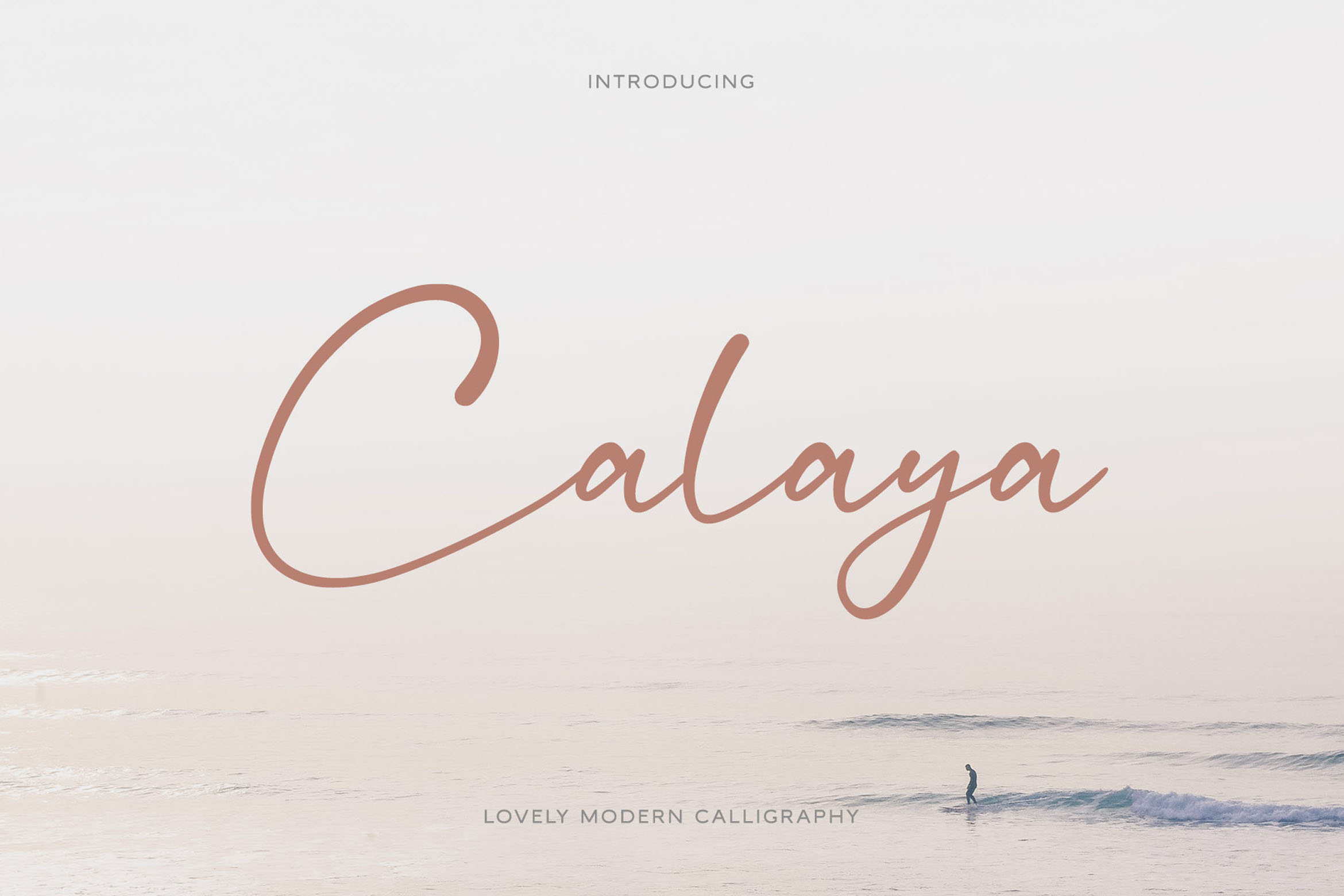
Calaya Lovely Modern Script is an option to explore when your design calls for a graceful, contemporary script direction. Modern script typography often combines the fluid movement of handwriting with a more deliberate and decorative presentation. This makes it suitable for designs that need a personal quality with a polished finish.
Use this font for wedding stationery, beauty branding, gift packaging, boutique identities, and celebratory graphics. It can create an elegant focal point when applied to a short headline or brand name. For the best visual balance, pair the script with a simple supporting typeface and avoid placing too many decorative elements around the lettering.
9. Sundey Beauty Script Font
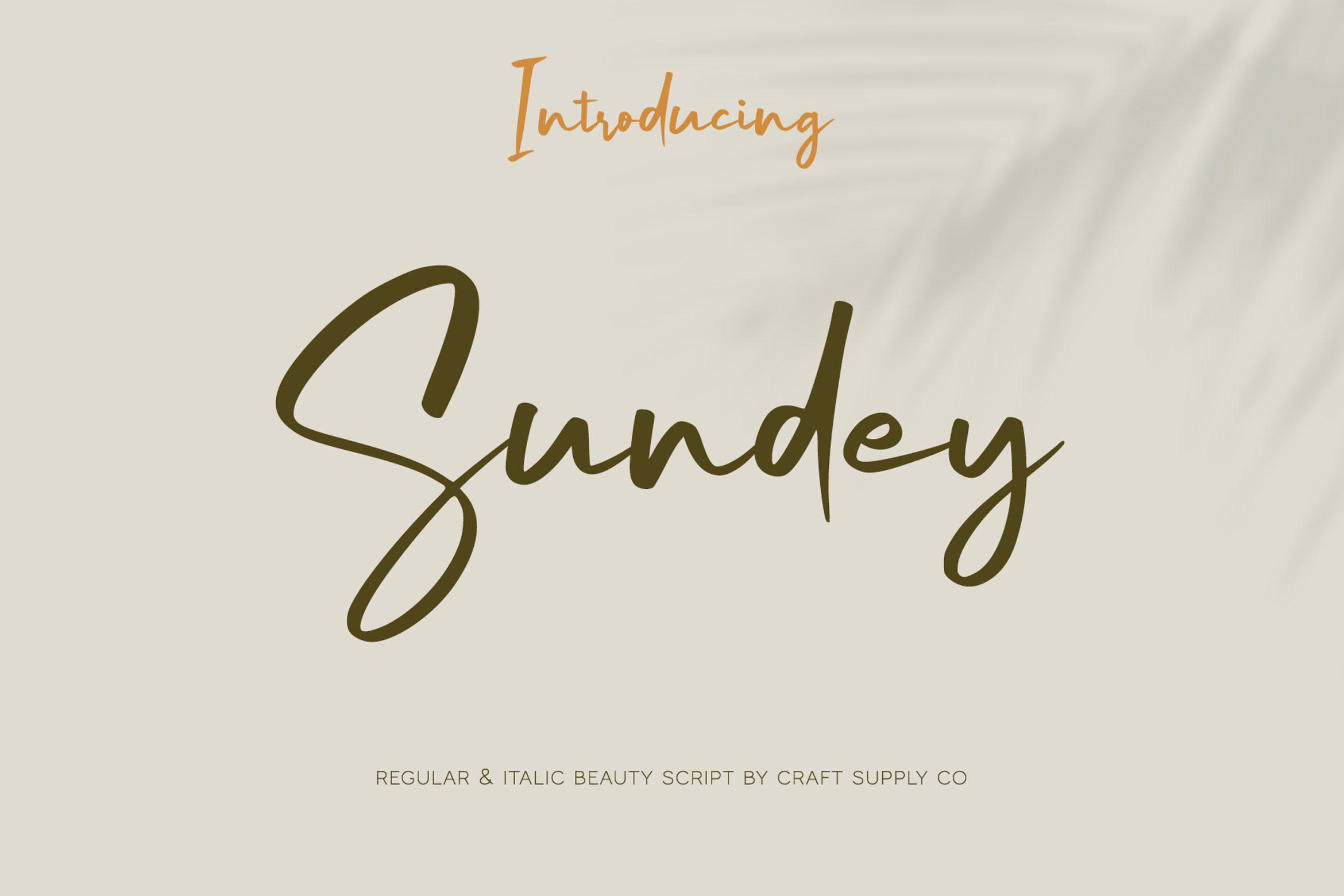
Sundey Beauty Script Font offers a direction for projects that call for expressive script lettering with a beauty oriented aesthetic. Script fonts can help create a refined and personal impression, making them useful for visual identities that emphasize style, presentation, and attention to detail.
Consider this font for beauty and skincare branding, salon promotional materials, event invitations, product labels, and social media graphics. It can work particularly well as a display font for short phrases. Check the contrast between the lettering and its background, especially when using thin or decorative strokes, so the message remains visible across different formats.
10. Beston Casual Script Font
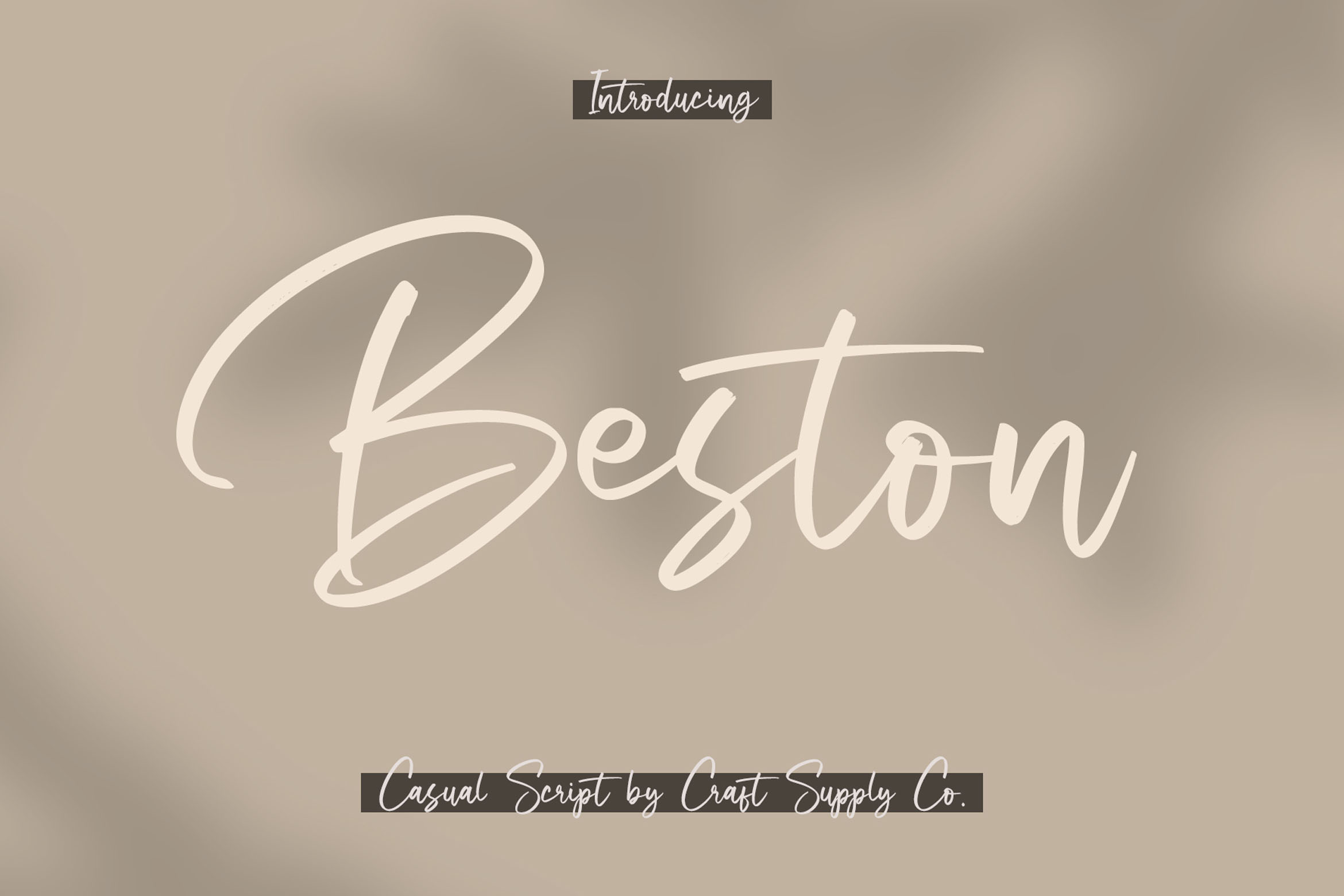
Beston Casual Script Font is worth exploring when you want the expressive quality of script lettering without making the design feel excessively formal. Casual scripts can create an approachable, relaxed atmosphere while still giving a project a distinctive typographic personality.
Try this font for café branding, lifestyle products, greeting cards, apparel graphics, and promotional content. It can also provide a useful accent in designs that combine photography with short handwritten style messages. Use a simple font for detailed information, and give the script enough space to remain clear and visually appealing.
How to Choose the Best Handwritten Fonts
Start by identifying the mood your project needs to communicate. A messy handwriting fonts can suggest spontaneity, while a modern script may feel more refined. A casual style can make a brand appear friendly, and a coordinated font duo can help create a flexible visual system. Choosing a font based on its intended purpose is more effective than selecting one based on appearance alone.
Next, consider where the lettering will appear. A font used for a large poster headline has different requirements from one used on a small product label or mobile screen. Test your chosen words at the final size and check whether the letterforms remain recognizable. If you plan to use the font for a logo, review how it performs across different applications, including packaging, websites, and printed materials.
Finally, evaluate how the font works with your other design elements. Consider the color palette, layout, imagery, and supporting typefaces as one visual system. A well chosen handwritten font should strengthen the design’s message and complement its overall style.
Tips for Using Handwritten Fonts in Design
- Use handwriting as an accent: Apply handwritten fonts to headlines, short phrases, signatures, or highlighted details rather than long blocks of text.
- Create typographic contrast: Pair expressive handwriting with a simple serif or sans-serif font for a clear visual hierarchy.
- Keep readability in mind: Test the actual words at their intended size, especially when using messy or highly decorative styles.
- Match the mood to the project: Choose casual lettering for friendly designs and graceful scripts for more refined applications.
- Maintain consistent styling: Use a limited selection of fonts and repeat colors and spacing rules across related designs.
- Check the final format: Preview your design on different screens and in print to ensure the lettering remains clear.
Common Mistakes to Avoid
One common mistake is using handwritten fonts for every part of a design. Although these typefaces can add personality, too much decorative lettering can make a layout difficult to scan. Reserve the most expressive style for the elements that need attention and use simpler typography for supporting information.
Another mistake is ignoring spacing and contrast. Connected scripts and irregular handwriting can become difficult to read when letters sit too close together or the background lacks sufficient contrast. Adjust the layout, test different sizes, and give the text enough room to stand out.
Designers should also avoid pairing multiple fonts that have nearly identical visual personalities without a clear reason. Instead, choose complementary styles that serve different roles. A distinctive handwritten headline combined with clean body text often creates a more balanced result than several competing decorative fonts.
Handwritten fonts recommendation offer a versatile way to make typography feel personal, expressive, and memorable. From casual handwriting and intentionally messy lettering to modern scripts and coordinated font duos, each style can support a different creative direction. The best choice depends on your message, audience, and the environment in which the lettering will appear.
Explore these 10 options from Craft Supply Co and experiment with different combinations, layouts, and applications. Prioritize readability, maintain a clear visual hierarchy, and choose a style that complements your project’s personality. With thoughtful typography, handwritten lettering can become a defining feature of your branding, stationery, packaging, and digital content.
For additional design inspiration and typography ideas, visit Craft Supply Co on Behance. Use these references as a starting point for developing a visual style that feels authentic, consistent, and uniquely suited to your next project.