
Choosing the right personal domain name is an important step toward building your online identity. Whether you want to launch a personal portfolio, create a professional website, start a blog, or establish yourself as a creator, your domain name helps people recognize and remember you. A thoughtful name can communicate your personality, highlight your expertise, and make your website feel more professional.
If you are searching for 30 personal domain name ideas, this list will help you explore options that feel memorable, creative, and versatile. From name based domains to personal branding concepts, these suggestions can inspire a website that reflects who you are and what you do.
Before choosing a domain, consider your long term goals. A name that works for a portfolio today should still suit you if your career, interests, or business direction changes. Keep it relatively short, easy to spell, and simple to share verbally. You should also check domain availability and relevant social media handles before committing to a final choice.
30 Personal Domain Name Ideas
Personal and Name Based Domains
Name based domains are ideal for professionals, freelancers, creators, and anyone who wants to build a recognizable personal brand. They make your website easy to associate with you and can remain relevant as your career develops.
- YourNameStudio.com — A creative option for designers, photographers, illustrators, and other visual professionals.
- ByYourName.com — A clean, flexible name for a personal portfolio, blog, or creator website.
- YourNameOnline.com — A straightforward choice for building a central home for your professional identity.
- HelloYourName.com — A friendly and approachable domain that suits personal blogs and creative portfolios.
- YourNameWorks.com — A professional option for showcasing projects, case studies, and selected achievements.
- YourNameJournal.com — A fitting choice for writers, storytellers, and people who enjoy sharing personal reflections.
Professional and Portfolio Domain Names
If you want your website to support your career, choose a domain that communicates your expertise without limiting your future opportunities. These ideas work well for consultants, independent professionals, and people building a portfolio.
- MadeByYou.com — A versatile name for makers, designers, artists, and independent creators.
- YourNamePortfolio.com — A descriptive option that clearly communicates the purpose of your website.
- ThePersonalEdit.com — A polished name for a curated portfolio, professional journal, or creative profile.
- StudioByYou.com — A contemporary option for freelancers who want their personal brand to feel like a creative studio.
- YourNameCreative.com — A flexible domain for professionals working across design, content, photography, and creative strategy.
- WorkWithYou.com — A client friendly name for consultants, coaches, and service providers.
Creative and Memorable Personal Domains
A creative domain can help your website stand out while expressing your personality. Consider these options if your online presence focuses on original work, personal projects, or a distinctive creative point of view.
- LittleByLittle.com — A thoughtful name for documenting personal growth, creative experiments, or ongoing projects.
- CuriousByNature.com — A memorable option for curious minds, multidisciplinary creators, and personal blogs.
- MadeOfIdeas.com — A playful domain for people who share concepts, experiments, and creative inspiration.
- NotesFromMe.com — A personal and conversational name for essays, newsletters, and reflective writing.
- TheOpenNotebook.com — A flexible choice for documenting ideas, learning journeys, and works in progress.
- BeyondTheBrief.com — A distinctive option for creative professionals who want to share their thinking beyond finished projects.
Personal Blog and Lifestyle Domains
If you plan to publish articles, share experiences, or document your interests, choose a domain that feels natural for regular storytelling. These names offer room to explore different topics while maintaining a personal tone.
- EverydayWithMe.com — An approachable domain for lifestyle content, routines, and personal experiences.
- MyQuietCorner.com — A calm, inviting name for reflective writing, reading, and slow-living content.
- LifeInDraft.com — A creative choice for a blog about growth, experiments, and ideas still taking shape.
- PagesOfToday.com — A versatile name for journaling, personal essays, and everyday observations.
- SomewherePersonal.com — An expressive option for a website built around individual interests and perspectives.
- NotesAlongTheWay.com — A fitting name for travel stories, personal development, and lessons learned over time.
Modern and Minimal Personal Domains
Minimal domain names are useful when you prefer a clean, contemporary identity. Short phrases and simple word combinations can look especially effective on business cards, portfolio headers, email signatures, and social media profiles.
- ItsJustMe.com — A simple, personable name for a website that brings together your interests and achievements.
- ByDesign.com — A polished concept for a design focused personal brand, subject to availability and suitability.
- PersonalForm.com — A modern option for a portfolio centered on design, craft, or creative practice.
- OwnYourStory.com — An expressive domain for a personal brand focused on experiences, expertise, and individual perspective.
- TrueToYou.com — A warm, adaptable name for creators and professionals who want an authentic online presence.
- SimplyPersonal.com — A clear and versatile option for a personal website, blog, or professional introduction.
How to Choose the Right Personal Domain Name
The best personal domain name balances clarity, memorability, and personal expression. It should help visitors understand what your website represents without making the name unnecessarily complicated. Use the following considerations to narrow down your options.
1. Decide What Your Website Should Communicate
Start by defining the purpose of your website. A professional portfolio may benefit from a name based domain, while a personal blog might suit a more expressive phrase. If you plan to use your website for several purposes, select a name broad enough to accommodate new projects and interests.
2. Keep It Simple and Easy to Remember
Short, familiar words are generally easier to type and share. Avoid complicated spellings, unnecessary numbers, and excessive punctuation. Say the name aloud to see whether another person could spell it after hearing it once. A domain that feels effortless to communicate can make networking and word of mouth referrals easier.
3. Think About Your Long Term Personal Brand
Your domain can become a consistent part of your professional identity. Consider how it will look on a resume, business card, portfolio presentation, or social profile. If you expect your work to evolve, avoid names that tie you too closely to a single temporary project or narrow service.
4. Check Availability and Potential Conflicts
Search for the domain through a registrar and review relevant social platforms to see whether the name is already in use. Also consider existing businesses and trademarks in your field. Domain registration alone does not guarantee that a name is legally available for every commercial purpose, so conduct appropriate checks before investing in a brand identity.
5. Create a Consistent Visual Identity
Your personal domain name is only one part of your online presence. Typography, color, imagery, and layout all influence how visitors perceive your website. A coordinated visual identity helps your portfolio or personal blog feel more credible and memorable, particularly when you use the same style across your website and professional profiles.
Font Alternatives for a Personal Website and Brand
Typography can give a personal website a distinctive voice. A refined serif may create an editorial and sophisticated impression, while a contemporary sans serif can make a portfolio feel clean and direct. Hand drawn lettering and stamped styles can introduce a more expressive character when used selectively. Explore the creative work and typography inspiration from Craft Supply Co to help shape your visual direction.
Here are ten font alternatives to consider for your website logo, portfolio headings, personal monogram, or supporting brand materials. Choose a typeface that complements your domain name and remains readable across desktop and mobile screens.
1. CS Ruthie Modern Serif Font

Consider CS Ruthie Modern Serif Font for a personal brand that needs a polished, editorial feel. A modern serif can work well for portfolio titles, personal introductions, and large website headings. Pair it with a simpler body font to keep longer passages comfortable to read.
2. CS Daphne Contemporary Font

CS Daphne Contemporary Font is an option to explore when you want a current, design conscious visual identity. It can help establish a consistent typographic direction across a website header, project titles, and selected brand graphics.
3. CS Gerda Elegant Serif Font

For a more sophisticated presentation, consider CS Gerda Elegant Serif Font. An elegant serif style can complement editorial portfolios, personal essays, photography websites, and professional profiles that benefit from a considered visual tone.
4. CS Bolgery Elegant Serif Font

CS Bolgery Elegant Serif Font is worth exploring for a personal identity that aims to feel refined and distinctive. Use it for prominent headings, a name based wordmark, or short statements that introduce your creative philosophy.
5. CS Armida Elegant Serif Font

CS Armida Elegant Serif Font offers another direction to consider for a sophisticated personal brand. It may suit creative professionals who want their website to feel carefully art directed, especially when paired with restrained colors and generous white space.
6. CS Charles Stamp

CS Charles Stamp can be explored for a more tactile, characterful brand treatment. A stamp inspired style may work well for a personal mark, project label, or graphic accent. Reserve expressive lettering for short text so that important information remains easy to read.
7. CS Riposte Drawn
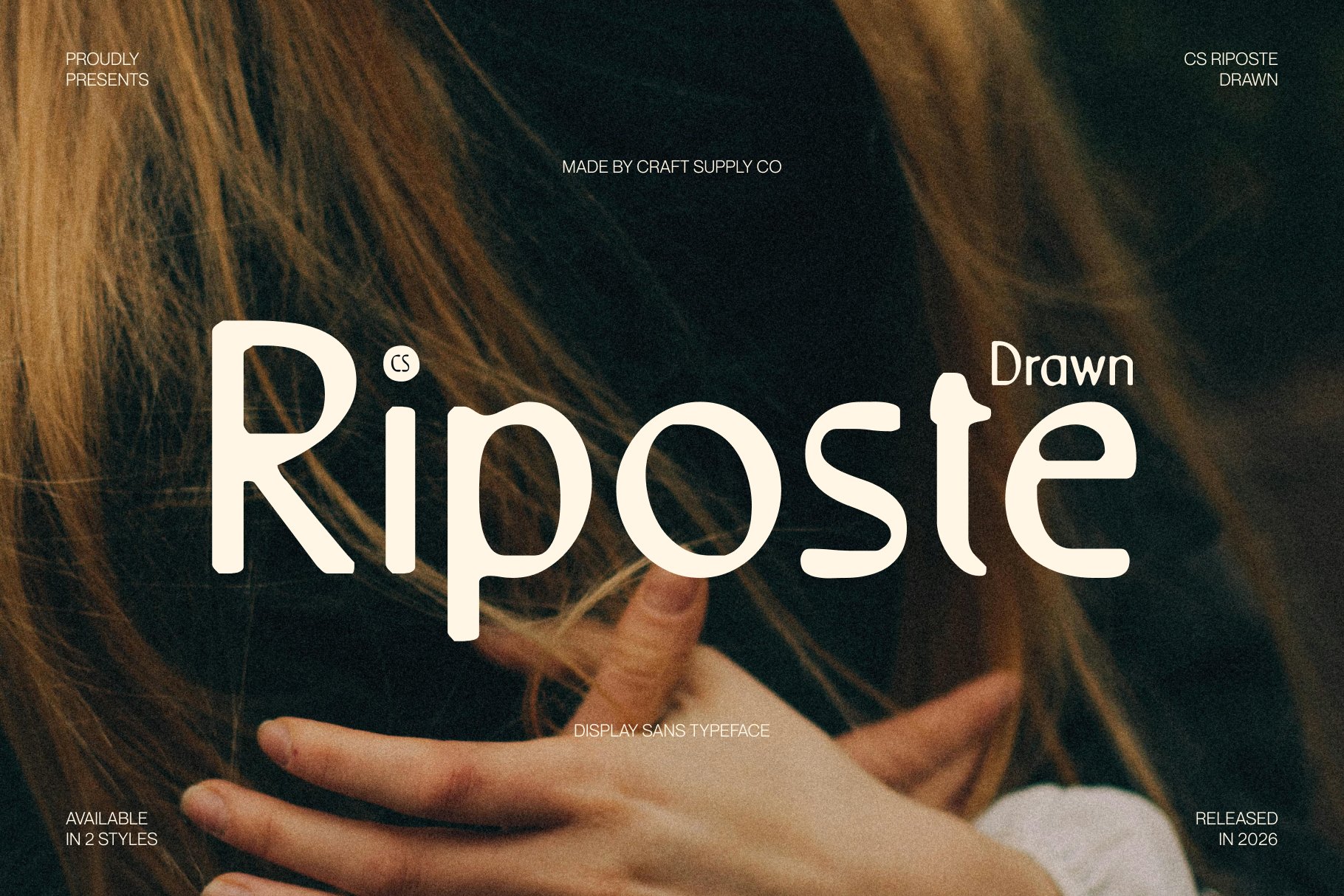
Consider CS Riposte Drawn if you want to investigate a drawn typographic direction. Expressive lettering can bring personality to a creative portfolio, independent publication, or personal project page. Use it selectively alongside a clear, functional text style.
8. CS Bruna Drawn
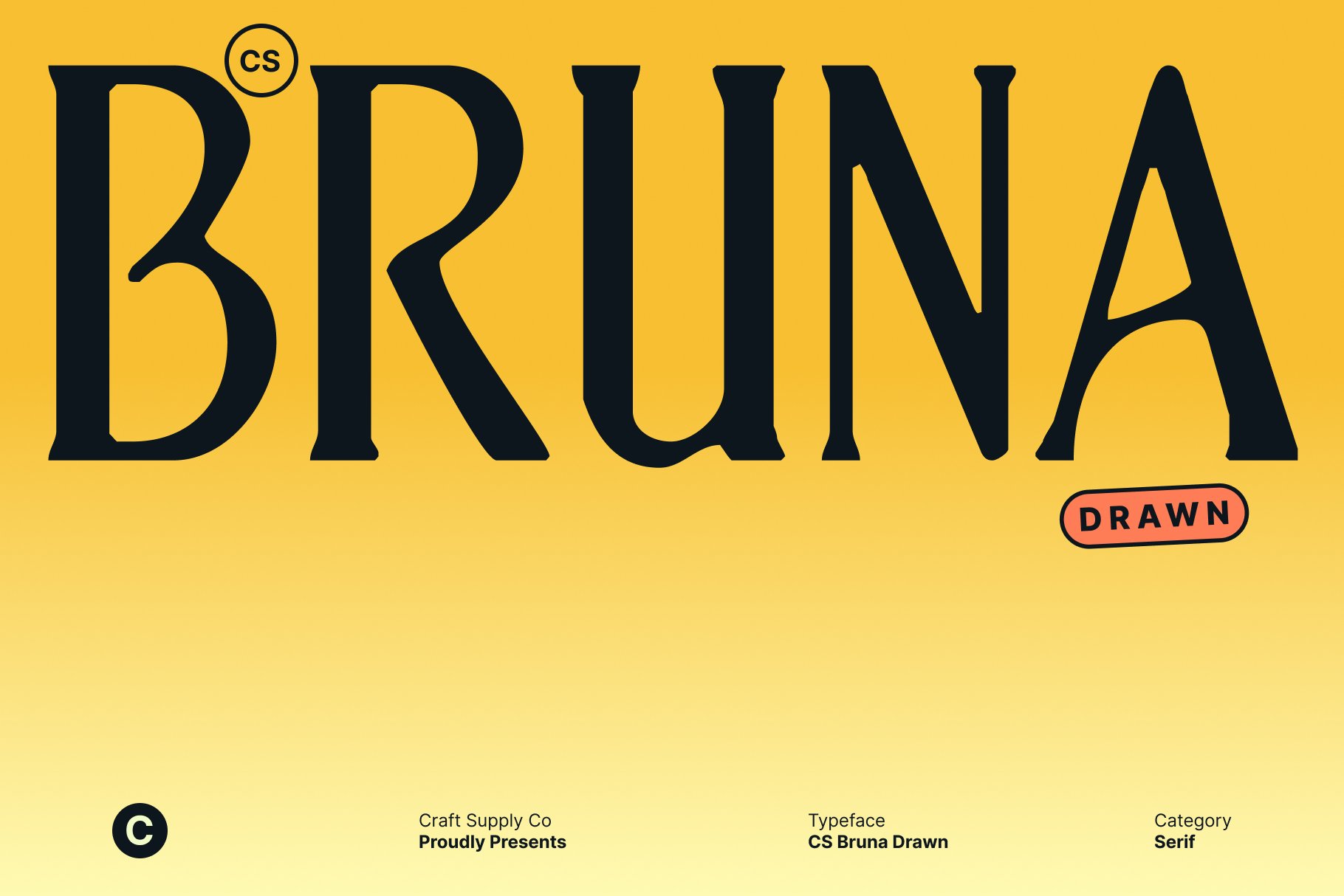
CS Bruna Drawn is another option for introducing a more individual visual touch. A drawn style can help distinguish a personal website from a conventional template, especially when applied to a logo, featured heading, or small set of graphic elements.
9. CS Riposte Modern Sans Serif
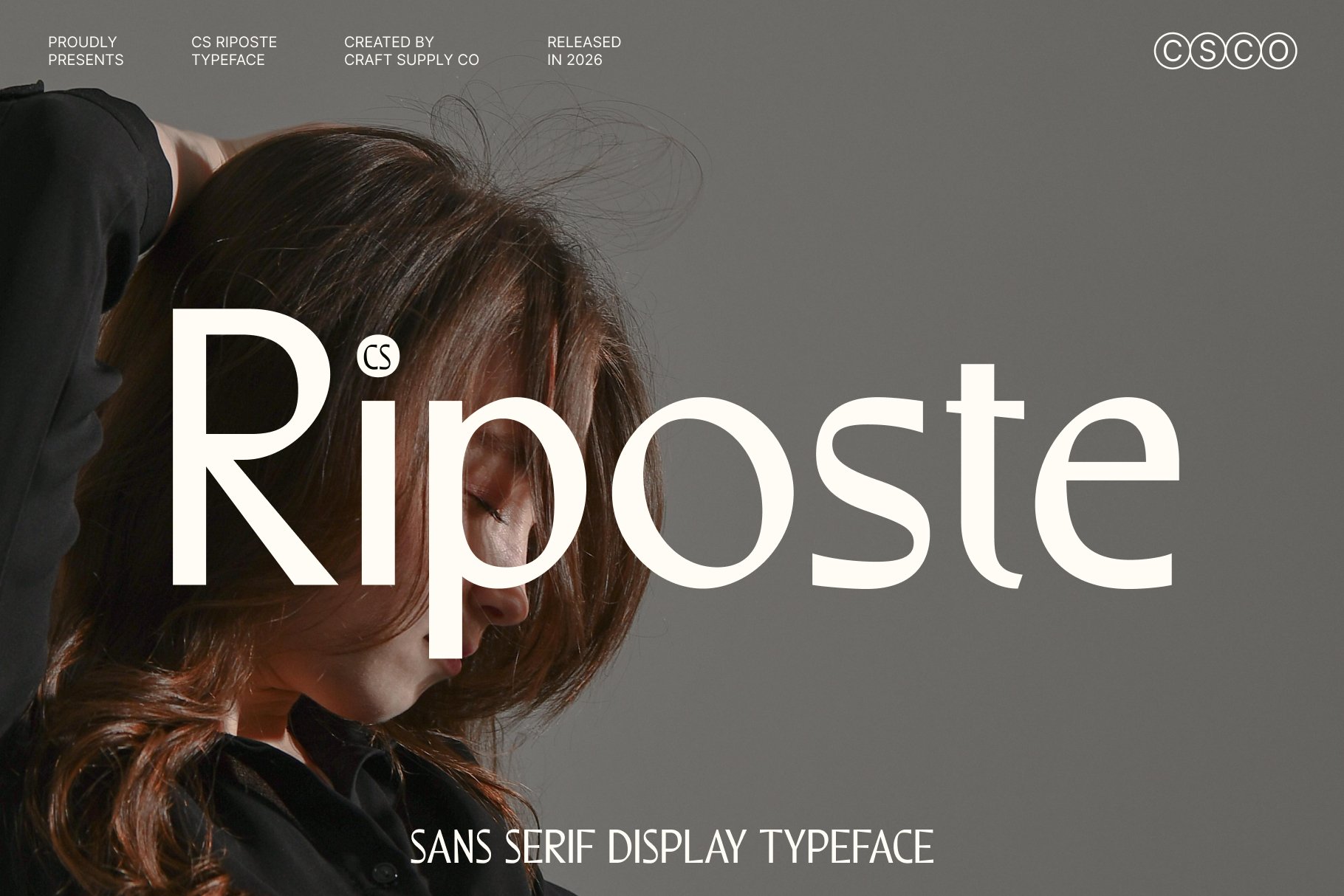
For a contemporary and straightforward direction, explore CS Riposte Modern Sans Serif. A modern sans serif can support clear navigation, project descriptions, and professional introductions. It is also a useful style to consider when your website contains a large amount of text.
10. CS Majora Drawn

CS Majora Drawn can be considered for a personal brand that benefits from expressive typography. Try it in a distinctive wordmark or selected visual accents, then balance it with a more neutral typeface for menus, captions, and supporting information.
Tips for Making Your Personal Domain Stand Out
- Use a recognizable naming pattern. Your name, creative specialty, or a memorable phrase can help visitors connect your website to your identity.
- Match the name to your audience. A professional portfolio may need a more direct domain, while a personal journal can support a warmer, more imaginative approach.
- Keep the website focused. Organize your homepage around a clear introduction, selected work, relevant experience, and a straightforward contact method.
- Use consistent typography. Choose a small set of complementary fonts and apply them consistently across headings, body text, and navigation.
- Make contact details easy to find. Visitors should be able to reach you without searching through multiple pages.
- Review your domain before registering it. Check spelling, pronunciation, availability, potential conflicts, and whether the name still suits your long term goals.
The right personal domain name gives your online presence a recognizable starting point. Whether you choose a name based address, a professional portfolio concept, a creative phrase, or a minimal domain, focus on finding something memorable and appropriate for your goals. Use these 30 personal domain name ideas as inspiration, then refine your shortlist by checking availability and considering how each name will support your identity over time.
Bring your domain to life with thoughtful typography, consistent design choices, and useful content. When your name, visual identity, and website experience work together, your personal website can become a valuable home for your work, ideas, and future opportunities. For more ideas when developing your website’s look and feel, browse the design work of Craft Supply Co. Before choosing a font, review its available characters, licensing terms, and intended use. A visually appealing typeface should also support the practical needs of your website.