
Tattoo fonts play an important role in turning words, names, dates, and meaningful phrases into memorable works of art. The right typography can make a tattoo feel bold, mysterious, elegant, rebellious, or deeply personal. From traditional blackletter designs to distressed lettering and vintage inspired styles, tattoo fonts offer countless ways to express individuality through letters.
Whether you are exploring lettering for your next tattoo, creating flash sheets, designing tattoo studio branding, or developing artwork inspired by tattoo culture, choosing the right font helps establish the entire visual direction. Some styles feature dramatic strokes and intricate shapes, while others use rough textures, stamped details, or stitched effects to create a more unconventional appearance.
In this guide, we explore 10 tattoo fonts from Craft Supply Co that can inspire distinctive lettering for body art, merchandise, posters, and other creative projects. Each option offers a different visual direction, helping you find typography that fits your concept and intended audience.
What Makes a Good Tattoo Font?
A good tattoo fonts combines visual personality with readability. The lettering should complement the meaning of the words while remaining suitable for the size and placement of the design. Bold, decorative typefaces can create a striking focal point, while textured fonts introduce an aged, handcrafted, or rebellious character.
Blackletter fonts are popular choices for lettering influenced by traditional tattoo culture, gothic artwork, and vintage graphics. Distressed and stippled styles can add a rough, weathered appearance, while stitched and stamped designs bring a tactile quality to digital artwork. Each style serves a different purpose, so consider the overall mood before making a selection.
For an actual tattoo, remember that the font preview is only one part of the decision. Letter spacing, line thickness, final dimensions, skin placement, and the tattoo artist’s technique all affect the finished result. Highly detailed lettering may need adjustments to remain legible over time.
10 Tattoo Fonts to Explore for Your Next Design
1. CS Rebelion Stippled

If you want tattoo lettering with a rough, expressive character, CS Rebelion Stippled is a compelling style to explore. Its stippled treatment suggests a textured finish that can give typography a gritty, imperfect appearance. This direction works well for designs inspired by underground art, alternative fashion, vintage printmaking, and rebellious visual identities.
Consider this font for tattoo inspired posters, apparel graphics, flash-sheet headings, or short phrases that need a distressed visual treatment. The texture can also help create contrast when paired with simpler supporting typography. For a tattoo concept, preview the lettering at the intended size and simplify any details that could become difficult to reproduce.
2. CS Hastings Stitched

CS Hastings Stitched offers a different approach to tattoo inspired typography through its stitched visual treatment. Stitched lettering can evoke handmade craftsmanship, patched garments, vintage workwear, and traditional decorative details. This makes it a useful option for designs that need character without relying entirely on a conventional blackletter aesthetic.
Use this style for creative projects that combine tattoo culture with embroidery inspired graphics, custom merchandise, or heritage themed branding. It can also complement illustrations of roses, daggers, hearts, and other traditional tattoo motifs. Keep the surrounding composition relatively simple so the lettering remains the main point of interest.
3. CS Hastings Stippled

For projects that need a worn or textured appearance, CS Hastings Stippled provides another direction to consider. Stippled typography can suggest ink variation, aged printing, and handmade imperfections. These qualities make it suitable for artwork influenced by vintage tattoo flash, old posters, and distressed graphic design.
This font may work especially well for short tattoo inspired statements, editorial headlines, and merchandise designs. Pair it with clean sans serif lettering when you need a supporting label or secondary message. The contrast between textured display text and straightforward body copy can make the composition feel more intentional.
4. CS Densmore Stippled

CS Densmore Stippled is another option for designers who want texture to play a visible role in their lettering. A stippled treatment can introduce depth and a slightly weathered quality, helping typography feel less digitally perfect. This approach suits designs that draw from vintage graphics, alternative culture, and rugged visual themes.
Try using this font for prominent words on posters, tattoo studio promotional materials, album artwork, or clothing graphics. It can help establish a strong visual hierarchy when the main lettering needs to stand apart from smaller details. For the best result, avoid surrounding the font with too many competing textures.
5. CS Baxter Stamp
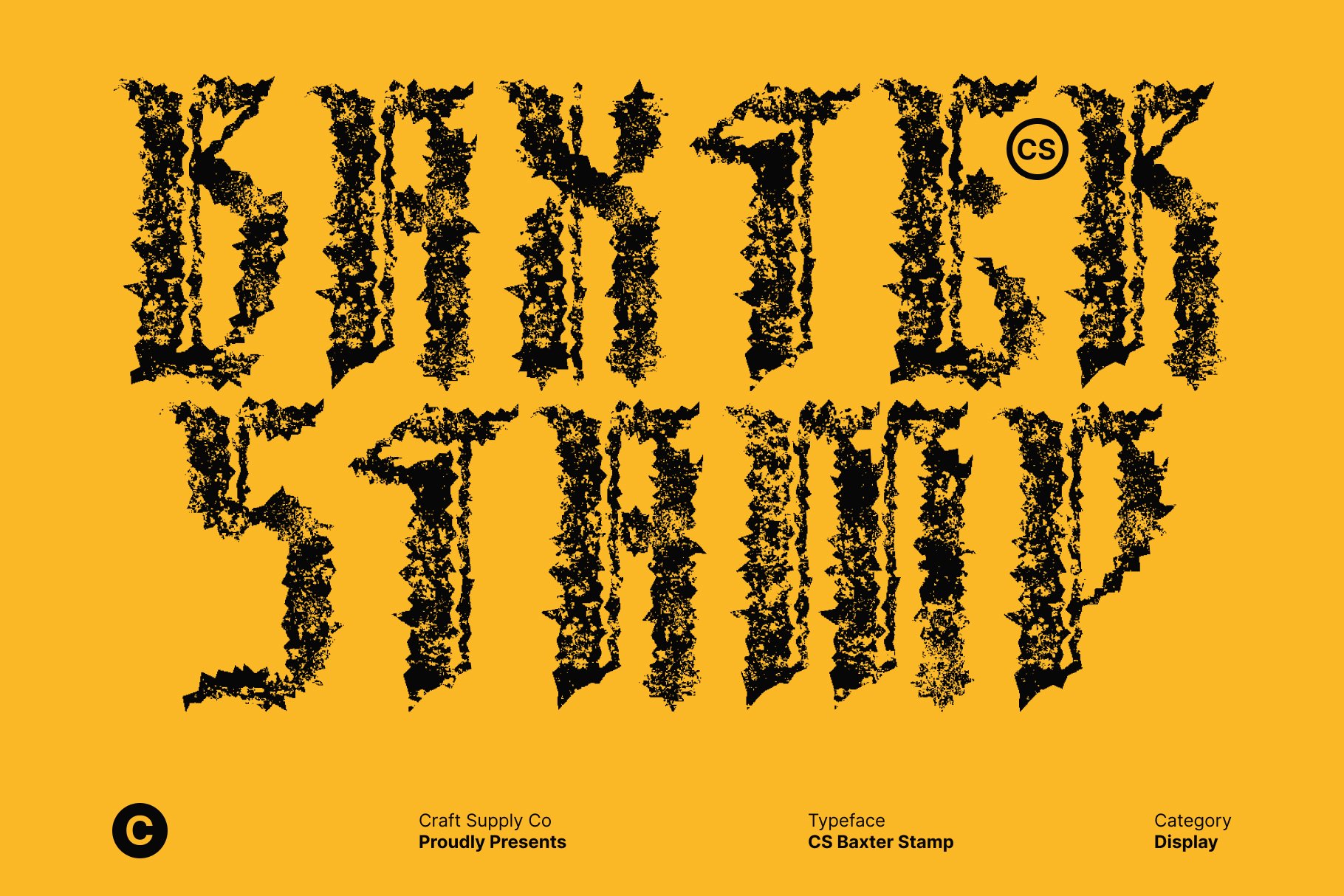
CS Baxter Stamp is worth considering when you want tattoo inspired typography with a stamped or printed character. Stamp style lettering often recalls old packaging, vintage labels, workshop marks, and archival graphics. That aesthetic can bring a sense of history to a contemporary design.
This font can suit traditional tattoo inspired merchandise, retro posters, packaging, and graphic compositions built around short words or initials. Combine it with simple illustrations and restrained colors to keep the overall result cohesive. It can also serve as a secondary style alongside more decorative lettering, creating a visual distinction between a headline and supporting information.
6. CS Morbid Black Metal Font

For a darker visual direction, CS Morbid Black Metal Font is a natural option to explore. Black metal typography is associated with extreme music, gothic imagery, dramatic lettering, and intentionally intense graphic compositions. Its aesthetic is especially relevant to tattoo concepts influenced by dark art and underground subcultures.
Use this style for statement graphics, dark themed posters, band merchandise, or tattoo inspired artwork that calls for an aggressive atmosphere. It can work alongside skulls, thorny branches, abstract ornaments, and other dark illustrative elements. Because highly expressive lettering can be difficult to read, reserve it for short phrases or prominent display text rather than long passages.
7. CS Hastings Blackletter Font

Blackletter remains one of the most recognizable directions in tattoo lettering. CS Hastings Blackletter Font is an option for designs that draw on historic letterforms and bold, decorative typography. Blackletter inspired styles can communicate tradition, strength, heritage, or a dramatic sense of identity, depending on the surrounding artwork.
Consider this font for names, initials, meaningful words, and short phrases in tattoo inspired compositions. It can also suit apparel graphics, logos, and editorial layouts that reference traditional tattoo culture. To maintain clarity, pay attention to the spacing between letters and avoid combining too many ornate elements in the same design.
8. CS Densmore Chicano Graffiti Font

CS Densmore Chicano Graffiti Font offers a direction for designs inspired by street lettering and Chicano influenced visual culture. Graffiti inspired typography can bring movement, attitude, and a strong sense of personal expression to a composition. It can be useful when you want a design that feels urban rather than traditional or gothic.
Explore this font for custom lettering concepts, streetwear graphics, posters, and tattoo inspired artwork that combines typography with illustrative details. Think carefully about the relationship between the lettering and its imagery so the design feels cohesive. If your concept draws from a specific cultural tradition, approach its visual references thoughtfully and avoid treating meaningful cultural symbols as generic decoration.
9. CS Baxter Blackletter Font
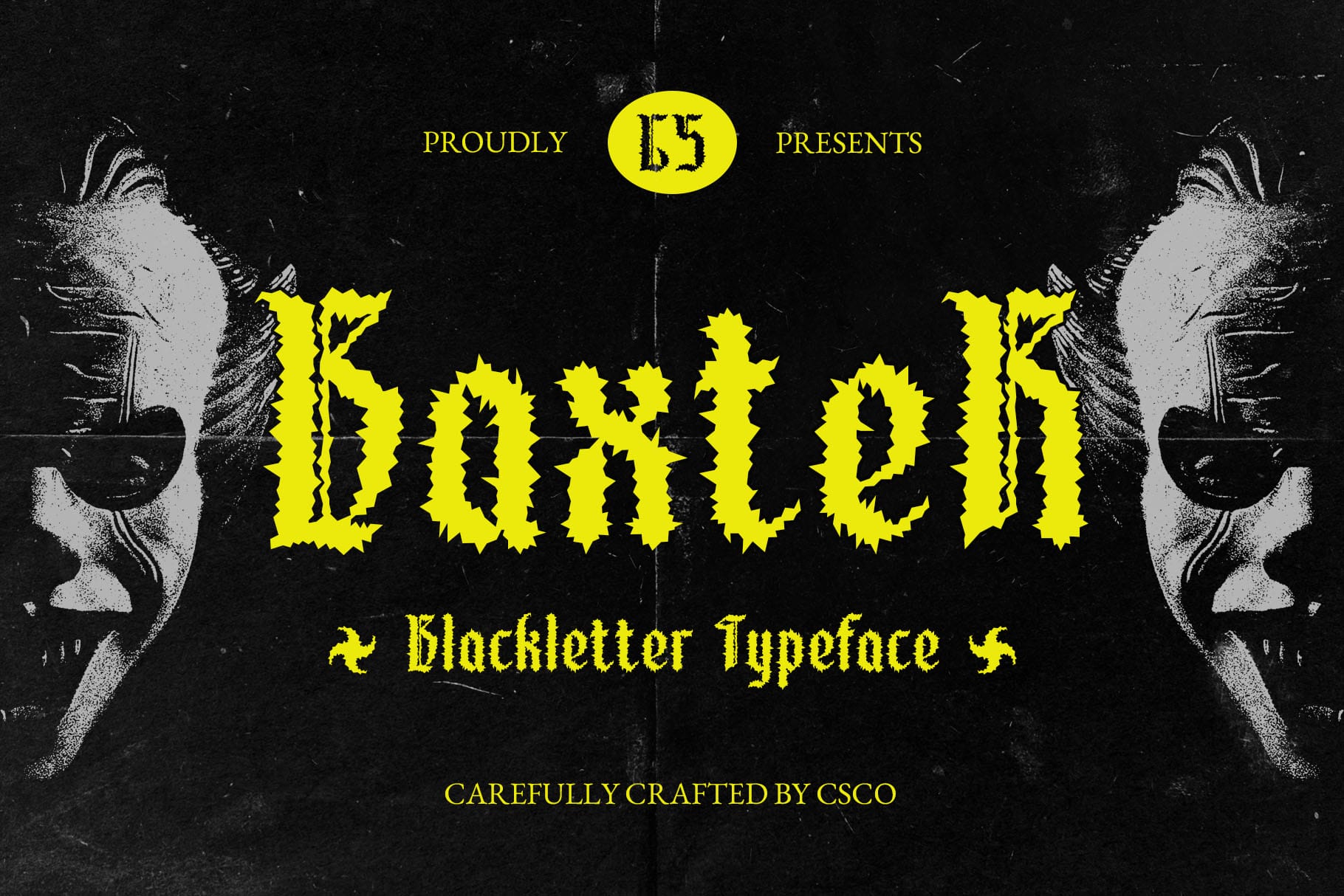
CS Baxter Blackletter Font provides another blackletter option for designers who want strong, traditional looking typography. Although blackletter styles share historical roots, individual typefaces can create different impressions through their letter shapes, proportions, and overall rhythm. Comparing multiple options can help you find the one that best supports your concept.
Use this font for tattoo inspired wordmarks, decorative initials, short quotations, or lettering that needs a prominent place in the composition. It can also work for event posters and clothing designs that combine vintage references with contemporary layouts. Test the font in uppercase and lowercase where available, because letter case can significantly change the appearance of a design.
10. CS Rebelion Stitched

CS Rebelion Stitched rounds out this selection with a stitched treatment that offers an alternative to distressed and blackletter styles. Its visual direction can support designs that feel handmade, unconventional, or inspired by customized garments and patches. This makes it an interesting option for creative work that sits between tattoo culture and alternative fashion.
Try it for merchandise graphics, patch inspired artwork, promotional materials, and tattoo concepts that need a distinctive surface treatment. It may also work as a contrasting element in a layout that combines rough illustrations with more restrained typography. As with any decorative font, use it where its visual character can be appreciated without overwhelming the entire composition.
How to Choose the Right Tattoo Font
Start by identifying the mood you want your lettering to communicate. A traditional or heritage inspired concept may benefit from blackletter typography, while a dark, aggressive design might call for black metal lettering. Stippled styles can create a distressed impression, and stitched or stamped treatments can introduce a handmade or vintage quality.
Next, consider the words themselves. Names, dates, initials, and short phrases give decorative fonts room to stand out. Longer quotations require extra attention to readability, line breaks, and spacing. A visually impressive font may not be the best choice if its letterforms become difficult to distinguish when reduced in size.
Finally, test the font in the actual composition rather than judging it only from a specimen. Add the intended words, adjust the spacing, and view the result at the expected dimensions. If you are preparing artwork for a real tattoo, discuss the design with a professional tattoo artist before finalizing the lettering.
Tips for Creating Better Tattoo Lettering Designs
- Prioritize legibility: Choose letterforms that remain recognizable at the final size, especially for names and meaningful phrases.
- Match the style to the message: Use blackletter for traditional or dramatic concepts, textured lettering for a worn effect, and graffiti inspired styles for urban compositions.
- Keep decorative details balanced: Roses, skulls, daggers, ornamental frames, and other motifs can support the lettering, but too many details may compete for attention.
- Check spacing carefully: Tight letter spacing can make elaborate fonts difficult to read, while excessive spacing may weaken the overall shape of the word.
- Consider placement: A design intended for a small area may require simpler lettering than a larger piece.
- Review the final artwork: Test different sizes and ask a professional tattoo artist to assess whether the design can translate effectively onto skin.
Common Mistakes to Avoid When Using Tattoo Fonts
One common mistake is choosing a font solely because it looks dramatic in a preview. Intricate letterforms and heavy textures may lose clarity when scaled down, so always test the actual wording before committing to a design. Another mistake is mixing several decorative fonts without establishing a clear hierarchy. One dominant typeface and a simpler supporting style often create a more cohesive result.
It is also important to avoid copying another artist’s finished tattoo design without permission. Use typography as a starting point for original artwork, and customize the layout, supporting imagery, and overall composition to fit your own concept. If the design will become a permanent tattoo, collaborate with an experienced artist who can adapt the lettering to your chosen placement. For more visual inspiration and creative typography projects, explore Craft Supply Co on Behance.