
A flower font can bring a natural, romantic, and artistic feeling to your design. Whether you are creating wedding invitations, floral business branding, greeting cards, packaging, or botanical inspired social media graphics, the right typography helps communicate the mood of your project. Floral typography can feel delicate and elegant, playful and colorful, or decorative and vintage, depending on the font style you choose.
Flower inspired design is not limited to typefaces with literal flower illustrations. You can create a floral aesthetic by combining decorative lettering, elegant serif fonts, hand drawn styles, and botanical artwork. The result can feel fresh and expressive while remaining readable and suitable for your audience.
In this guide, we explore what makes a good flower font, how to choose floral typography for different projects, and 10 creative flower font alternatives from Craft Supply Co that you can consider for your next design.
What Is a Flower Font ?
A flower font is a typeface or typographic style used to create a floral, botanical, romantic, or nature inspired visual mood. Some floral fonts incorporate flower illustrations or decorative details directly into their letterforms, while others achieve the look through elegant curves, ornamental shapes, or hand drawn characteristics.
Designers use flower fonts for wedding stationery, flower shop logos, botanical packaging, greeting cards, event invitations, beauty branding, and editorial layouts. The style can range from delicate and sophisticated to bold and experimental.
You can also create a floral typography composition by pairing a simple font with illustrated flowers, leaves, vines, or botanical borders. This approach gives you flexibility because the lettering remains readable while the illustrations establish the floral theme.
What Makes a Good Floral Font?
Decorative Details
Ornamental shapes, expressive curves, and distinctive letterforms can help establish a floral atmosphere. Decorative typography works especially well for short headlines, brand names, and invitation titles where the lettering can become a visual feature.
A Natural and Elegant Feeling
Many floral designs benefit from typography that feels organic rather than overly rigid. Elegant serifs, hand drawn lettering, and art inspired display fonts can complement botanical illustrations and nature inspired color palettes.
Readability
A beautiful flower font should still communicate your message clearly. Use highly decorative styles for headlines and short phrases, then choose a simpler typeface for addresses, product information, descriptions, and other details that readers need to understand quickly.
Versatility
The most useful font choice depends on where you plan to use it. A wedding invitation may call for delicate and romantic typography, while a contemporary flower shop might benefit from a more distinctive display style. Consider how the font will work across printed materials, packaging, websites, and social media.
10 Flower Font Alternatives for Your Design
If you are searching for a flower font or a typeface that complements botanical artwork, these 10 options from Craft Supply Co offer different creative directions. Explore each style in a sample layout to determine whether it suits your project’s personality, audience, and visual identity.
1. CS Admire Stitched

CS Admire Stitched is an option to explore when you want typography with a crafted, decorative direction. Its name suggests a stitched visual approach, which may be worth testing in designs that combine lettering with handmade details, fabric inspired textures, or illustrated botanical elements.
Consider using it for floral greeting cards, creative packaging, craft market materials, or a flower themed stationery collection. Pair the lettering with simple line drawings of flowers and leaves to build a cohesive composition. Keep supporting text in a clean typeface so the decorative treatment remains the focal point.
2. CS Regina Stamp

CS Regina Stamp is worth considering for floral designs that need a textured or stamp inspired visual direction. This style may work well in vintage inspired stationery, flower market graphics, botanical labels, or handmade packaging concepts.
To develop a cohesive floral look, combine the typography with muted colors, paper textures, and botanical illustrations. A restrained palette of cream, sage, dusty rose, or warm brown can help create a natural mood. Test the font at different sizes to make sure the lettering remains legible in both digital and printed applications.
3. CS Chako Stamp

CS Chako Stamp offers another option for experimenting with stamp inspired typography. Consider it for flower shop labels, botanical product packaging, event stationery, and promotional graphics that benefit from a tactile, handmade appearance.
You can use the font in a logo concept or as a headline on a floral poster. Pair it with delicate flower illustrations or simple geometric shapes to balance the texture. When creating a larger branding system, establish consistent rules for colors, spacing, and supporting type so each design feels connected.
4. CS Roche Disco
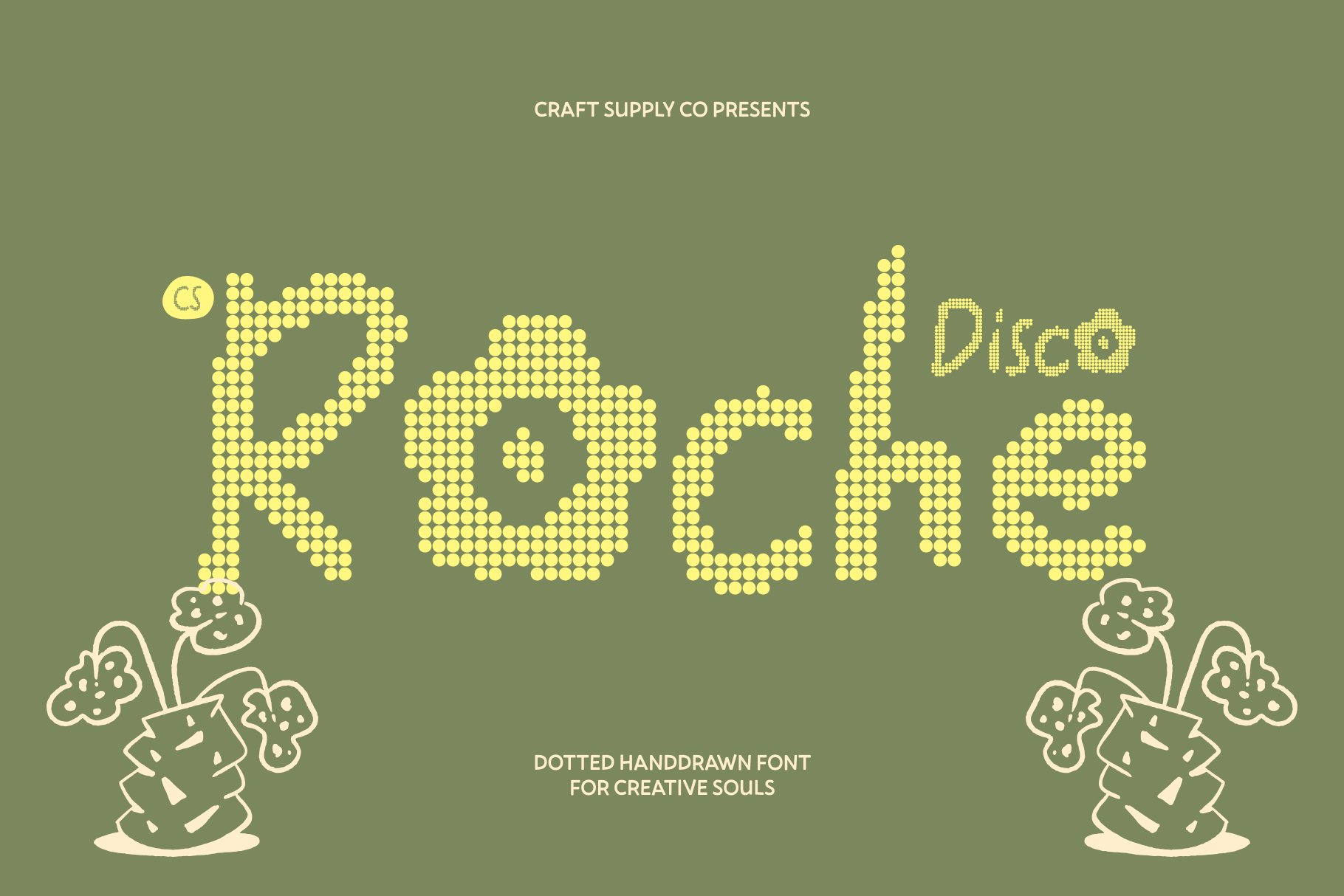
CS Roche Disco provides a different creative direction for designers who want to move beyond traditional romantic floral typography. Explore it in expressive flower themed posters, contemporary event graphics, or experimental branding concepts where the typography is intended to make a statement.
Try combining the font with oversized flower photography, bold color blocks, or abstract botanical shapes. This approach can help create a modern floral aesthetic rather than a conventional garden inspired look. Keep the main message concise and let the contrast between typography and imagery give the composition its energy.
5. CS Visery Drawn Font

CS Visery Drawn Font is an option to investigate for floral designs that benefit from a drawn or illustrated visual character. Consider testing it in greeting cards, botanical journals, flower shop promotions, or personalized stationery.
Hand drawn typography can work particularly well with imperfect lines, pressed flower imagery, and sketchbook inspired compositions. For a balanced design, use the font for the main title and a straightforward sans serif for supporting information. This creates a visual distinction between the expressive headline and practical details.
6. Covalie Floral Elegance Serif

Covalie Floral Elegance Serif is a natural candidate to explore when you want a floral direction with an elegant, serif based appearance. Consider it for wedding invitations, premium flower shop branding, event menus, botanical stationery, or packaging for floral gifts.
For a refined composition, combine the font with generous white space, soft neutral colors, and subtle botanical illustrations. A simple supporting typeface can complement the main lettering without competing for attention. This approach is especially useful when the design needs to feel polished while retaining a connection to nature.
7. CS Chako Art Nouveau Font
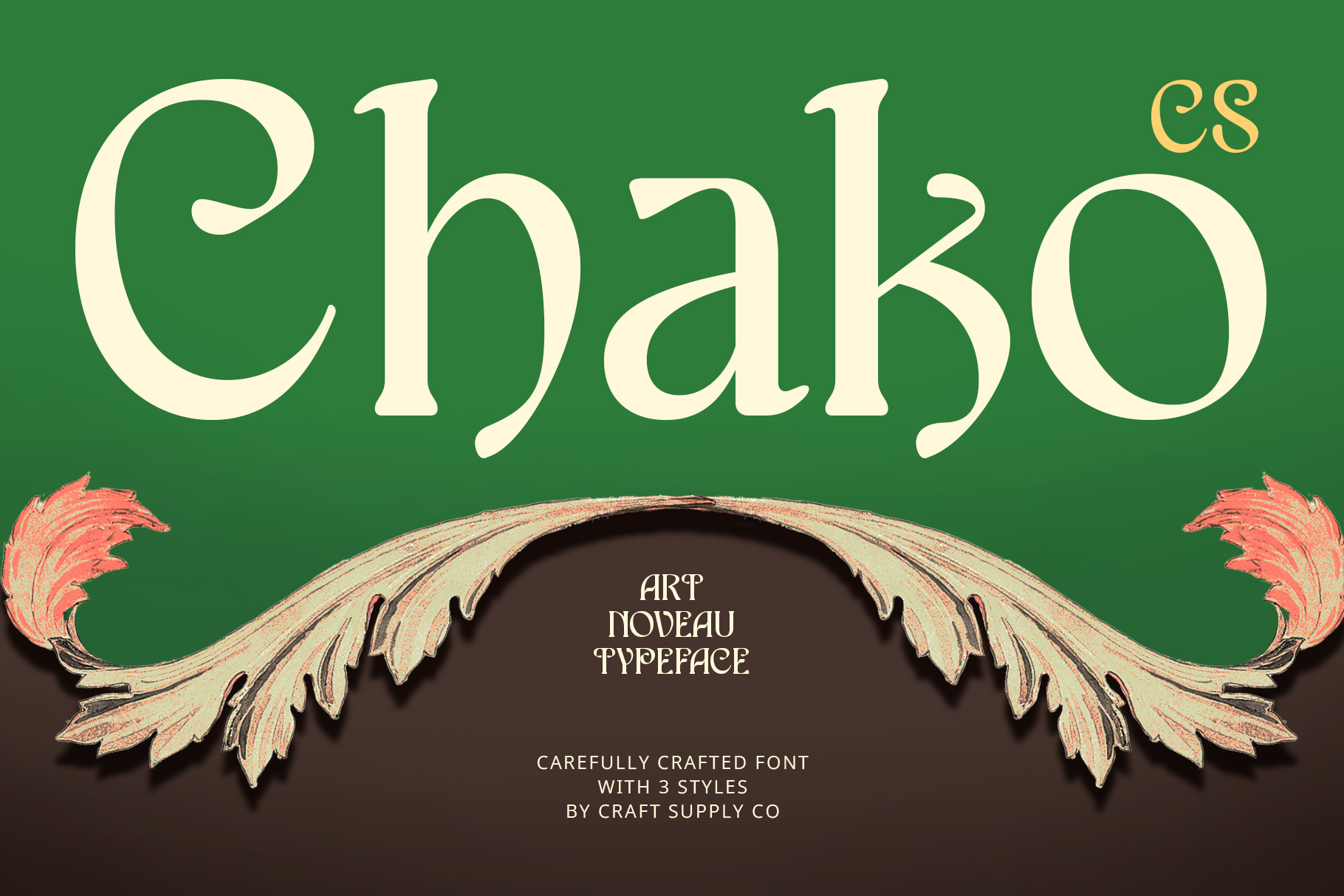
CS Chako Art Nouveau Font is worth exploring for floral projects inspired by ornamental design and decorative composition. Art Nouveau is widely associated with flowing lines, stylized natural forms, and elaborate ornament, making this direction relevant to botanical posters, vintage inspired invitations, and artistic brand identities.
Pair the typography with curved stems, flower motifs, decorative frames, or flowing borders. Avoid crowding every part of the layout with ornament. Instead, create a clear focal point and use decorative details to guide the viewer’s attention toward the headline or brand name.
8. CS Roche Pixel
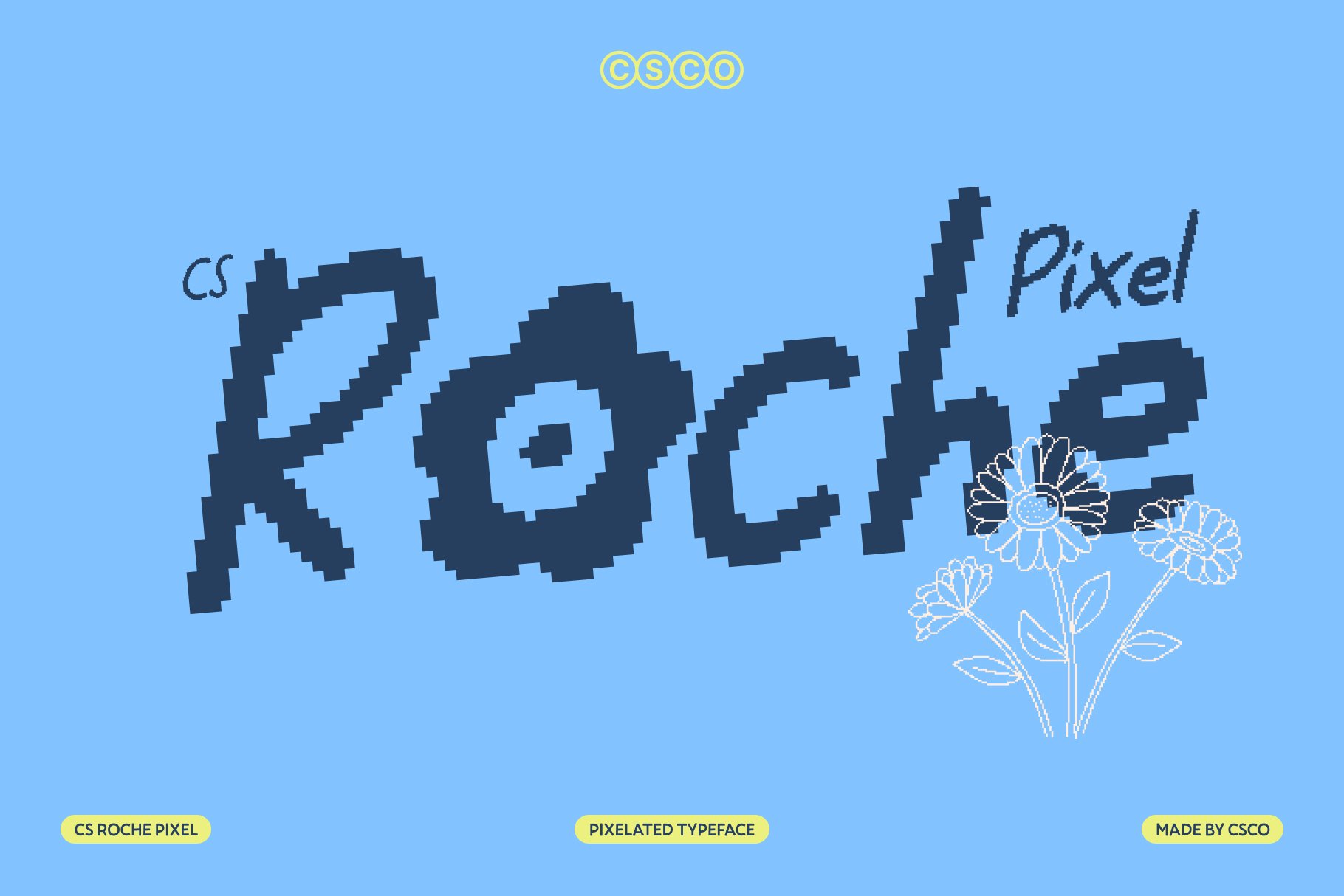
CS Roche Pixel offers a more digital and experimental direction for flower themed typography. It may suit contemporary floral graphics, digital art projects, creative social media posts, or designs that mix botanical imagery with technology inspired visuals.
For an unexpected flower font concept, combine pixel inspired typography with close up flower photography, simplified floral icons, or a limited color palette. The contrast between organic forms and digital styling can help a design feel distinctive. Use a clear supporting font for longer text to maintain readability.
9. CS Barton Playful Marker Font

CS Barton Playful Marker Font is an option to consider for casual, expressive floral designs. A marker inspired style can complement cheerful flower illustrations, colorful greeting cards, craft projects, and informal flower market promotions.
Try it with hand drawn daisies, simple leaf shapes, bright colors, or playful decorative accents. It can be useful when you want your floral design to feel approachable rather than formal. Keep the composition organized by limiting the number of competing fonts and giving the main greeting enough room to stand out.
10. CS Regina Art Nouveau Font

CS Regina Art Nouveau Font is another direction to explore for ornamental floral typography. It may be worth testing in vintage inspired flower shop branding, decorative posters, wedding stationery, and editorial layouts that feature botanical themes.
Combine the font with flowing botanical line art, elegant borders, or a restrained palette inspired by gardens and natural materials. For a consistent design system, repeat selected motifs across business cards, packaging, labels, and promotional materials. This helps create a recognizable visual identity without requiring every piece to use the same composition.
How to Choose the Right Flower Font
Start by deciding what kind of floral atmosphere you want to create. Romantic, vintage, modern, playful, and artistic designs each call for different typographic choices. Collect a few visual references and identify the qualities they share before choosing your font.
If your design includes detailed flowers, leaves, and decorative borders, choose typography that complements rather than competes with those elements. An elaborate display font may work well with a minimal botanical illustration, while a simpler font can balance a more detailed floral composition.
Color can strengthen the relationship between typography and floral imagery. Soft pinks, cream, and sage often create a gentle botanical mood, while dark green, burgundy, and warm neutrals can feel more traditional or sophisticated. For a contemporary approach, consider a limited palette with one unexpected accent color.
A decorative flower font can make an effective headline, but long passages need clear and readable typography. Pair your display font with a simple sans serif or restrained serif for descriptions, addresses, product details, and other supporting text.
For more creative ideas, explore the portfolio of Craft Supply Co. Reviewing different visual identity projects can help you see how typography, imagery, and color work together to create a distinctive design language.
Where Can You Use Flower Font ?
- Flower shop branding: Create distinctive logos, packaging, business cards, and promotional materials.
- Wedding invitations: Build romantic stationery with elegant lettering and botanical illustrations.
- Greeting cards: Add personality to birthday cards, thank you notes, and seasonal greetings.
- Product packaging: Give candles, soaps, stationery, and floral gifts a recognizable visual identity.
- Botanical posters: Combine decorative headlines with flower illustrations or photography.
- Social media graphics: Create engaging posts for florists, garden businesses, and creative brands.
- Journals and scrapbooks: Pair expressive lettering with pressed flowers, sketches, and personal notes.
Explore the 10 flower font alternatives in this guide and test each one with your preferred colors, illustrations, and layout. Combine expressive lettering with thoughtful spacing and a complementary supporting font to create a balanced result. Remember that a successful floral design does not need to be complicated; a clear headline and a few well chosen botanical details can make a strong impression.
For more typography inspiration and creative resources, visit Craft Supply Co. With the right font and a cohesive visual direction, you can create floral designs that feel memorable, intentional, and suited to your audience.